
Market Report · July 22, 2026

Key data points: The growth forecast = 3.8% annually for the next 7 years. Scroll below to get more insights. This market report covers trends, opportunities and forecasts in sodium alginate market to 2031 by form (powder, granules, and liquid), application (food, pharmaceuticals, cosmetics, textiles, others), end use (food processing, personal care products, medical devices, and others), and region (North America, Europe, Asia Pacific, and the Rest of the World)
We'll send your sample report shortly.
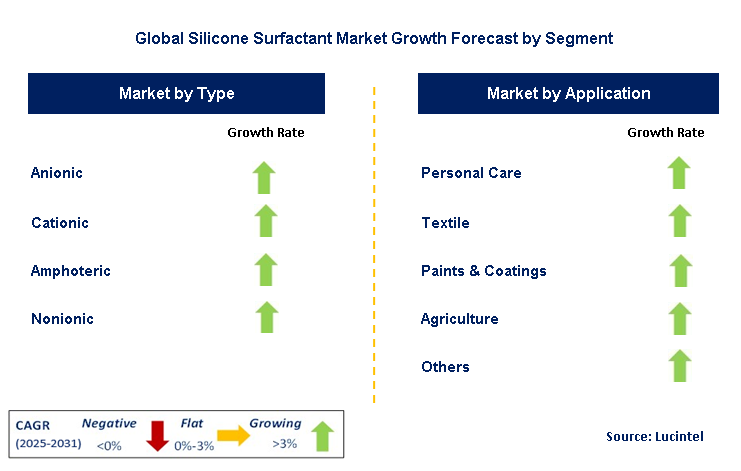
• Lucintel forecasts that, within the form category, powder is expected to witness the highest growth over the forecast period.
• Within the end use category, food processing is expected to witness the highest growth.
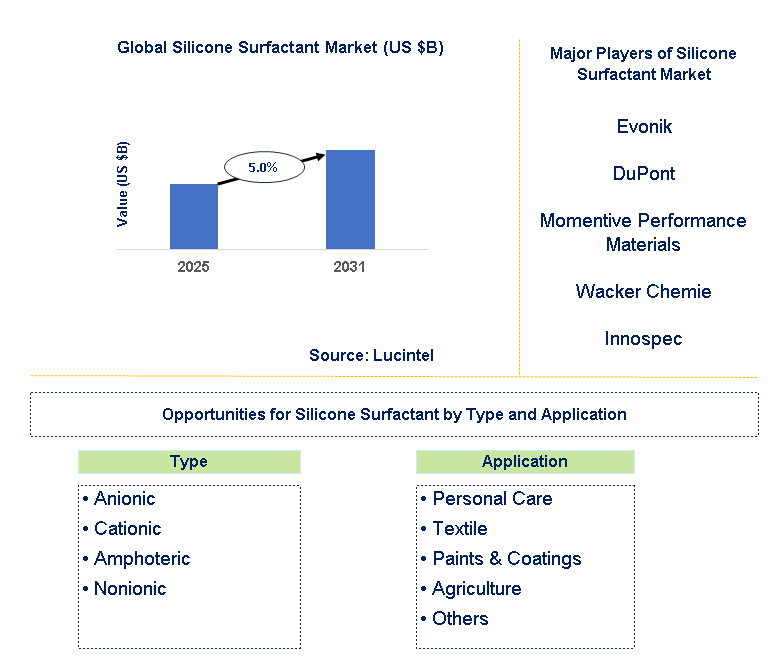
• In terms of region, APAC is expected to witness the highest growth over the forecast period. Gain valuable insights for your business decisions with our comprehensive 150+ page report. Sample figures with some insights are shown below.
• Growing Demand for Natural and Clean-Label Ingredients: This is a compelling trend as consumers around the world are increasingly demanding foods, cosmetics, and pharmaceuticals that have clear ingredients and few artificial additives. Sodium alginate from brown seaweed is a perfect fit for this "clean label" phenomenon. Its natural origin and broad range of functional uses make it a desirable replacement for synthetic thickeners, stabilizers, and gelling agents, fueling its use in various industries.
• Expansion in Pharmaceutical and Biomedical Applications: Sodium alginate‘s biocompatibility, biodegradability, and ability to form stable gels under mild conditions are fueling its growing use in pharmaceuticals and biomedical fields. Emerging trends include its application in controlled drug release systems, advanced wound dressings (e.g., alginate fibers for wound healing), tissue engineering scaffolds, and cell encapsulation technologies. This expansion is driven by ongoing research and the pursuit of innovative medical solutions.
• Plant-Based Food and Beverages Alternatives Growth: The global surge in vegetarian, vegan, and flexitarian diets is a significant trend driving the sodium alginate market. It is increasingly used as a gelling agent, thickener, and stabilizer in plant-based meat substitutes, dairy alternatives (e.g., vegan yogurts, cheeses), and other innovative food products. Its ability to mimic textures and provide stability without animal-derived ingredients makes it a crucial component in this rapidly expanding sector.
• Emphasis on Sustainable Sourcing and Production: With increasing environmental awareness, there is a trend towards sustainably produced and sourced sodium alginate. This entails seaweed harvesting done in a sustainable manner that does not harm marine ecosystems and using environment-friendly extraction procedures. Brands are investing in certifications and traceability to ensure that consumers know their products are sustainable, building brand image and responding to the needs of green consumers.
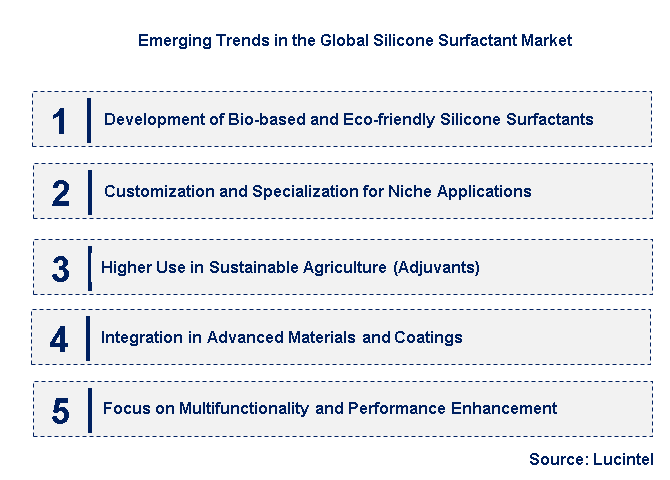
• Innovation in Textile Printing and Industrial Applications: Aside from its historical applications, sodium alginate is experiencing a renaissance in industrial uses, most notably in the use for textile printing. The direction is for it to be employed as a green thickening agent for print paste, providing sharper prints, improved color strength, and minimizing the environmental footprint over synthetic equivalents. Its application to paper production for surface sizing and coating purposes is also gaining usage, as part of a larger industrial move towards more sustainable materials. These emerging trends are profoundly reshaping the sodium alginate market by driving innovation towards more natural, sustainable, and high-value applications. The increasing demand for clean-label ingredients and the expansion into pharmaceutical and plant-based food sectors are enhancing its market relevance. The strong focus on sustainable sourcing and renewed interest in industrial applications further underscore its versatility and growing importance. Together, these trends are driving the sodium alginate market towards a high-growth, sophisticated, and eco-savvy future.
• Enhanced Production Efficiency and Quality through Advanced Extraction: A significant recent development is the ongoing improvement in sodium alginate extraction and purification processes. Manufacturers are investing in advanced technologies to increase yields, enhance purity, and ensure consistent quality, particularly for pharmaceutical and food-grade applications. These advancements reduce production costs and improve the functional properties of sodium alginate, making it more competitive and versatile for various uses.
• Accelerated Adoption in Plant-Based Food and Beverage Products: Latest trends point to a fast-growing increase in the use of sodium alginate in the exploding plant-based food and beverage market. It is being used more and more as a gelling agent and texturizer for meat and dairy substitutes, plant-based desserts, and functional drinks. It is triggered by consumer preference for healthier, sustainable, and allergen-free foods, for which sodium alginate adds critical structure and sensory features.
• Expansion of Applications in Advanced Wound Care and Drug Delivery: The pharmaceutical and biomedical sectors have experienced most significant recent advancements in the use of sodium alginate. Its biocompatibility and distinct gelling characteristics find applications for innovative wound dressings for healing, controlled drug release systems with more effective therapy, and even for use in novel tissue engineering scaffolds. This trend is finding its impetus from continuous research and the demand for more advanced medical solutions.
• Greater Attention to Sustainable Sourcing and Green Practices: One of the most important recent trends is the greater emphasis on sustainable seaweed sourcing and environmentally friendly production practices for sodium alginate. There is growing adoption of sustainable aquaculture practices for cultivating brown seaweed, as well as ecologically friendly extraction methods, in order to lower their footprint on the environment. This is in response to mounting consumer and regulatory demands for cleaner chemical manufacturing.
• Integration in Novel Industrial Applications, such as 3D Printing: Beyond traditional uses, recent developments indicate an emerging role for sodium alginate in novel industrial applications, particularly in 3D printing of food and biomedical constructs. Its ability to form gels and its biocompatibility make it a suitable bio-ink material. This application, though still nascent, showcases the versatility of sodium alginate and its potential to revolutionize areas like personalized nutrition and regenerative medicine. These recent developments are profoundly impacting the sodium alginate market by driving innovation towards more efficient, sustainable, and high-value applications. The enhanced production efficiency and accelerated adoption in plant-based foods and pharmaceuticals are broadening its market reach. The strong focus on sustainable sourcing and its integration into novel industrial applications further underscore its versatility and growing importance. Collectively, these developments are pushing the sodium alginate market towards a sophisticated, environmentally conscious, and high-growth future.
• Food and Beverage Industry (Clean Label and Texturization): This segment represents the largest and most immediate growth opportunity. Strategic focus should be on expanding sodium alginate‘s use as a natural thickener, stabilizer, and gelling agent in clean-label food products, particularly in plant-based meat and dairy alternatives, sauces, dressings, and convenience foods. Emphasize its ability to improve texture, mouthfeel, and shelf stability while meeting consumer demand for natural ingredients.
• Pharmaceuticals and Biomedical Devices (Drug Delivery and Wound Care): Sodium alginate‘s biocompatibility and gelling properties offer substantial strategic growth. Focus on developing high-purity sodium alginate for controlled drug release formulations, advanced wound dressings (e.g., calcium alginate fibers), and tissue engineering applications. Partnerships with pharmaceutical companies and medical device manufacturers are crucial to leverage its potential in innovative therapeutic solutions and personalized medicine.
• Personal Care and Cosmetics (Natural Thickeners and Emulsifiers): The growing trend of natural and organic cosmetics presents a significant strategic growth area. Focus on promoting sodium alginate as a natural thickener, emulsifier, and film-forming agent in creams, lotions, gels, and masks. Highlight its non-toxic and skin-friendly properties, appealing to consumers seeking sustainable and safe ingredients in their beauty products.
• Textile Printing and Dyeing (Eco-Friendly Thickeners): The textile industry‘s shift towards sustainable practices offers a niche but important growth opportunity. Strategic efforts should target textile manufacturers for using sodium alginate as a natural, eco-friendly thickening agent in reactive dye printing. Emphasize its ability to produce sharp, vibrant prints with minimal environmental impact, aligning with industry demands for greener production processes.
• Novel and Emerging Applications (3D Printing and Encapsulation): Exploring and investing in novel applications like 3D food printing, bioprinting for regenerative medicine, and microencapsulation of active ingredients (e.g., probiotics, flavors) represents a long-term strategic growth area. These cutting-edge applications leverage sodium alginate‘s unique gelling and encapsulation capabilities, opening entirely new markets and positioning manufacturers at the forefront of innovation. These strategic growth opportunities are profoundly impacting the sodium alginate market by directing investments towards its most promising and high-value applications. By focusing on critical segments like food and beverage, pharmaceuticals, personal care, textile printing, and emerging technologies, the market is expanding its utility and value proposition. This application-centric approach drives specialized product development, strengthens industry partnerships, and ensures the continued relevance of sodium alginate in a global economy increasingly prioritizing natural, sustainable, and technologically advanced solutions.
• Zhejiang Baitai
• Algaia
• Shree Oswal Chemicals
• Tianjin WeiBo Chemical
• Neptunus
• Jiangsu Jiajia Food Technology
• JRT Pharmaceutical
• Powder
• Granules
• Liquid
• Food
• Pharmaceuticals
• Cosmetics
• Textiles
• Others
• North America
• Europe
• Asia Pacific
• The Rest of the World
• United States: In the United States, the market for sodium alginate is witnessing high growth, driven mainly by the immense demand in the food and beverage market for natural and clean-label ingredients, especially for plant-based substitutes and convenience foods. Some of the latest trends involve more investment in research on its use for advanced wound care and drug release systems in controlled fashion within the pharmaceutical market. There is also a growing preference for sustainably sourced sodium alginate, pushing manufacturers to ensure environmentally responsible harvesting and production practices to cater to conscious consumers.
• China: China is a dominant force in the global sodium alginate market, being a major producer and consumer due to its extensive coastline and large seaweed resources. Recent developments indicate a continuous expansion of production capacity to meet both domestic and international demand, particularly from its thriving food processing and textile industries. Chinese manufacturers are investing in improving extraction technologies to enhance purity and reduce costs. The rising demand for sodium alginate in innovative food products and pharmaceutical formulations also contributes to its market growth in China.
• Germany: The sodium alginate market in Germany focuses heavily on specialty applications and higher quality, especially in the pharmaceutical and medical industries. Examples of some developments from recent times include significant research into its use within advanced wound dressings, tissue engineering, and drug delivery systems based on its biocompatibility and gelling properties. The food industry continually demands stabilizers and thickeners. German firms emphasize manufacturing sodium alginate to be of premium grade, meeting the high pure and safe standards in the European markets.
• India: Indian market for sodium alginate is booming rapidly. Gains in urbanization, increasing disposable incomes, and the ever-growing food and beverage sector are driving this expansion. Recent trends include wider adoption of sodium alginate in processed foods, dairy products, and baked goods, as a natural texturizer and stabilizer. There is also a growing interest in its use in pharmaceuticals, especially for drug encapsulation and wound healing. The market gains from expanded local production and movement towards natural food additives, lowering dependence on synthetic products.
• Japan: Japan‘s sodium alginate market is renowned for high quality and innovative uses, especially in foods, drugs, and cosmetics. Recent developments show a sustained demand for high-purity sodium alginate in traditional Japanese cuisine (e.g., as a gelling agent in desserts) and for its functional properties in advanced food formulations. Japanese companies are also at the forefront of research into its biomedical applications, such as cell encapsulation and regenerative medicine, leveraging its unique biocompatibility and gelling characteristics.


• Zhejiang Baitai
• Algaia
• Shree Oswal Chemicals
• Tianjin WeiBo Chemical
• Neptunus
• Jiangsu Jiajia Food Technology
• JRT Pharmaceutical Q5. Which sodium alginate market segment will be the largest in future? Answer: Lucintel forecasts that, within the form category, powder is expected to witness the highest growth over the forecast period. Q6. In sodium alginate market, which region is expected to be the largest in next 5 years? Answer: In terms of region, APAC is expected to witness the highest growth over the forecast period. Q7. Do we receive customization in this report? Answer: Yes, Lucintel provides 10% customization without any additional cost.


Choose a license that fits your team. Instant PDF delivery.
Prices exclude taxes. Instant delivery. Custom licensing available on request.
Market Report · July 22, 2026
Market Report · July 22, 2026
Market Report · July 22, 2026
Trusted partner for strategic intelligence and business growth


Receive a complimentary market analysis tailored to your industry. Our analysts will identify key growth opportunities and competitive dynamics specific to your business.

Market size, growth rate, and key trend analysis for your specific sector.

Top competitor positioning and market share analysis.

Strategic recommendations backed by data-driven insights.
Get curated market intelligence and competitive moves straight to your inbox.
By subscribing, you agree to receive our monthly insights. Unsubscribe anytime.
Receive a complimentary market analysis tailored to your industry. Our analysts will identify key growth opportunities and competitive dynamics specific to your business.
Market size, growth rate, and key trend analysis for your specific sector.
Top competitor positioning and market share analysis.
Strategic recommendations backed by data-driven insights.
Get curated market intelligence, emerging trends, and competitive moves straight to your inbox each month.
By subscribing, you agree to receive our monthly insights. Unsubscribe anytime.
We'll send your sample report shortly.