
Market Report · July 22, 2026

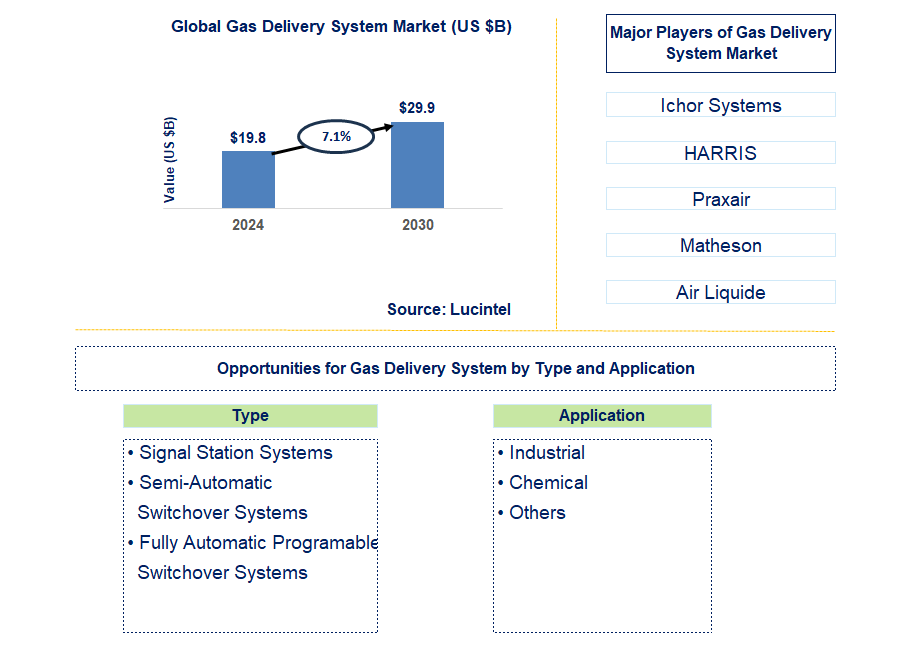
Key data points: The market size in 2030 = $29.9 billion, growth forecast = 7.1% annually for the next 6 years. Scroll below to get more insights. This market report covers trends, opportunities, and forecasts in the global gas delivery system market to 2030 by type (signal station systems, semi-automatic switchover systems, and fully automatic programable switchover systems), application (industrial, chemical, and others), and region (North America, Europe, Asia Pacific, and the Rest of the World)
We'll send your sample report shortly.
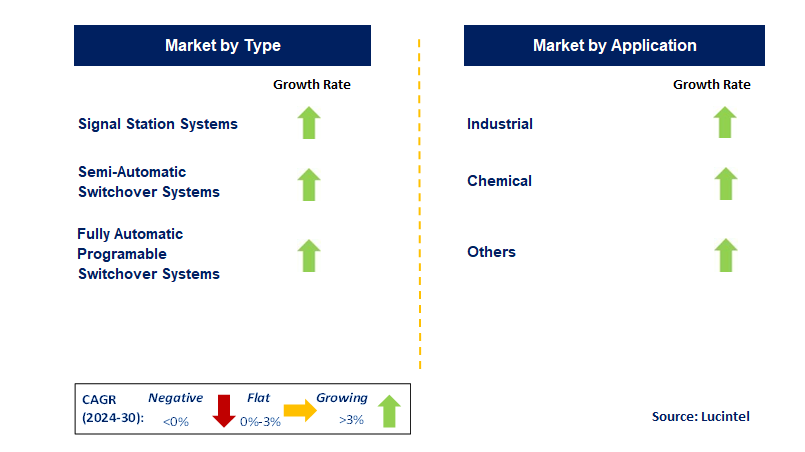
• Lucintel forecasts that, within the type category, signal station systems are expected to witness the highest growth over the forecast period.
• Within the application category, industrial will remain the largest segment.
• In terms of regions, North America will remain the largest region over the forecast period due to growing demand for bird-watching equipment among sports enthusiasts especially in countries like the US and Canada. Gain valuable insights for your business decisions with our comprehensive 150+ page report.
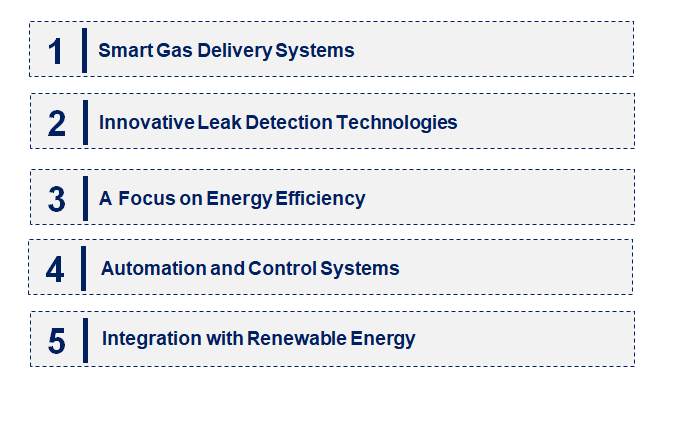
• Smart Gas Delivery Systems: The integration of smart technologies, including IoT and real-time monitoring, into gas delivery systems is transforming these solutions completely. New-generation designs maintain full control, enable predictive maintenance, and offer a higher level of safety, leading to efficient operations.
• Innovative Leak Detection Technologies: Technological developments in leak detection include infrared and acoustic sensors, which improve accuracy and speed in identifying gas leaks. By enabling quick response times after leaks, these technologies promote safety and eliminate risks associated with dangerous incidents.
• A Focus on Energy Efficiency: The energy efficiency of gas delivery systems has become a priority. To enhance sustainability, advanced compressor technology and system optimization strategies have been implemented to reduce both energy consumption and operating expenses.
• Automation and Control Systems: Automation and control systems are becoming commonplace in natural gas distribution processes. Automated systems result in high precision, less manual interference, and enhanced overall reliability, thereby improving safety.
• Integration with Renewable Energy: There is increased adoption of renewable energy sources, such as biogas, into existing gas delivery systems. This trend supports a transition towards more sustainable energy sources, increasing flexibility and adaptability within this infrastructure for gas distribution. These trends have led to increased efficiency, safety, and reduced environmental impact in the gas delivery system market. Smart field technologies used to detect leaks in pipes have led to innovations in predictive maintenance, while alignment between natural gas suppliers, such as Clean Energy Fuels Corp. and Sempra Energy’s SDG&E subsidiary, and renewable sources, has been achieved through partnerships like BOC Group plc’s helium extraction facility, which will be integrated into facilities like the Wind River LNG terminal off the Oregon coast. This collaboration enables a shift from crude oil to cleaner alternatives, such as LPG (liquefied petroleum gases), with lower greenhouse gas emissions.
• Integration of IoT Technology: Gas delivery systems have been integrated with the Internet of Things, which enables them to be monitored and controlled in real time. This advancement has improved system performance, predictive maintenance, and safety by providing comprehensive insights into the system’s functioning and potential risk factors.
• Enhanced Leak Detection Systems: New methods of leak detection, employing optical fiber sensors and sophisticated gas analyzers, are now being used to provide quicker responses and greater sensitivity in detecting leaks. These technologies are instrumental in speeding up leak identification and mitigation, thus preventing accidents and environmental hazards.
• Development of High-Efficiency Compressors: The latest innovation in compressor technology focuses on improving energy efficiency while reducing operational costs. High-efficiency compressors enhance productivity and comply with environmental regulations, advancing sustainability goals across various industries.
• Automation in Gas Distribution: Automated control systems have improved the operation of gas distribution networks. These systems reduce human intervention, increase accuracy, and simplify administrative procedures during gas delivery.
• Expansion of Infrastructure: Developing markets are seeing significant investments aimed at expanding and upgrading their natural gas distribution infrastructure. This includes the construction of new pipelines, storage facilities, and distribution networks that meet the growing needs of both the industrial sector and urban centers. The gas delivery system market is progressing due to these developments, which increase efficiency, improve safety measures, and enhance infrastructure. The integration of new technologies and expansion plans is addressing the sector’s specific requirements, resulting in market growth.
• Industrial Applications: The growing industrial sector presents opportunities to improve the effectiveness and safety of gas delivery systems. Developing such systems would enhance productivity and are suitable for industrial processes, accelerating manufacturing and production expansion.
• Urban Infrastructure: Increasing urban sprawl necessitates robust gas delivery systems. Smarter and automated distribution grids that guarantee reliability and safety in growing urban areas could be developed in the future.
• Renewable Energy Integration: There is potential for growth by integrating gas delivery systems with renewable energy sources, such as biogas and hydrogen. This supports the shift towards sustainable energy solutions while offering more flexibility in gas supply.
• Safety and Compliance Solutions: Stringent safety regulations require gas delivery system developers to create efficient transportation systems that meet these requirements. There is an opportunity to enhance safety features within these systems, thereby improving their reliability and compliance.
• Automation and Smart Technologies: Gas deliveries have embraced automation and smart technologies, offering relevant business opportunities. These solutions allow for real-time monitoring, predictive fault detection, and automatic control, improving the overall effectiveness of operations. These opportunities suggest dynamic innovation capacity and growth potential in the gas delivery system market. Therefore, this indicates ongoing industry transformation through advancements in industrial applications, urban infrastructure, renewable energy integration, and smart technologies.
• Technological Advancements: Advanced technological solutions, such as IoT devices and automation, have improved how natural gas is delivered to consumers. These solutions facilitate better efficiency and safety, responding to rapid developments in various industries.
• Growth of Industrial and Urban Demand: Expanding industrial activity and urbanization require improved and expanded gas supply infrastructure. The need for efficient and reliable natural gas distribution networks is driving market growth and infrastructure development.
• Focus on Safety and Compliance: Advanced safety features in gas delivery systems are being driven by stringent legislation and regulations. Regulatory compliance is a key factor that forces companies to innovate, leading to market expansion.
• Integration with Renewable Energy: The increasing utilization of renewable energy sources, such as biogas and hydrogen, has created a niche market for gas delivery systems that support sustainable energy solutions. This trend aligns with global sustainability goals and fosters market growth.
• Infrastructure Expansion: Investment in expanding and upgrading gas delivery infrastructure, particularly in emerging markets, supports market growth. Building new pipelines, storage facilities, and distribution networks meets rising demand while enhancing system reliability. Challenges in the gas delivery system market include:
• High Capital Costs: Development and implementation processes require significant capital investment, which can be costly for small firms. This affects the competitiveness of the industry.
• Regulatory Compliance: Manufacturers and operators face difficulties adhering to complex regulatory requirements. Compliance issues can impact market entry or increase operational costs.
• Supply Chain Disruptions: Geopolitical events may disrupt supply chains, affecting the availability of materials and causing price fluctuations for components used in gas delivery systems. These challenges may worsen due to geopolitical tensions or global trade disputes. Technological advancements, increasing consumption levels, and a focus on safety measures are driving growth in this sector. However, challenges such as high costs and regulatory compliance impact market performance. To maintain growth in the gas delivery system sector, innovative approaches must be developed to address these challenges.
• Ichor Systems
• HARRIS
• Praxair
• Matheson
• Air Liquide
• The Fuel Cell
• Environics
• CVD Equipment
• Watlow
• Signal Station Systems
• Semi-Automatic Switchover Systems
• Fully Automatic Programable Switchover Systems
• Industrial
• Chemical
• Others
• North America
• Europe
• Asia Pacific
• The Rest of the World
• United States: The U.S. has made significant improvements in gas delivery systems, including IoT integration for real-time monitoring and control. Notable advancements in industrial applications’ safety features and automation have improved operational efficiency by reducing human error.
• China: China is focused on upgrading its gas delivery infrastructure to support the growing industrial sector. Recent developments include the implementation of advanced control systems and improved safety protocols due to increased demand for reliable gas distribution in the manufacturing and energy sectors.
• Germany: Germany is progressing towards sustainable and efficient gas delivery systems. Innovations include high-efficiency compressors, leak detection devices that support environmental regulations, and enhanced performance, particularly in automotive and other industrial sectors.
• India: India is rapidly developing its gas delivery infrastructure to meet the increasing demands of urbanization and industrial growth. Recently, progress has been made in developing sophisticated pipeline monitoring systems and automatic networks for gas distribution, improving safety even in rural areas.
• Japan: Japan is improving its existing gas delivery systems by adopting the latest technologies, such as smart sensors and automated controls. These advancements aim to make systems more reliable and safe, particularly in response to strict regulations concerning natural disasters.


• Ichor Systems
• HARRIS
• Praxair
• Matheson
• Air Liquide
• The Fuel Cell
• Environics
• CVD Equipment
• Watlow Q6. Which gas delivery system market segment will be the largest in future? Answer: Lucintel forecast that signal station systems is expected to witness the highest growth over the forecast period due to its extensive usage to transport natural gas from sources to final consumers and monitor gas flow rates and pressure to ensure efficiency and safety. Q7. In gas delivery system market, which region is expected to be the largest in next 5 years? Answer: APAC is expected to witness the highest growth over the forecast period due to government programs to support renewable energy sources. Q.8 Do we receive customization in this report? Answer: Yes, Lucintel provides 10% customization without any additional cost.


Choose a license that fits your team. Instant PDF delivery.
Prices exclude taxes. Instant delivery. Custom licensing available on request.
Market Report · July 22, 2026
Market Report · June 26, 2026
Market Report · May 18, 2026
Trusted partner for strategic intelligence and business growth


Receive a complimentary market analysis tailored to your industry. Our analysts will identify key growth opportunities and competitive dynamics specific to your business.

Market size, growth rate, and key trend analysis for your specific sector.

Top competitor positioning and market share analysis.

Strategic recommendations backed by data-driven insights.
Get curated market intelligence and competitive moves straight to your inbox.
By subscribing, you agree to receive our monthly insights. Unsubscribe anytime.
Receive a complimentary market analysis tailored to your industry. Our analysts will identify key growth opportunities and competitive dynamics specific to your business.
Market size, growth rate, and key trend analysis for your specific sector.
Top competitor positioning and market share analysis.
Strategic recommendations backed by data-driven insights.
Get curated market intelligence, emerging trends, and competitive moves straight to your inbox each month.
By subscribing, you agree to receive our monthly insights. Unsubscribe anytime.
We'll send your sample report shortly.