
Market Report · July 16, 2026

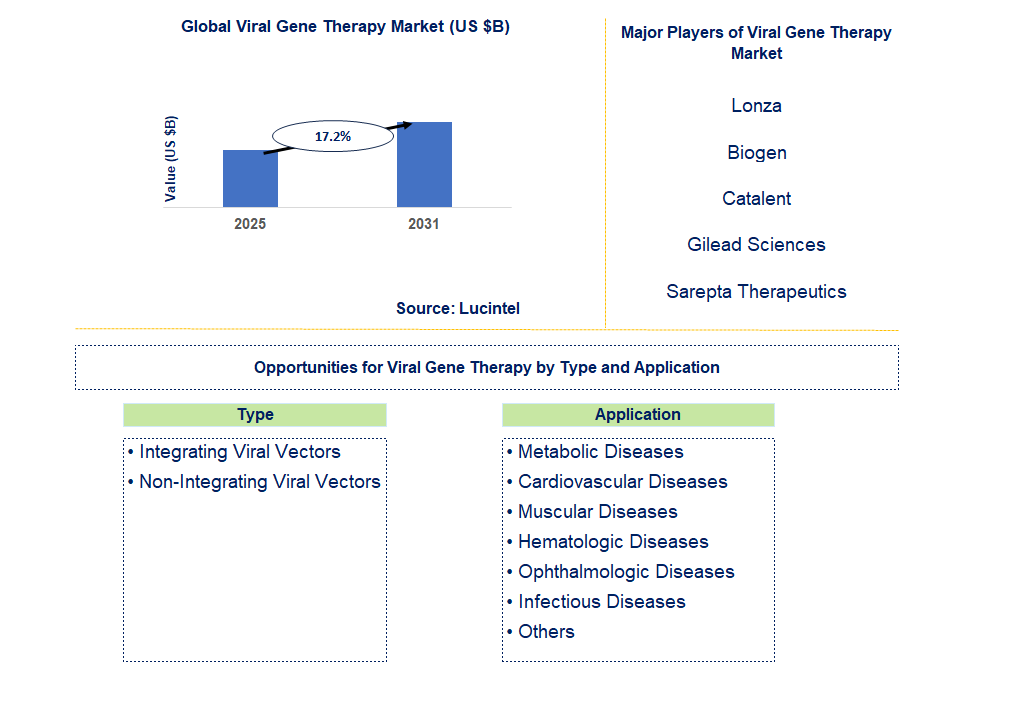
Key data points: The growth forecast = 17.2% annually for the next 7 years. Scroll below to get more insights. This market report covers trends, opportunities and forecasts in viral gene therapy market to 2031 by type (integrating viral vectors and non-integrating viral vectors), application (metabolic diseases, cardiovascular diseases, muscular diseases, hematologic diseases, ophthalmologic diseases, infectious diseases, and others), and region (North America, Europe, Asia Pacific, and the Rest of the World)
We'll send your sample report shortly.
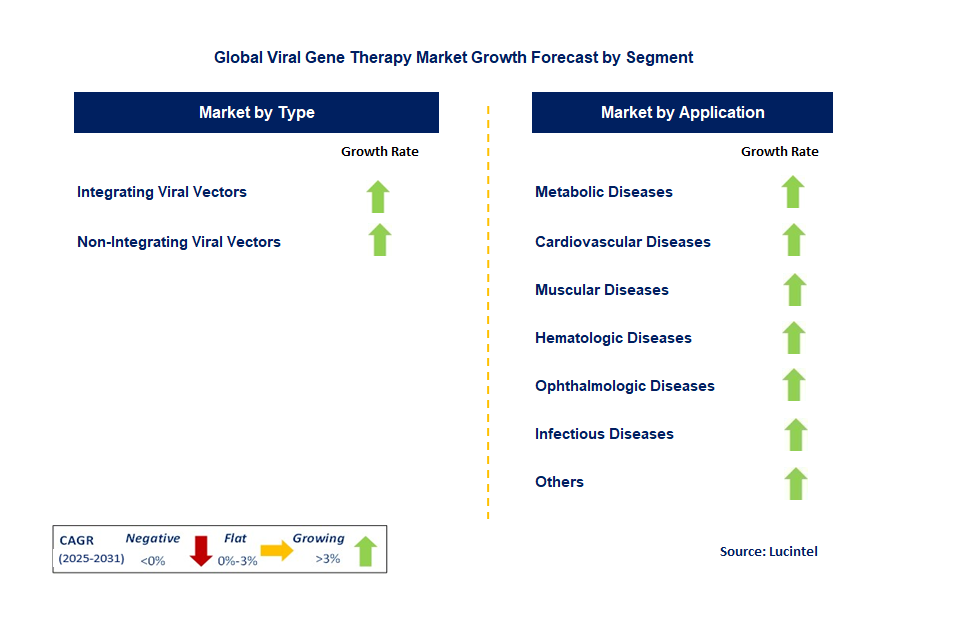
• Lucintel forecasts that, within the type category, integrating viral vectors is expected to witness higher growth over the forecast period.
• Within the application category, infectious diseases are expected to witness the highest growth.
• In terms of region, North America is expected to witness the highest growth over the forecast period. Gain valuable insights for your business decisions with our comprehensive 150+ page report. Sample figures with some insights are shown below.
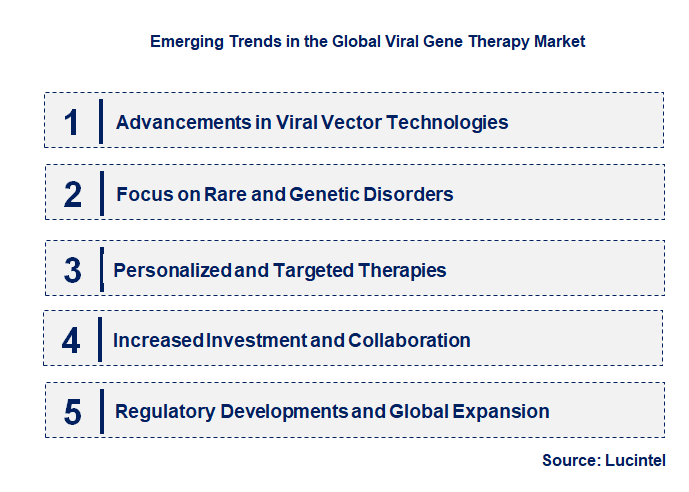
• Advancements in Viral Vector Technologies: Viral vectors are the key delivery mechanisms for gene therapy, and advancements in viral vector technologies are leading to safer, more efficient therapies. As research continues into optimizing the efficiency and specificity of viral vectors, new methods are being developed to minimize immune reactions and enhance gene delivery to target cells. Innovations in adeno-associated virus (AAV) vectors, lentiviral vectors, and non-viral delivery methods are making gene therapies safer and more effective. These improvements in vector design are expected to increase patient outcomes and expand the range of diseases that can be treated.
• Focus on Rare and Genetic Disorders: The viral gene therapy market is increasingly focusing on rare genetic disorders and conditions that currently have limited treatment options. Viral gene therapies are particularly well-suited to address genetic disorders like hemophilia, sickle cell disease, and Duchenne muscular dystrophy. As clinical trials for these therapies progress, the market is seeing a rise in demand for therapies targeting rare diseases. This trend is being fueled by the potential for gene therapies to offer long-lasting or even curative solutions for patients with genetic conditions, providing them with a new lease of life.
• Personalized and Targeted Therapies: Personalized gene therapies are on the rise, aiming to tailor treatments to individual patients based on their genetic profiles. As gene therapy technology advances, the ability to customize treatments to target specific mutations or genetic defects is becoming increasingly feasible. This trend is particularly prominent in oncology, where gene therapies are being developed to target individual cancer cells more precisely, minimizing side effects and maximizing effectiveness. The shift toward personalized medicine is expected to enhance patient outcomes and broaden the scope of viral gene therapies.
• Increased Investment and Collaboration: There has been a surge in investment from both public and private sectors in the viral gene therapy market, fueling growth and accelerating development. Pharmaceutical companies, venture capitalists, and government agencies are recognizing the potential of viral gene therapies, resulting in increased funding for research and clinical trials. Collaborations between biotech firms, academic institutions, and major pharmaceutical companies are becoming more common, driving innovation and facilitating the development of new gene therapies. This influx of investment is expected to accelerate the approval and commercialization of viral gene therapies in the coming years.
• Regulatory Developments and Global Expansion: Regulatory frameworks for gene therapy are evolving to accommodate the unique challenges of these treatments, enabling faster approvals and wider adoption globally. Regulatory bodies in the U.S., Europe, and Asia are revising guidelines to streamline the approval process for gene therapies, especially those using viral vectors. These changes are designed to encourage innovation while ensuring patient safety. Additionally, with the global demand for gene therapies increasing, regulatory harmonization across regions is helping companies expand into international markets, contributing to the growth of the viral gene therapy industry worldwide. The viral gene therapy market is undergoing a transformation driven by advancements in vector technology, increasing focus on rare diseases, personalized medicine, substantial investments, and evolving regulatory environments. These emerging trends are significantly reshaping the industry, making gene therapies more accessible, targeted, and effective. As these trends continue to develop, the viral gene therapy market is poised for continued growth, with the potential to revolutionize the treatment of a wide range of genetic and chronic diseases.
• FDA Approvals of Gene Therapy Products: The approval of gene therapy products like Zolgensma and Kymriah in the U.S. has been a major milestone in the market. Zolgensma, for spinal muscular atrophy, and Kymriah, for leukemia, represent the first successful commercial applications of viral gene therapies, validating the potential of this approach for treating serious genetic disorders. These approvals have paved the way for future treatments and have increased interest in viral gene therapy as a viable treatment option for other conditions.
• Expansion of Clinical Trials for Genetic Diseases: Numerous clinical trials are now underway for viral gene therapies targeting genetic disorders. These trials are exploring potential treatments for rare diseases such as hemophilia, Duchenne muscular dystrophy, and sickle cell anemia. The success of these trials will likely lead to new FDA-approved treatments, expanding the reach of gene therapy. The expanding pipeline of clinical trials demonstrates the growing recognition of viral gene therapies as a powerful tool for addressing a variety of unmet medical needs.
• Advancements in Viral Vector Engineering: Ongoing advancements in viral vector technology are enabling more efficient and less immunogenic gene therapies. Researchers are developing next-generation viral vectors that are more targeted, with reduced risk of adverse immune responses. Improvements in vector design are leading to more reliable delivery of genetic material to cells, reducing side effects and enhancing therapeutic efficacy. These advancements will likely improve patient outcomes and support the broadening of gene therapy applications.
• Partnerships Between Biotech and Pharma: Increasing collaboration between biotech companies and pharmaceutical giants is a defining feature of the viral gene therapy market. These partnerships facilitate access to advanced viral vector technology, funding for clinical trials, and the infrastructure needed for mass production. By leveraging the expertise of both sides, these collaborations are helping accelerate the development and commercialization of gene therapies for a range of diseases, particularly in oncology and rare genetic disorders.
• Global Expansion and Regulatory Advancements: Regulatory bodies around the world are adjusting their frameworks to accommodate the unique challenges posed by viral gene therapies. In countries like the U.S., China, and Japan, regulatory approval processes are being expedited, which is facilitating faster market access for new therapies. This global expansion, combined with regulatory advancements, is helping to accelerate the commercial rollout of viral gene therapies, broadening their availability to a global patient base. These five developments are marking significant milestones in the viral gene therapy market, driving both clinical progress and commercial success. With advancements in viral vector technologies, expanding clinical trial pipelines, increased regulatory support, and global collaborations, the market is poised to continue its rapid growth, improving
• Rare and Orphan Diseases: Rare and orphan diseases represent a substantial growth opportunity for viral gene therapies. Genetic disorders, such as hemophilia, Duchenne muscular dystrophy, and spinal muscular atrophy, currently have limited treatment options, making them ideal candidates for gene therapy. Viral vectors can be used to deliver corrective genes, offering potential cures or long-term treatments. Given the complexity and high unmet need for these conditions, gene therapies can provide breakthrough solutions that radically improve patient outcomes. As clinical trials progress, more treatments will likely be approved, opening up new market segments for companies focused on rare diseases.
• Oncology and Cancer Immunotherapy: Gene therapy in oncology is rapidly advancing, particularly with the use of viral vectors in cancer immunotherapy. By engineering immune cells (such as T-cells) to target specific cancer cells, gene therapies like CAR-T therapies have shown impressive results in treating blood cancers such as leukemia and lymphoma. However, there is growing potential to apply viral gene therapy to solid tumors. Targeting cancer-specific mutations through gene-editing techniques is an exciting growth opportunity. As these therapies are refined and expanded to broader cancer indications, the oncology application will become a critical driver of market growth in gene therapy.
• Personalized Medicine: Personalized medicine, particularly in the field of viral gene therapy, is a rapidly evolving area. Tailoring treatments to the genetic profile of individual patients allows for more targeted and effective therapies, which can minimize adverse effects and maximize therapeutic benefits. Viral gene therapies offer the potential to treat genetic mutations on a patient-by-patient basis, providing more precise interventions. As genetic testing becomes more widespread, the demand for personalized treatments is expected to rise, creating a significant growth opportunity for viral gene therapy companies. This approach is particularly promising in oncology, where personalized cancer therapies can enhance the efficacy of treatment.
• Gene Therapy for Cardiovascular Diseases: Cardiovascular diseases, particularly genetic forms of heart disease, are increasingly being targeted by gene therapies. Viral vectors are being explored to deliver genes that can correct genetic defects or promote tissue regeneration in the heart. Conditions like familial hypercholesterolemia and inherited cardiomyopathies could benefit from gene therapies that modify the underlying genetic causes of these diseases. As gene-editing technologies evolve, this area is poised to see rapid growth, with gene therapy offering the potential for durable, long-term treatments. This growth opportunity can significantly transform the landscape of cardiovascular disease management, providing new hope for patients with genetic predispositions.
• Viral Vector Development and Manufacturing: One of the most critical growth opportunities within the viral gene therapy market lies in the development and manufacturing of viral vectors. These vectors are the key delivery system for gene therapies, and as demand for gene therapies rises, so does the need for scalable, cost-effective production methods. Advances in viral vector engineering—such as optimizing viral vector production and reducing immunogenicity—are crucial for improving the efficiency and safety of gene therapies. Companies investing in viral vector development and manufacturing capacity are well-positioned to become key players in the viral gene therapy ecosystem as the industry expands. These five strategic growth opportunities—focused on rare diseases, oncology, personalized medicine, cardiovascular diseases, and viral vector development—are poised to significantly impact the future of the viral gene therapy market. As research progresses and regulatory approvals increase, these areas will continue to drive market expansion, enabling novel therapeutic solutions for a variety of diseases. Companies that tap into these opportunities can position themselves as leaders in a rapidly growing and transformative industry.
• Lonza
• Biogen
• Catalent
• Gilead Sciences
• Sarepta Therapeutics
• Integrating Viral Vectors
• Non-Integrating Viral Vectors
• Metabolic Diseases
• Cardiovascular Diseases
• Muscular Diseases
• Hematologic Diseases
• Ophthalmologic Diseases
• Infectious Diseases
• Others
• North America
• Europe
• Asia Pacific
• The Rest of the World
• United States: In the U.S., the viral gene therapy market has seen significant investments and breakthroughs, particularly with FDA-approved treatments like Luxturna and Zolgensma for inherited retinal diseases and spinal muscular atrophy, respectively. The U.S. continues to lead in gene therapy trials, with a heavy focus on oncology, rare genetic disorders, and blood-related diseases like sickle cell anemia. The market is supported by a robust regulatory environment that encourages innovation, as well as high levels of investment from both public and private sectors. With continued R&D funding and clinical advancements, the U.S. is poised to maintain its leadership in viral gene therapy development.
• China: China has emerged as a rapidly growing market for viral gene therapies, spurred by significant government investment in biotech and healthcare. The Chinese government has been actively supporting the development of gene therapies, with several research institutions and biotech firms making strides in clinical trials. Additionally, China is focusing on expanding its healthcare infrastructure to support the commercialization of gene therapies. While regulatory challenges persist, China’s large patient population and increasing demand for advanced medical treatments make it a key player in the viral gene therapy market, particularly in areas such as oncology and genetic diseases.
• Germany: Germany is one of the leaders in Europe for viral gene therapy development, with strong support from both the government and private sectors. The country has seen significant progress in gene therapy trials, particularly for rare diseases and cancer therapies. The German regulatory environment is well-established, providing a clear pathway for the commercialization of gene therapies. Moreover, Germany’s well-developed healthcare system and its strong biotech industry infrastructure make it an attractive location for global companies to develop and test viral gene therapies. Research institutions in Germany are also collaborating on innovative viral vector technologies, further boosting market growth.
• India: India is experiencing rapid growth in the viral gene therapy sector, driven by its large patient population and increasing investment in biotechnology. India’s market is witnessing increasing adoption of gene therapies for both rare and chronic diseases. The Indian government has recognized the potential of gene therapies and is making strides to improve regulatory frameworks and infrastructure. However, challenges related to affordability and access to advanced therapies remain. Nonetheless, India’s burgeoning biotech sector, combined with collaborations with global pharmaceutical companies, is creating a favorable environment for viral gene therapy research and commercialization.
• Japan: Japan is at the forefront of gene therapy innovation in Asia, with a well-established regulatory framework and government support for cutting-edge treatments. The country has been actively investing in viral gene therapies, particularly in areas like regenerative medicine and oncology. Japan's National Institutes of Health and major pharmaceutical companies are collaborating to develop and commercialize new gene therapy solutions. Furthermore, Japan's aging population is contributing to increased demand for advanced treatments, positioning the country as a key market for viral gene therapy products. Ongoing clinical trials in Japan are likely to lead to a broader adoption of viral gene therapies in the near future.


• Lonza
• Biogen
• Catalent
• Gilead Sciences
• Sarepta Therapeutics Q5. Which viral gene therapy market segment will be the largest in future? Answer: Lucintel forecasts that, within the type category, integrating viral vectors is expected to witness higher growth over the forecast period. Q6. In viral gene therapy market, which region is expected to be the largest in next 5 years? Answer: In terms of region, North America is expected to witness the highest growth over the forecast period. Q7. Do we receive customization in this report? Answer: Yes, Lucintel provides 10% customization without any additional cost.


Choose a license that fits your team. Instant PDF delivery.
Prices exclude taxes. Instant delivery. Custom licensing available on request.
Market Report · July 16, 2026
Market Report · July 15, 2026
Market Report · July 15, 2026
Trusted partner for strategic intelligence and business growth


Receive a complimentary market analysis tailored to your industry. Our analysts will identify key growth opportunities and competitive dynamics specific to your business.

Market size, growth rate, and key trend analysis for your specific sector.

Top competitor positioning and market share analysis.

Strategic recommendations backed by data-driven insights.
Get curated market intelligence and competitive moves straight to your inbox.
By subscribing, you agree to receive our monthly insights. Unsubscribe anytime.
Receive a complimentary market analysis tailored to your industry. Our analysts will identify key growth opportunities and competitive dynamics specific to your business.
Market size, growth rate, and key trend analysis for your specific sector.
Top competitor positioning and market share analysis.
Strategic recommendations backed by data-driven insights.
Get curated market intelligence, emerging trends, and competitive moves straight to your inbox each month.
By subscribing, you agree to receive our monthly insights. Unsubscribe anytime.
We'll send your sample report shortly.