
Market Report · May 18, 2026

This market report covers trends, opportunities, and forecasts in the global thermomechanical fatigue testing market to 2031 by technology (turbine parts testing, engine component testing, and others), application (mechanical engineering, automotive industry, aerospace, oil and gas, and others), and region (North America, Europe, Asia Pacific, and the Rest of the World)
We'll send your sample report shortly.
• Automation and Digitalization: Automation and integrating digital systems in thermomechanical fatigue testing are increasing efficiency and accuracy. Automated testing systems reduce human error, provide more consistent results, and enhance throughput. Digital tools also allow remote monitoring and control of tests, improving operational flexibility.
• High-Temperature Fatigue Testing: With the growing demand for high-performance components, particularly in aerospace and automotive industries, there is an increasing focus on high-temperature thermomechanical fatigue testing. This trend is driven by the need to simulate real-world conditions, such as those experienced by turbine parts and engine components, under extreme temperature variations.
• Advanced Simulation and Modeling: The integration of simulation and modeling tools is transforming how thermomechanical fatigue tests are conducted. These tools allow engineers to predict material behavior and optimize designs before physical testing. This shift toward virtual testing reduces costs and development times while improving the accuracy of fatigue life predictions.
• Use of Additive Manufacturing Materials: The rise of additive manufacturing (3D printing) has introduced new materials and manufacturing processes that require specific testing methodologies. Thermomechanical fatigue testing is adapting to assess the durability and performance of 3D-printed materials, which often have different mechanical properties than traditionally manufactured parts.
• Sustainability and Environmental Impact: With increasing focus on sustainability, thermomechanical fatigue testing is evolving to assess the long-term performance of materials in eco-friendly applications. Testing for bio-based materials, lightweight alloys, and composites is becoming more prominent, aligning with industries’ efforts to reduce carbon footprints and environmental impact. These emerging trends are reshaping the thermomechanical fatigue testing market by improving testing precision, reducing costs, and accelerating product development cycles. Automation, advanced simulations, and new materials are driving innovation, while sustainability is becoming a key factor in shaping the future of the industry. As testing technologies continue to evolve, they will play a crucial role in advancing material performance across industries.
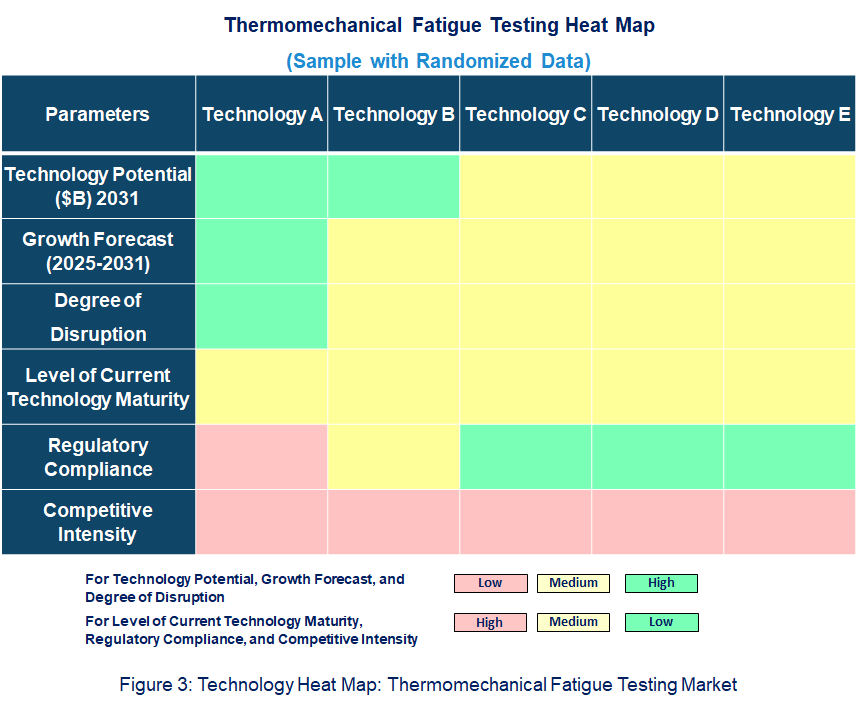
• Potential in Technology: The thermomechanical fatigue testing market holds significant technology potential, driven by advancements in automation, high-temperature testing, and digital simulation. The integration of automated systems and digital tools enables more precise and efficient testing, allowing for the handling of complex fatigue scenarios and reducing human error. High-temperature fatigue testing, in particular, has gained traction due to its relevance in industries like aerospace, automotive, and energy, where materials are exposed to extreme conditions. The incorporation of advanced simulation technologies also offers the ability to model and predict material behavior, further optimizing the testing process and reducing reliance on physical prototypes.
• Degree of Disruption: The degree of disruption in the market is moderate to high, especially with the adoption of additive manufacturing and advanced modeling tools. Additive manufacturing technologies introduce new materials and complex geometries that require new testing approaches, which could redefine traditional methods.
• Current Technology Maturity Level: The current maturity of these technologies varies. While automated testing systems and high-temperature testing techniques are well-established, advanced simulation and modeling tools are rapidly evolving but are not yet fully mature in terms of widespread adoption.
• Regulatory Compliance: Regulatory compliance is crucial, especially in safety-critical industries like aerospace, where testing must meet stringent standards for material integrity and environmental impact. Adhering to these regulations is essential to ensure product reliability and safety.
• Swansea Materials Research & Testing Ltd: Swansea Materials Research & Testing Ltd has recently enhanced its thermomechanical fatigue testing capabilities by incorporating advanced high-temperature testing systems. This development enables more accurate simulations of real-world conditions for aerospace and automotive components, improving material evaluation under extreme temperatures and mechanical stresses.
• Lucideon: Lucideon has focused on expanding its testing services by integrating advanced simulation and modeling tools. This allows for better prediction of material performance and fatigue life, reducing the need for extensive physical testing. This technological leap is enabling clients to speed up product development cycles while maintaining high-quality testing standards.
• Quadco Engineering: Quadco Engineering has introduced automation into its thermomechanical fatigue testing processes, resulting in improved precision and throughput. This integration of automated systems helps to minimize human error, enhance testing consistency, and speed up the evaluation of materials, especially in high-demand sectors like automotive and aerospace.
• Aimil Ltd: Aimil Ltd has advanced its thermomechanical fatigue testing technologies by focusing on eco-friendly and sustainable testing solutions. The company is investing in greener testing methods that reduce waste and energy consumption, aligning with growing environmental standards and increasing demand for sustainable production processes.
• ANSYS Inc.: ANSYS Inc. has developed cutting-edge simulation software for thermomechanical fatigue testing, allowing engineers to predict material behavior with a high degree of accuracy. By leveraging advanced virtual testing, ANSYS helps companies reduce reliance on physical prototypes, cut costs, and shorten product development cycles while ensuring optimal material performance.
• YEONJIN S-Tech Corporation: YEONJIN S-Tech Corporation has introduced new testing solutions specifically designed for additive manufacturing materials. As 3D printing becomes more prevalent, the company’s technology assesses the durability and fatigue resistance of new materials, supporting industries like aerospace and medical devices in their adoption of innovative manufacturing methods.
• ASKV SOLUTIONS Pvt. Ltd: ASKV SOLUTIONS Pvt. Ltd has been focusing on integrating high-precision testing systems for thermomechanical fatigue. The company’s innovations include systems that provide real-time monitoring and data analysis, allowing for more accurate fatigue life predictions and better decision-making in material selection and design for critical applications. These developments reflect the dynamic changes occurring in the thermomechanical fatigue testing market. The focus on automation, high-temperature testing, simulation technologies, and sustainability is not only enhancing the accuracy and efficiency of testing but also helping industries meet increasingly stringent regulatory standards.
• Technological Advancements: Advances in automation, simulation, and high-temperature testing technologies are improving the precision and efficiency of thermomechanical fatigue testing. These innovations help reduce testing times, cut costs, and improve the accuracy of results, enabling industries to enhance product durability and performance.
• Increasing Demand for High-Performance Materials: The demand for advanced, high-performance materials in sectors like aerospace, automotive, and energy is driving the need for more comprehensive fatigue testing. As materials face extreme operational conditions, the need for reliable testing to ensure product safety and longevity is growing, expanding the market.
• Rising Demand for Customization and Precision: Industries are increasingly demanding highly customized and precise material performance data. This trend is encouraging companies to invest in advanced thermomechanical fatigue testing solutions that cater to specific industry needs, improving the overall quality of testing and reducing the time-to-market for new products.
• Regulatory Compliance and Safety Standards: Stricter safety and regulatory standards in sectors such as aerospace, automotive, and energy are pushing companies to adopt more robust and reliable testing methods. Meeting these compliance requirements boosts the demand for thermomechanical fatigue testing, as it ensures product safety and durability.
• Sustainability and Eco-Friendly Practices: The growing focus on sustainable practices is driving the adoption of eco-friendly testing methods. Companies are now focusing on reducing energy consumption and waste during testing, aligning with environmental regulations, and improving their market appeal. Challenges:
• High Costs: Advanced thermomechanical fatigue testing systems require significant capital investment, which may be a barrier for smaller companies. Additionally, maintaining and upgrading these high-tech systems incurs ongoing costs, which can limit market entry for new players.
• Technological Complexity: The complexity of thermomechanical fatigue testing technologies can make it difficult for companies to adopt and implement these systems effectively. The need for highly skilled technicians and training adds to the challenge of widespread adoption.
• Regulatory Hurdles: Navigating the regulatory landscape, especially in safety-critical sectors, can be challenging. Compliance with strict industry standards requires continual updates to testing procedures, which can slow down the development and implementation of new testing technologies. The thermomechanical fatigue testing market is being shaped by technological advancements, a growing demand for high-performance materials, and increasing regulatory standards. While the challenges of high costs, technological complexity, and regulatory compliance persist, these drivers are creating significant opportunities for innovation and growth. The shift toward more efficient, accurate, and sustainable testing solutions is poised to reshape the market and meet the evolving demands of industries reliant on durable, high-performance materials.
• Swansea Materials Research & Testing Ltd
• Lucideon
• Quadco Engineering
• Aimil Ltd
• ANSYS Inc
• YEONJIN S-Tech Corporation
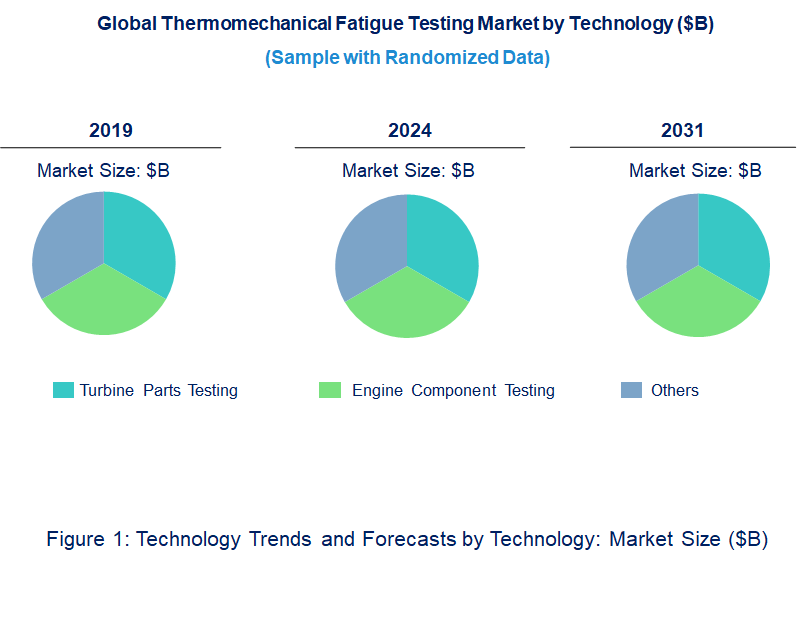
• Technology Readiness by Technology Type in the thermomechanical fatigue testing market: Turbine parts testing technologies are mature, widely used in aerospace and energy. Engine component testing is advancing with digital twin simulations and automated systems, used in automotive and aerospace. Emerging technologies like 3D-printed materials and laser-based testing are still developing but have significant potential. All technologies must meet stringent safety standards and industry regulations, especially in aerospace and energy. Competitive intensity is highest in turbine parts and engine component testing, with growing innovations to meet evolving needs.
• Competitive Intensity and Regulatory Compliance of Different Technologies in the thermomechanical fatigue testing market: The thermomechanical fatigue testing market is highly competitive as aerospace, automotive, and energy industries demand precise testing. Turbine parts and engine component testing technologies compete with innovations in automation, simulations, and monitoring systems. Regulatory compliance is crucial, especially in aerospace and energy, where safety is paramount. Testing technologies must adhere to standards from agencies like the FAA and ISO, ensuring compliance with environmental and safety regulations.
• Disruption Potential of Different Technologies in the thermomechanical fatigue testing market: Turbine parts testing, engine component testing, and other technologies in the thermomechanical fatigue testing market are disrupted by advancements in automation, simulation, and real-time data analytics. Turbine parts testing, with high-temperature and high-cycle fatigue simulation, is revolutionizing the aerospace and energy industries. Engine component testing, with advanced materials and digital twins, enhances testing efficiency in automotive and aerospace. Emerging technologies like laser-based or 3D-printed materials testing could replace traditional methods, improving precision and reducing costs. AI-driven real-time data analysis also optimizes product development and testing processes.
• Turbine Parts Testing
• Engine Component Testing
• Others
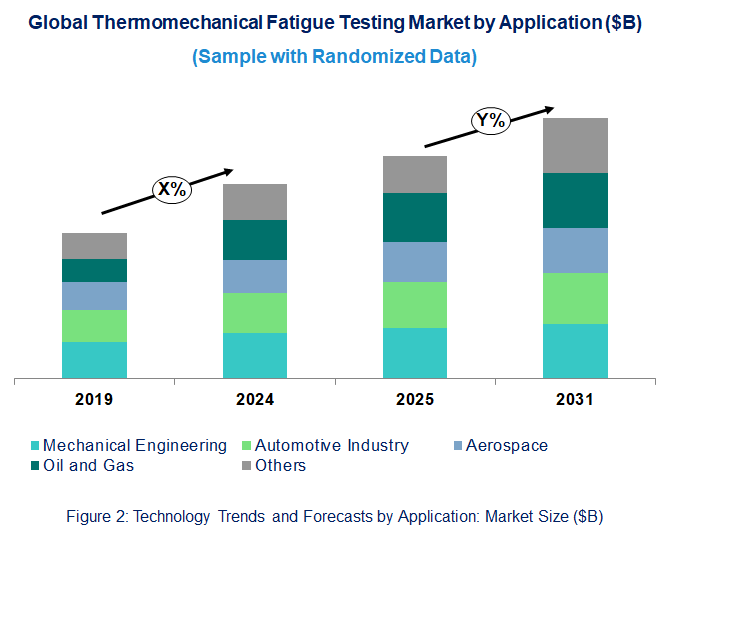
• Mechanical Engineering
• Automotive Industry
• Aerospace
• Oil and Gas
• Others
• North America
• Europe
• Asia Pacific
• The Rest of the World
• Latest Developments and Innovations in the Thermomechanical Fatigue Testing Technologies
• Companies / Ecosystems
• Strategic Opportunities by Technology Type


Choose a license that fits your team. Instant PDF delivery.
Prices exclude taxes. Instant delivery. Custom licensing available on request.
Market Report · May 18, 2026
Market Report · May 18, 2026
Market Report · May 18, 2026
Trusted partner for strategic intelligence and business growth


Receive a complimentary market analysis tailored to your industry. Our analysts will identify key growth opportunities and competitive dynamics specific to your business.

Market size, growth rate, and key trend analysis for your specific sector.

Top competitor positioning and market share analysis.

Strategic recommendations backed by data-driven insights.
Get curated market intelligence and competitive moves straight to your inbox.
By subscribing, you agree to receive our monthly insights. Unsubscribe anytime.
Receive a complimentary market analysis tailored to your industry. Our analysts will identify key growth opportunities and competitive dynamics specific to your business.
Market size, growth rate, and key trend analysis for your specific sector.
Top competitor positioning and market share analysis.
Strategic recommendations backed by data-driven insights.
Get curated market intelligence, emerging trends, and competitive moves straight to your inbox each month.
By subscribing, you agree to receive our monthly insights. Unsubscribe anytime.
We'll send your sample report shortly.