
Market Report · July 29, 2026

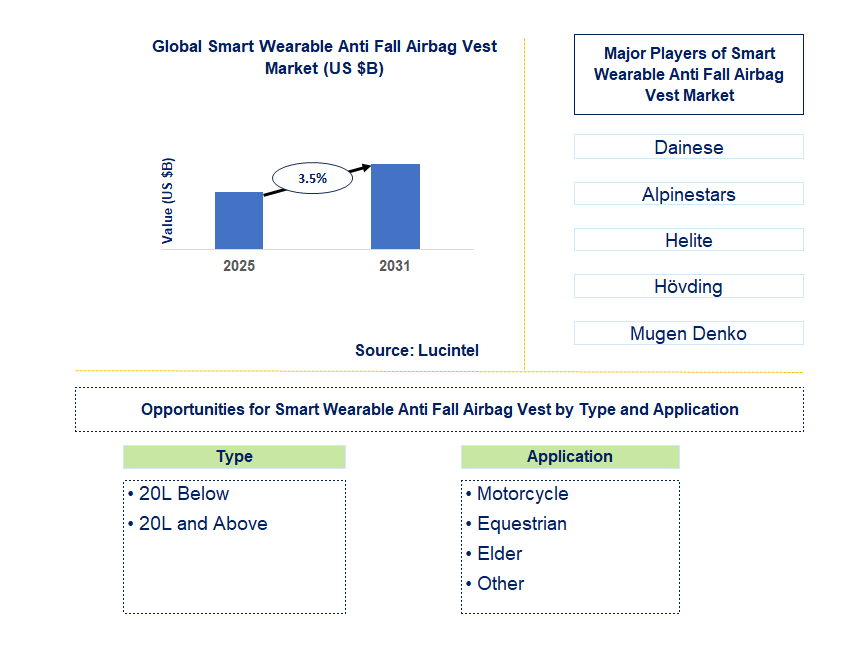
Key data points: The growth forecast = 3.5% annually for the next 7 years. Scroll below to get more insights. This market report covers Trends, opportunity and forecast in smart wearable anti fall airbag vest market to 2031 by type (20l below and 20l and above), application (motorcycle, equestrian, elder, and other), and region (North America, Europe, Asia Pacific, and the Rest of the World)
We'll send your sample report shortly.
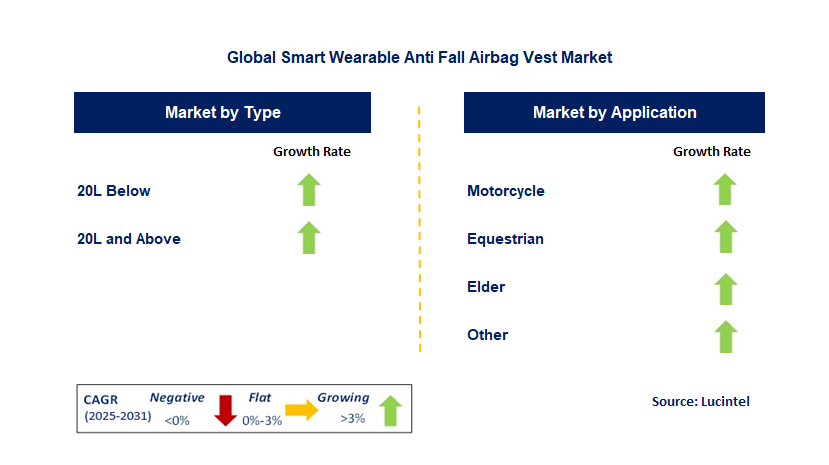
• Lucintel forecasts that, within the type category, 20l below is expected to witness higher growth over the forecast period due to used by individuals who require day-to-day fall protection for personal safety.
• Within the application category, motorcycle will remain the largest segment due to high risk of injury in motorcycle accidents and the established market.
• In terms of region, North America will remain the largest region over the forecast period due to consumers are more likely to invest in health and safety-related wearables. Gain valuable insights for your business decisions with our comprehensive 150+ page report. Sample figures with some insights are shown below.
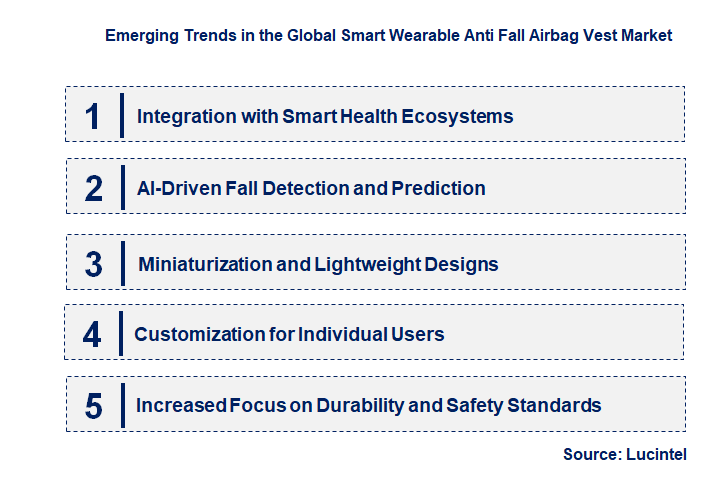
• Integration with Smart Health Ecosystems: One emerging trend is the integration of smart wearable anti fall airbag vests with broader health monitoring systems. These devices can now sync with smartphones, healthcare platforms, and smart home technologies to provide real-time alerts to caregivers or family members. This integration not only enhances the vest’s utility but also creates a comprehensive safety network, improving response times and ensuring timely medical intervention in case of a fall.
• AI-Driven Fall Detection and Prediction: Artificial intelligence is becoming increasingly important in the smart wearable airbag vest market. AI algorithms are being incorporated to detect falls more accurately and even predict them based on movement patterns. This predictive capability allows the vest to inflate preemptively in some instances, reducing injury severity. The incorporation of AI enhances the vest’s performance, making it more reliable in protecting users, and offers new opportunities for market growth in healthcare applications.
• Miniaturization and Lightweight Designs: As wearable technology becomes more advanced, manufacturers are focusing on creating lighter and more compact airbag vests. These smaller designs provide users with greater comfort and ease of use while still maintaining high levels of protection. Miniaturization of the components, including airbag inflators and sensors, is making these devices more practical for everyday wear, which increases their appeal to a wider consumer base, especially the elderly who may find bulky devices uncomfortable.
• Customization for Individual Users: There is a growing trend towards customization in wearable airbag vests. Manufacturers are focusing on creating devices that can be tailored to an individual’s needs, such as adjusting sensitivity levels or providing personalized alerts based on medical history. Customization helps increase user satisfaction and effectiveness by providing a more personalized fall protection experience. This trend is particularly appealing in markets like Japan and Germany, where the elderly population values personalized healthcare solutions.
• Increased Focus on Durability and Safety Standards: With advancements in materials science, manufacturers are enhancing the durability of smart wearable anti fall airbag vests. Vests are being made more resistant to wear and tear, offering longer lifespans and ensuring that the airbag systems remain effective over time. Additionally, as regulatory bodies set stricter safety standards, companies are ensuring their products meet these standards to increase consumer confidence. Improved durability and adherence to safety regulations help reinforce the vest’s role as a reliable safety solution. These emerging trends are reshaping the smart wearable anti fall airbag vest market by focusing on improving functionality, comfort, and integration with broader health systems. The evolution of these devices towards smaller, more reliable, and personalized products is making them more accessible and effective in preventing fall-related injuries. As these trends continue to develop, they are likely to drive the adoption of wearable airbag vests, especially in aging populations around the world.
• Enhanced Fall Detection Algorithms: Recent advancements have focused on improving the accuracy of fall detection algorithms. AI and machine learning technologies are being employed to distinguish between normal movements and potential falls, minimizing false alarms. These improved algorithms ensure that the airbag vests only activate when necessary, offering greater reliability and reducing wearers’ anxiety about false triggers. The advancements in detection are a crucial step in making these vests more practical and trustworthy.
• Collaboration with Healthcare Providers: Many companies are forming strategic partnerships with healthcare providers and institutions to promote smart wearable airbag vests as a preventive healthcare tool. These collaborations help integrate these devices into broader health monitoring systems, allowing for real-time monitoring and quick responses in case of an emergency. Healthcare providers can use data from these devices to assess fall risks and recommend lifestyle adjustments, improving patient outcomes.
• Regulatory Approvals and Safety Standards: Recent developments have seen smart wearable anti fall airbag vests meeting more stringent safety standards and obtaining regulatory approvals. In markets like the U.S. and Europe, regulatory bodies are approving these devices as part of senior care programs and insurance reimbursements. This gives manufacturers a clear path to market entry and enhances consumer confidence, helping drive adoption.
• Improved Airbag Technology and Inflation Speed: Significant improvements have been made in the airbag technology used in these vests. Faster inflation mechanisms and lighter materials are allowing airbag vests to provide better protection with less bulk. These technological improvements ensure the device’s airbag deploys quickly enough to minimize injury, making the vests safer and more effective for fall protection.
• Increased Consumer Awareness and Adoption: As awareness grows about fall-related injuries, particularly among the elderly, consumer demand for fall protection devices is rising. Recent marketing campaigns, along with endorsements from medical professionals, are helping to increase adoption rates. As more people understand the risks of falling and the benefits of these vests, the market is expanding to include not only the elderly but also individuals in high-risk occupations, such as construction workers. These recent developments are making smart wearable anti fall airbag vests more reliable, effective, and accessible to a broader consumer base. Enhanced fall detection, collaborations with healthcare providers, and improved airbag technology are positioning these devices as essential tools for injury prevention, particularly among elderly populations. With continued advancements and increased consumer awareness, the market is poised for significant growth.
• Elderly Care and Senior Health: The elderly care market represents one of the most significant growth opportunities for smart wearable anti fall airbag vests. As the global population ages, the risk of falls increases, and devices that offer immediate protection are in high demand. Healthcare providers and insurance companies are increasingly recommending these devices as part of their senior care programs. By addressing the needs of the aging population, companies can tap into a growing market that prioritizes fall prevention.
• Workplace Safety in High-Risk Industries: Another key opportunity lies in workplace safety, particularly in high-risk industries such as construction, manufacturing, and logistics. Workers in these sectors are often exposed to physical risks, and wearable fall protection technology can reduce the likelihood of injury. Companies can implement these vests as part of their health and safety protocols, offering workers additional protection while enhancing productivity and reducing workplace-related insurance costs.
• Insurance and Healthcare Integration: Insurance companies are increasingly incorporating wearable devices into their health and wellness programs, particularly for elderly clients or high-risk individuals. By collaborating with insurance providers, companies can offer discounts or incentives for individuals who use these devices. This creates a symbiotic relationship, where both the wearable device makers and insurance companies benefit from reduced injury claims, encouraging broader adoption.
• Personalized and Customizable Products: There is an emerging opportunity to create personalized, customizable smart wearable anti fall airbag vests. By offering devices that can be tailored to the user’s needs, including adjustable inflation levels or sensors sensitive to specific conditions, manufacturers can provide a more targeted solution. Personalized products enhance user satisfaction and ensure that these devices are more effective in protecting users from falls.
• Global Expansion into Emerging Markets: Emerging markets, particularly in Asia and Latin America, present significant growth potential. Countries like India, Brazil, and Mexico are experiencing rapid urbanization and aging populations, driving demand for safety solutions. By offering affordable versions of these wearable devices, companies can tap into these new markets and build brand recognition in regions with high growth potential. Strategic growth opportunities in the smart wearable anti fall airbag vest market are abundant, particularly in elderly care, workplace safety, and insurance integration. By capitalizing on these opportunities, companies can meet the growing demand for fall protection and contribute to global efforts to reduce fall-related injuries. As the market continues to evolve, these applications will drive innovation and support continued market growth.
• Dainese
• Alpinestars
• Helite
• Hövding
• Mugen Denko
• S-Airbag Technology
• In&Motion
• Yidaibao Intelligent Technology
• Point Two Air Vest
• Active Protective Technologies
• 20L Below
• 20L And Above
• Motorcycle
• Equestrian
• Elder
• Other
• North America
• Europe
• Asia Pacific
• The Rest of the World
• United States: The U.S. market for smart wearable anti fall airbag vests is growing rapidly due to increasing awareness of fall-related injuries among elderly populations and the adoption of advanced technologies in healthcare. Several companies, including larger medical device firms, have entered the space, developing vests that feature improved sensors, AI-based fall detection, and rapid airbag inflation mechanisms. Partnerships with insurance companies and healthcare providers are promoting wider adoption, while regulatory bodies like the FDA are helping ensure that these devices meet safety standards. The U.S. market’s high healthcare expenditure and emphasis on senior citizen care have made it a key player in the global market.
• China: In China, the smart wearable anti fall airbag vest market is driven by rapid technological advancements and an aging population. The country’s government is increasingly focused on improving healthcare infrastructure for seniors, particularly addressing the growing number of falls among the elderly. Local companies like Xiaomi and DJI are incorporating fall detection sensors into wearable devices, and there’s increasing collaboration with healthcare institutions to promote these products. Despite the advancements, affordability remains a key challenge in China, as many elderly individuals may not be able to afford such devices without insurance coverage or government subsidies.
• Germany: Germany’s market for smart wearable anti fall airbag vests is expanding, supported by the country’s strong healthcare system and a focus on elderly care. In Germany, the increasing number of elderly individuals and the nation’s advanced technological infrastructure are encouraging the adoption of these vests. Companies are focusing on high-quality, reliable products that meet European safety standards. Furthermore, Germany’s emphasis on preventive healthcare has led to growing interest in wearables that mitigate fall risks. Regulatory requirements like CE certification and adherence to strict safety protocols are helping to ensure that these products meet the high standards expected in the European market.
• India: The smart wearable anti fall airbag vest market in India is in its early stages, but the potential for growth is significant. With a large aging population and growing awareness about fall-related injuries, there is an emerging demand for wearable safety solutions. However, the affordability and accessibility of these devices remain challenges. Indian companies are starting to innovate in the wearables space, and international brands are gradually entering the market. Government initiatives to improve healthcare for the elderly may provide opportunities for wider adoption of these devices. Despite these challenges, the market has significant potential, especially in urban areas.
• Japan: Japan has one of the world’s most rapidly aging populations, driving the demand for fall-prevention technology like smart wearable airbag vests. The Japanese government’s focus on elderly care and technological innovation has spurred both domestic and international companies to develop advanced solutions. Vests that feature lightweight designs, high durability, and effective fall detection systems are gaining popularity. Japan’s advanced healthcare infrastructure and high-tech consumer base have created an ideal environment for the widespread adoption of smart wearable airbag vests. Challenges include the cost of devices and ensuring that they are widely accessible to the elderly population.


• Dainese
• Alpinestars
• Helite
• Hövding
• Mugen Denko
• S-Airbag Technology
• In&Motion
• Yidaibao Intelligent Technology
• Point Two Air Vest
• Active Protective Technologies Q5. Which smart wearable anti fall airbag vest market segment will be the largest in future? Answer: Lucintel forecasts that 20l below is expected to witness higher growth over the forecast period due to used by individuals who require day-to-day fall protection for personal safety. Q6. In smart wearable anti fall airbag vest market, which region is expected to be the largest in next 5 years? Answer: North America will remain the largest region over the forecast period due to consumers are more likely to invest in health and safety-related wearables. Q7. Do we receive customization in this report? Answer: Yes, Lucintel provides 10% customization without any additional cost.


Choose a license that fits your team. Instant PDF delivery.
Prices exclude taxes. Instant delivery. Custom licensing available on request.
Market Report · July 29, 2026
Market Report · July 20, 2026
Market Report · July 20, 2026
Trusted partner for strategic intelligence and business growth


Receive a complimentary market analysis tailored to your industry. Our analysts will identify key growth opportunities and competitive dynamics specific to your business.

Market size, growth rate, and key trend analysis for your specific sector.

Top competitor positioning and market share analysis.

Strategic recommendations backed by data-driven insights.
Get curated market intelligence and competitive moves straight to your inbox.
By subscribing, you agree to receive our monthly insights. Unsubscribe anytime.
Receive a complimentary market analysis tailored to your industry. Our analysts will identify key growth opportunities and competitive dynamics specific to your business.
Market size, growth rate, and key trend analysis for your specific sector.
Top competitor positioning and market share analysis.
Strategic recommendations backed by data-driven insights.
Get curated market intelligence, emerging trends, and competitive moves straight to your inbox each month.
By subscribing, you agree to receive our monthly insights. Unsubscribe anytime.
We'll send your sample report shortly.