
Market Report · July 22, 2026

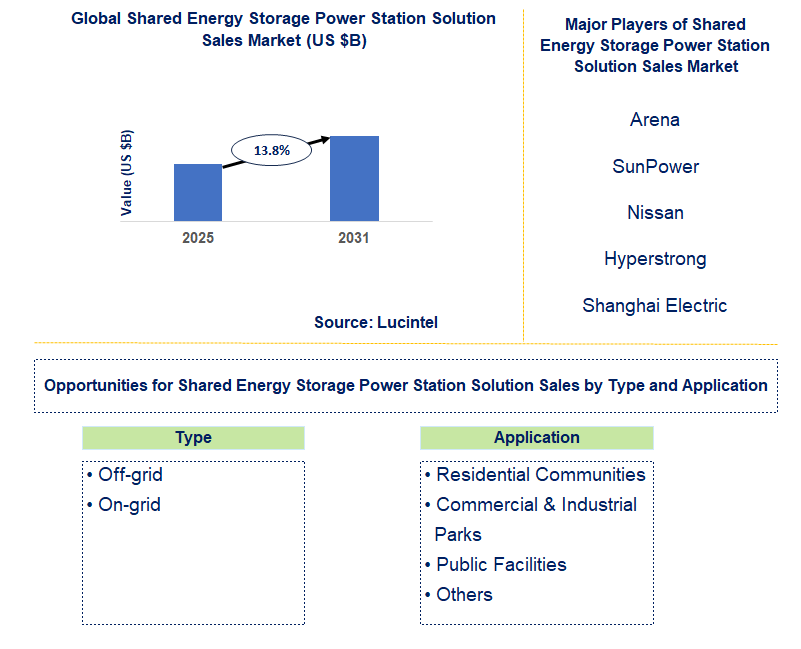
Key data points: The growth forecast = 13.8% annually for the next 7 years. Scroll below to get more insights. This market report covers Trends, opportunities and forecasts in shared energy storage power station solution sales market to 2031 by type (off-grid and on-grid), application (residential communities, commercial & industrial parks, public facilities, and others), and region (North America, Europe, Asia Pacific, and the Rest of the World)
We'll send your sample report shortly.
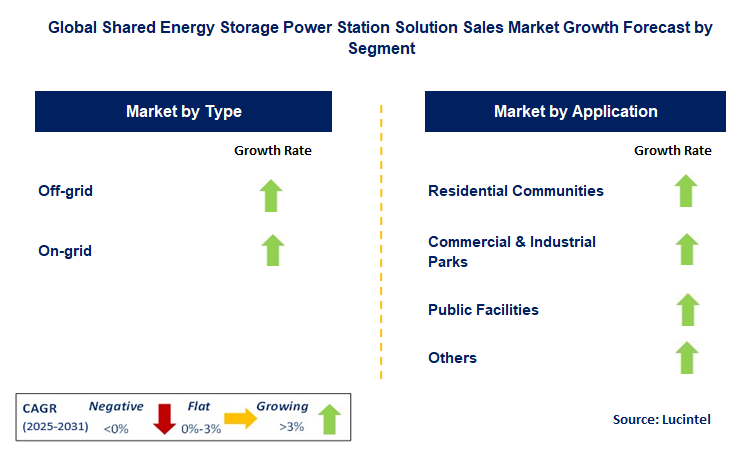
• Lucintel forecasts that, within the type category, off-grid is expected to witness higher growth over the forecast period due to the increasing demand for energy independence.
• Within the application category, commercial & industrial park is expected to witness the highest growth due to the rising needs for large-scale energy.
• In terms of region, APAC is expected to witness the highest growth over the forecast period due to the increasing demand energy in this region.
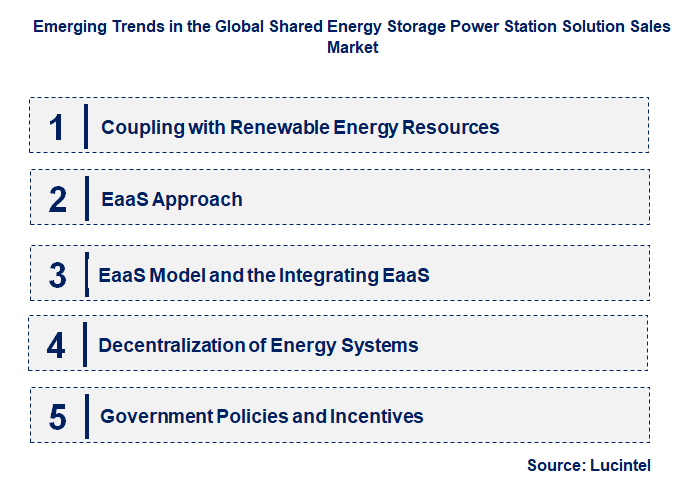
• Coupling with Renewable Energy Resources: One important trend is the increased coupling of shared energy storage services with renewables like wind and solar. With enhanced share of renewables in the energy mix, the need for energy storage systems to manage supply and demand becomes increasingly critical. Shared energy storage solutions improve the management of intermittent renewables and improve grid stability by enabling consumers to store energy during peak production times. This trend also promotes the sustainable management of energy and provides opportunities for innovative cost-effective solutions for managing distributed energy resources.
• EaaS Approach: Energy-as-a-Service (EaaS) is becoming a new trend in the collaborative energy storage sector. In the EaaS model, customers do not need to make any upfront payments to purchase energy storage systems. Customers simply pay a subscription fee or a fee based on actual energy stored. This transitioning of businesses towards EaaS makes it easier for both business and residential users to take advantage of the energy storage systems without high maintenance costs and avoiding high initial costs. This model leads to increased acceptance towards shared energy storage system Why? – because it is more affordable and flexible.
• EaaS Model and the Integrating EaaS: Changes in battery technologies, such as solid-state batteries and improvements in lithium-ion batteries, are continuously evolving and so the energy storage solutions will become more lightweight, long-lasting, and cost effective. With an increase in output and efficiency, the energy storage systems undergo less wear and tear over time. Additionally, there is a wider variety of energy storage systems available with quick advancements in energy storage technology, making them more economically affordable and increasing access to a greater number of consumers which stimulates growth in the market.
• Decentralization of Energy Systems: The shift toward decentralized energy generation and storage is becoming more evident, especially in urban and remote regions. Collective energy storage stations allow a greater number of users to store energy collectively, thus decreasing reliance on central utility suppliers. This shift supports the prosumer concept, allowing for self-sufficient individuals or businesses that both produce and consume energy. Furthermore, decentralization enhances energy security and grid resilience because there is less dependency on large-scale, centralized power plants, which increases energy access in poorly-served areas.
• Government Policies and Incentives: Policies targeted at reducing carbon emissions are today driving the adoption of shared energy storage solutions. For instance, subsidies, tax exemptions, and other financial incentives aimed at renewable energy and energy storage projects are expanding faster than expected. Other policies that promote the adoption of green technologies and lower the carbon footprints are likely to boost the demand for shared energy storage facilities. There are many governments now that aim to subsidize the regional infrastructure development and provide financial rewards for the energy storage device’s installation in order to widen the market. The combination of technological, economical, and regulatory components disrupting the shared energy storage market focuses on sustainability, innovation, and cost effectiveness. Key market development drivers include the integration of renewable energy resources, energy-as-a-service models, technology advancement, energy decentralization, and government subsidies. The market for shared energy storage solutions will continue to advance alongside these market developments toward an optimal solution that supports the multi-directional and sustainable system of energy services delivery.
• Integration of New Battery Technologies: One of the key changes in the shared energy storage market is the adoption of new battery technologies. As battery performance has improved, energy storage systems have become more efficient and durable over time. Innovations like solid-state batteries and next-gen lithium-ion batteries have higher energy density and lower operational costs. It is vital that these advancements are made to ensure that shared energy storage systems can adequately respond to the escalating need for energy storage, especially given the shift towards a greater use of renewable energies.
• Higher Demand from Consumers for Energy Storage with Smart Grid Capability: There is an increased demand from consumers for energy storage systems that are compatible with smart grids. This development stems from the need to have more control, higher efficiency, and higher dependability from energy systems. By providing smart grid capable storage solutions, users are able to manage their demand-side energy consumption more effectively and maximize savings. The shift towards intelligent integration also enables accurate load- marking for the shared energy storage stations, thus contributing to the stability of power systems.
• Growth of Peer-to-Peer Energy Sharing Platforms: All of these developments culminate in the growth of peer-to-peer (P2P) energy sharing platforms. Here, people or businesses with energy storage appliances can share excess energy with others who have the need for it. This model enhances the exchange of stored energy, leads to lower waste, and improves cost efficiency in an energy market. P2P platforms make it possible for communities to come together facilitates the creation of a collaborative energy marketplace and helps in the effective utilization of shared energy storage systems.
• Move Towards Modular and Sophisticated Storage Systems: The advanced trend of modular and sophisticated solutions in storage systems is now noticeable to a lot of people. With modular systems, it is possible to adjust storage volume to the energy consumption requirements of the client. This defines a new level of economy and flexibility in the sector. This is particularly appealing to commercial and industrial customers who require larger quantities during peak usage. These storage units can be freely used in small and big energy storage systems making them suitable for the majority of economical branches.
• California's New Partnership: Energy Storage Providers and Utility Companies: The collaboration between storage companies and utility firms is a key trend for the future of the shared energy storage industry. These companies are able to integrate storage devices into utility grids, thus improving grid stability. Utilities, in turn, are taking advantage of these agreements to relieve stress on infrastructure while ensuring a reliable distribution of energy. These partnerships will facilitate the adoption of energy storage systems worldwide as more and more utilities use shared energy storage systems. The dynamics in the market around the shared energy storage power stations are indicative of the evolution towards more sophisticated, comprehensive, and versatile energy storage options. The growth of most advanced battery technologies, smart grid interface, energy sharing between peers, modular storage system, and alliances will all be important for the acceleration of the market. With such developments, the shared energy storage market has the potential to contribute significantly for the world’s transition towards more sustainable and efficient energy systems.
• Residential Energy Storage Systems: The demand for residential energy storage systems is increasing as consumers attempt to manage their energy usage. These systems enable a household to store energy from solar panels and the grid for future usage. More households are adopting shared energy storage systems with the lower price of batteries and greater desire for energy self-sufficiency. This trend creates significant growth opportunities for companies offering scalable, easy-to-install storage systems tailored to residential needs.
• Commercial and Industrial Energy Storage Solutions: Energy storage technology can be beneficial in the commercial and industrial sectors. Reduction of energy cost, improved energy reliability, and less demand charges are some reasons why these sectors are adopting energy storage technologies. Shared energy storage systems allow businesses to save energy during non-peak hours and use it during peak hours, which leads to savings. This segment can grow further because many companies are working towards achieving operational efficiency and sustainability goals.
• Microgrid Development: This is a new area that is developing in the market of shared energy storage. Microgrids can function independently from the main grid, however, they do depend greatly on energy storage systems. Shared energy storage solutions can help facilitate the successful implementation of microgrids in urban as well as remote areas. This opportunity stems from the growing need for regions with frequent power outages to have autonomous and resilient energy systems.
• Utility Scale Energy Projects: Energy storage projects at a utility scale represent the biggest area of growth for shared energy storage. These systems enable utility companies to store significant quantities of energy for purposes such as grid stabilization, renewable energy storage, and responding to energy demand. Shared storage solutions are becoming more important in addressing the intermittency of renewable energy sources like solar and wind. Through the continued advancement of infrastructure development and technology, utility scale energy storage projects will increasingly be important in changing global energy systems for the better.
• Energy Trading and Virtual Power Plants: The idea of energy trading and virtual power plants (VPPs) is becoming popular, creating new prospects for utilizing shared energy storage systems. VPPs combine various forms of decentralized energy, including energy storage facilities, to sell energy to the grid or offer other services. Shared storage solutions can be designed in such a way that users of VPPs can sell stored energy or use it to provide grid support services. Shared energy systems are expected to increase participation in energy markets, making the energy system more efficient than before. There is a good chance that an even greater amount of growth in the adoption of the shared energy storage power station solution will be experienced in other areas of application such as residential and utility scale energy storage. Areas with potential growth include microgrid development, commercial and industrial energy storage, as well as energy trading through virtual power plants. New growth opportunities stem from the increasing need for energy storage solutions, which will drive innovation in the industry and profoundly shape it in the next years to come.
• Arena
• SunPower
• Nissan
• Hyperstrong
• Shanghai Electric
• Tesla
• Siemens
• Off-grid
• On-grid
• Residential Communities
• Commercial & Industrial Parks
• Public Facilities
• Others
• North America
• Europe
• Asia Pacific
• The Rest of the World
• USA: Together with other markets, the shared energy power solutions market is gaining traction in the U.S streams as the need for renewable energy sources, balanced grids and shared storage bombs rises. State and Federal energy storage policies have begun funding advanced technologies such as lithium-ion batteries and virtual power plants. EVs will further bolster storage demand as the vehicles can easily hook up to storage and reuse power systems. More decarbonization storage projects are anticipated to surface in the U.S. in order support grid decarbonization.
• China: It's no secret that China leads the world in developing energy storage and sharing power stations is fundamental to their carbon neutrality and renewable energy integration goals. China's energy storage systems growth has been driven by strong government support in the form of subsidies, policy incentives, and national energy security plans. There are also major investments in advanced storage technologies such as Flow Batteries and Solid State Storage Charging. These innovations will help achieve China's aggressive renewable energy goals as well as increase the resiliency of the grid.
• Germany: Germany has taken the lead of the energy transition and now looks to integrate energy storage solutions into the power grid. Rapid advance of Wind and Solar energy has recently created a new opportunity for shared energy storage in Germany. Continued government policy frameworks for private and public investment in energy storage systems encourages further development. There is increased focus on decentralized storage network and community energy storage systems for improved energy access and enhanced grid reliability.
• India: The rapidly increasing demand for energy, alongside persistent issues regarding grids and a push towards renewable energy adoption, has resulted in the growth of energy storage in India. To meet renewable energy targets, the Indian government is supplanting shared energy storage solutions. A few large storage projects have been commenced to enhance grid stability due to the challenges of renewable energy sources being available intermittently. India is also focusing on reducing the high energy storage costs, with several domestic companies innovating cost effective storage technologies for local and international markets.
• Japan: Japan's energy storage markets, like those in other regions, have been influenced by the need to establish energy independence after the Fukushima disaster. The government is focusing on energy storage systems which improve reliability of the grid and support integration of renewable energy systems. Urban and rural areas are being targeted for the implementation of shared energy storage solutions which can facilitate decentralized energy distribution. Japan is also leading in the development of solid-state batteries and advanced control systems which will add a new level of efficiency and scalability to energy storage applications.


• Arena
• SunPower
• Nissan
• Hyperstrong
• Shanghai Electric
• Tesla
• Siemens Q5. Which shared energy storage power station solution sales market segment will be the largest in future? Answer: Lucintel forecasts that, within the type category, off-grid is expected to witness higher growth over the forecast period due to the increasing demand for energy independence. Q6. In shared energy storage power station solution sales market, which region is expected to be the largest in next 5 years? Answer: In terms of region, APAC is expected to witness the highest growth over the forecast period due to the increasing demand energy in this region. Q7. Do we receive customization in this report? Answer: Yes, Lucintel provides 10% customization without any additional cost.


Choose a license that fits your team. Instant PDF delivery.
Prices exclude taxes. Instant delivery. Custom licensing available on request.
Market Report · July 22, 2026
Market Report · July 22, 2026
Market Report · July 17, 2026
Trusted partner for strategic intelligence and business growth


Receive a complimentary market analysis tailored to your industry. Our analysts will identify key growth opportunities and competitive dynamics specific to your business.

Market size, growth rate, and key trend analysis for your specific sector.

Top competitor positioning and market share analysis.

Strategic recommendations backed by data-driven insights.
Get curated market intelligence and competitive moves straight to your inbox.
By subscribing, you agree to receive our monthly insights. Unsubscribe anytime.
Receive a complimentary market analysis tailored to your industry. Our analysts will identify key growth opportunities and competitive dynamics specific to your business.
Market size, growth rate, and key trend analysis for your specific sector.
Top competitor positioning and market share analysis.
Strategic recommendations backed by data-driven insights.
Get curated market intelligence, emerging trends, and competitive moves straight to your inbox each month.
By subscribing, you agree to receive our monthly insights. Unsubscribe anytime.
We'll send your sample report shortly.