
Market Report · May 18, 2026

This market report covers trends, opportunities, and forecasts in the global satellite tt&c system market to 2031 by technology (ground tt&c systems and spaceborne tt&c systems), application (shipping, energy, government, mining, medical, security, agricultural, retail, and others), and region (North America, Europe, Asia Pacific, and the Rest of the World)
We'll send your sample report shortly.
• Transition to Software-Defined Radio (SDR): There is a rapid adoption of software-defined radio technologies, allowing for more flexible, scalable, and cost-effective satellite communication. SDR allows for more adaptable and programmable systems, making operations more efficient.
• Integration with the Internet of Things (IoT): The integration of IoT with Satellite TT&C Systems is generating more efficient data management systems for applications like smart agriculture, energy, and transportation. This integration will allow for real-time monitoring and much more streamlined control of satellites, thereby enhancing data transmission.
• AI and Machine Learning for Predictive Maintenance: The use of artificial intelligence and machine learning is emerging as a key trend for predictive maintenance. These technologies help predict and prevent potential failures in satellite systems, improving operational uptime and reducing maintenance costs.
• Miniaturization of Satellite Systems: The market is shifting towards smaller, more compact satellite systems such as CubeSats and smallsats. Advanced TT&C systems are needed to ensure reliable and efficient communication for these smaller satellites, leading to innovations in ground control and satellite management.
• Increased Adoption of Hybrid Communication Systems: Satellite TT&C systems are increasingly adopting hybrid communication models that combine traditional radio frequency (RF) systems with optical communication. Hybrid systems offer higher bandwidth, improved data rates, and more secure communication channels for satellite operations. The technological trends are driving the satellite TT&C system market toward greater flexibility, automation, and efficiency to improve the overall performance and reliability of satellite operations across various applications.
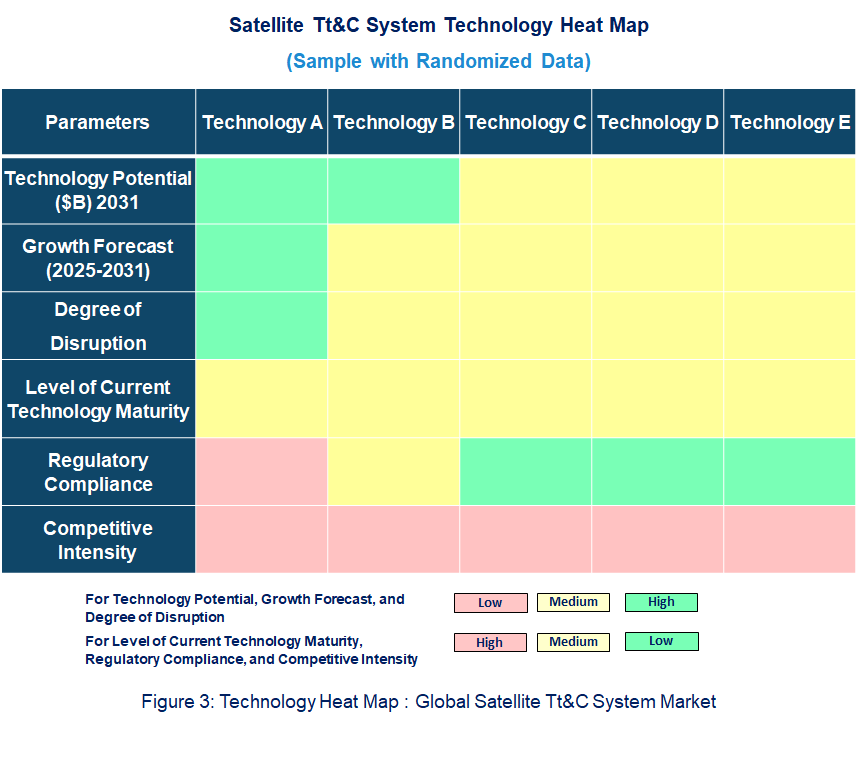
• Technology Potential: TT&C technologies have great potential to support increasingly complex satellite operations, such as large constellations, inter-satellite communication, and real-time data processing. Emerging technologies like AI, machine learning, and advanced sensors can enhance satellite autonomy, operational efficiency, and mission capabilities.
• Degree of Disruption: The disruption in TT&C systems is moderate to high. It is being triggered by innovations in SDR, cloud-based control systems, and autonomous satellite systems. These technologies can help reduce operational costs and enhance satellite performance, thereby changing traditional satellite communication infrastructures.
• Current Level of Maturity in the Technology: TT&C systems have reached a very high level of maturity in the satellite tracking and telemetry domain. However, areas like full automation with the next generation of satellite constellations are still under development, so there is room for continued innovation.
• Regulatory Compliance: The regulatory environment for satellite TT&C is stringent, with agencies like the FCC, ITU, and national space agencies setting guidelines to ensure safe and secure satellite operations. Compliance with these regulations is essential for the global deployment of these systems. The satellite TT&C system market is positioned for growth, with ongoing technological advancements driving efficiency and regulatory challenges ensuring safe operations.
• Orbcomm: Orbcomm develops solutions with the help of low Earth orbit (LEO) satellite constellations. The LEO constellation is expanding and providing increased worldwide efficient transmission of data while strengthening the capabilities of its satellite TT&C systems for IoT applications used in shipping and agriculture.
• Inmarsat Communications: Inmarsat has launched its I-5 F4 satellite, which enhances broadband communication capabilities for mobile and fixed satellite services. This advancement is bolstered by sophisticated TT&C systems, ensuring high levels of uptime and reliability for critical global services, particularly in aviation and maritime sectors.
• Iridium Communications: The new NEXT satellite constellation by Iridium, along with advanced TT&C technologies, offers global communication services that are unparalleled in reliability. Their system upgrades support voice and data services, improving the efficiency of satellite monitoring and management operations.
• Globalstar: Globalstar continues to expand its satellite network, optimizing TT&C systems for better performance in remote locations. The company has recently concentrated efforts on improving its LEO satellites for stronger and more efficient satellite tracking and control solutions in the energy and agricultural sectors.
• Kore Telematics: Kore Telematics provides robust approaches to integrate satellite TT&C systems with IoT applications. They offer reliable and scalable solutions, especially in asset tracking and monitoring over long distances. The progress and development of hybrid communication systems are making these services more cost-effective and scalable.
• Rogers Communications: Rogers has teamed up with satellite operators to enhance satellite TT&C services for the North American market. Their developments in deploying 5G services in conjunction with satellite networks allow better connectivity for remote and underserved areas, with improved tracking and monitoring systems.
• Hughes Network Systems: Hughes has recently upgraded its satellite network with advanced TT&C systems that enable high-throughput communication, especially in remote areas. Innovations in the company are making it possible to offer more reliable internet and communication services in sectors such as defense and energy.
• Orange: Orange has made massive investments in satellite-based communications for both telecommunications and IoT. Their developments in satellite TT&C systems focus on improving mobile connectivity in rural and underserved areas using hybrid satellite-terrestrial models to improve data transmission speeds.
• Viasat: Viasat has been launching its next-generation satellites with advanced TT&C technologies that ensure optimal operation of the satellites. The company focuses on satellite broadband connectivity worldwide by employing sophisticated TT&C to keep the system operational and meet demand.
• Teliasonera: The company is expanding its satellite communication capabilities through the development of next-generation TT&C systems. These systems are designed to optimize the flow of satellite data to enhance real-time communications for clients in maritime and logistics. Their approach to digital integration has boosted satellite performance in numerous applications. These innovations by major players highlight continuous advancements in satellite TT&C systems, particularly in flexibility, global connectivity, and the integration of new-generation technologies like IoT and 5G.
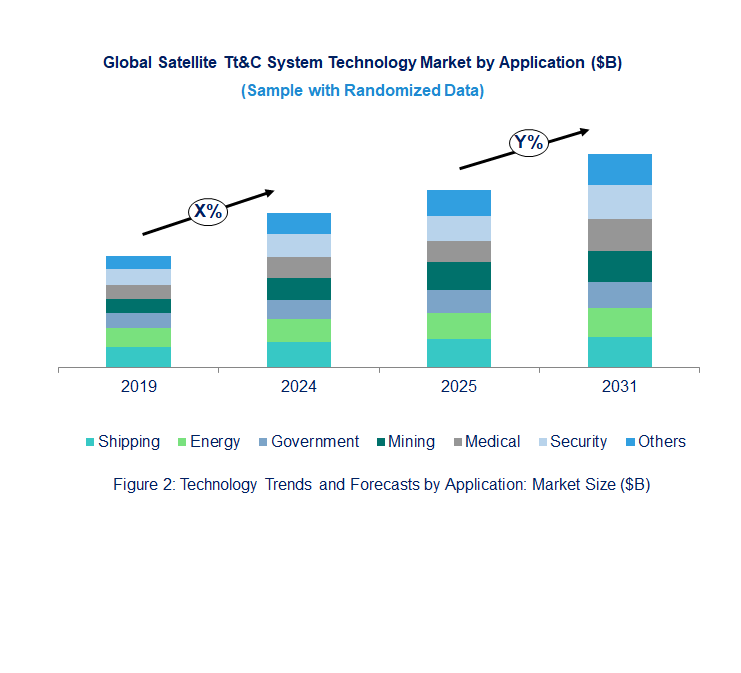
• Increased Demand for IoT Connectivity: The growing demand for IoT applications across sectors like agriculture, energy, and healthcare is driving the need for advanced satellite TT&C systems. These systems provide global connectivity for remote monitoring and control, facilitating real-time data management.
• Advances in Satellite Constellations: LEO, MEO, and GEO satellite constellations are leading the market. Reliable tracking and communication, facilitated by advanced TT&C systems, enable fast data transmission and higher bandwidth globally.
• Government Initiatives and Space Exploration: Governments worldwide are investing heavily in space exploration and satellite infrastructure, which increases the demand for robust TT&C systems. Investment in both satellite communication and control technologies is driving growth in sectors such as defense, communication, and Earth observation.
• Demand for Enhanced Connectivity in Remote Areas: Satellite communication systems are increasingly used to bridge the digital divide in remote and underserved regions. The demand for consistent, high-speed communication in these areas is driving the growth of satellite TT&C systems, ensuring reliable service in hard-to-reach locations. Challenges in the satellite TT&C system market include:
• High Infrastructure and Operational Costs: One of the major issues facing the Satellite TT&C System Market is the high infrastructure and operational costs of constructing and maintaining satellites. These higher costs pose a barrier to entry for newer companies, potentially hindering competition and growth in certain regions.
• Regulatory and Spectrum Management Issues: The Satellite TT&C market is plagued by regulatory issues regarding frequency spectrum allocation and international standards compliance. The complex nature of the regulatory environment surrounding satellite communications can delay the implementation of new systems and technologies.
• Vulnerability to Space Debris: With the increasing number of satellites in orbit, the risk of collisions with space debris also increases. This poses challenges for satellite operators, as the development of sophisticated tracking and collision avoidance systems is necessary to ensure satellite safety and minimize operational disruptions. These drivers and challenges create both opportunities and risks for the satellite TT&C system market. With rising demand in satellite communication, especially in IoT, space exploration, and remote connectivity, advanced TT&C systems will play an important role in ensuring the reliable and efficient operation of satellites. However, the high costs, regulatory issues, and space debris pose challenges, requiring players in the market to focus on the sustainable development of the sector.
• Orbcomm
• Inmarsat Communications
• Iridium Communications
• Globalstar
• Kore Telematics
• Rogers Communications
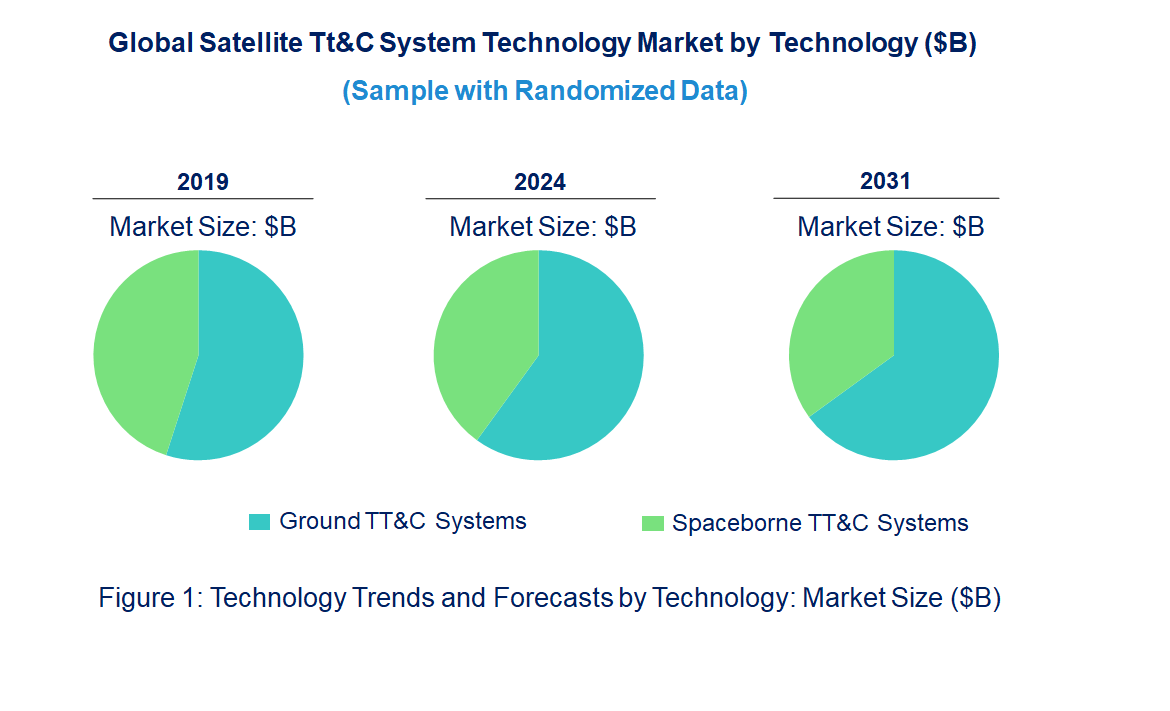
• Technology Readiness by Technology Type: Ground TT&C systems are mature, highly competitive, and compliant with international regulations, supporting satellite control and monitoring. Spaceborne TT&C systems are less mature and application-dependent, but they offer advantages in reduced latency and autonomy. Ground systems dominate satellite launches and monitoring, whereas spaceborne systems play a key role in continuous communication and management of satellite constellations. Both technologies are evolving to meet new demands in satellite communications.
• Disruption Potential of Different Technologies: Ground TT&C systems are critical to the control of satellites, but their range and latency severely limit their use. Spaceborne TT&C systems, on the other hand, provide real-time data relay and global coverage, minimizing reliance on ground infrastructure. Such systems, particularly those based on LEO and GEO orbits, will ensure constant monitoring, while AI and machine learning improve efficiency through automation. Spaceborne technologies will likely disrupt the satellite TT&C market by offering more flexible and seamless operations.
• Competitive Intensity and Regulatory Compliance: The satellite TT&C system market is highly competitive with ground systems, but ground systems are being challenged by spaceborne technologies offering lower latency and greater flexibility. Strict regulatory compliance is required, especially for spaceborne systems, which must adhere to international space laws, frequency allocations, and coordination with space agencies. Commercial companies complicate the regulatory environment, necessitating careful adherence to global standards for spectrum and security management.
• Ground TT&C Systems
• Spaceborne TT&C Systems
• Shipping
• Energy
• Government
• Mining
• Medical
• Security
• Agricultural
• Retail
• Others
• North America
• Europe
• Asia Pacific
• The Rest of the World
• Latest Developments and Innovations in the Satellite Tt&C System Technologies
• Companies / Ecosystems
• Strategic Opportunities by Technology Type


Choose a license that fits your team. Instant PDF delivery.
Prices exclude taxes. Instant delivery. Custom licensing available on request.
Market Report · May 18, 2026
Market Report · May 18, 2026
Market Report · May 18, 2026
Trusted partner for strategic intelligence and business growth


Receive a complimentary market analysis tailored to your industry. Our analysts will identify key growth opportunities and competitive dynamics specific to your business.

Market size, growth rate, and key trend analysis for your specific sector.

Top competitor positioning and market share analysis.

Strategic recommendations backed by data-driven insights.
Get curated market intelligence and competitive moves straight to your inbox.
By subscribing, you agree to receive our monthly insights. Unsubscribe anytime.
Receive a complimentary market analysis tailored to your industry. Our analysts will identify key growth opportunities and competitive dynamics specific to your business.
Market size, growth rate, and key trend analysis for your specific sector.
Top competitor positioning and market share analysis.
Strategic recommendations backed by data-driven insights.
Get curated market intelligence, emerging trends, and competitive moves straight to your inbox each month.
By subscribing, you agree to receive our monthly insights. Unsubscribe anytime.
We'll send your sample report shortly.