
Market Report · July 15, 2026

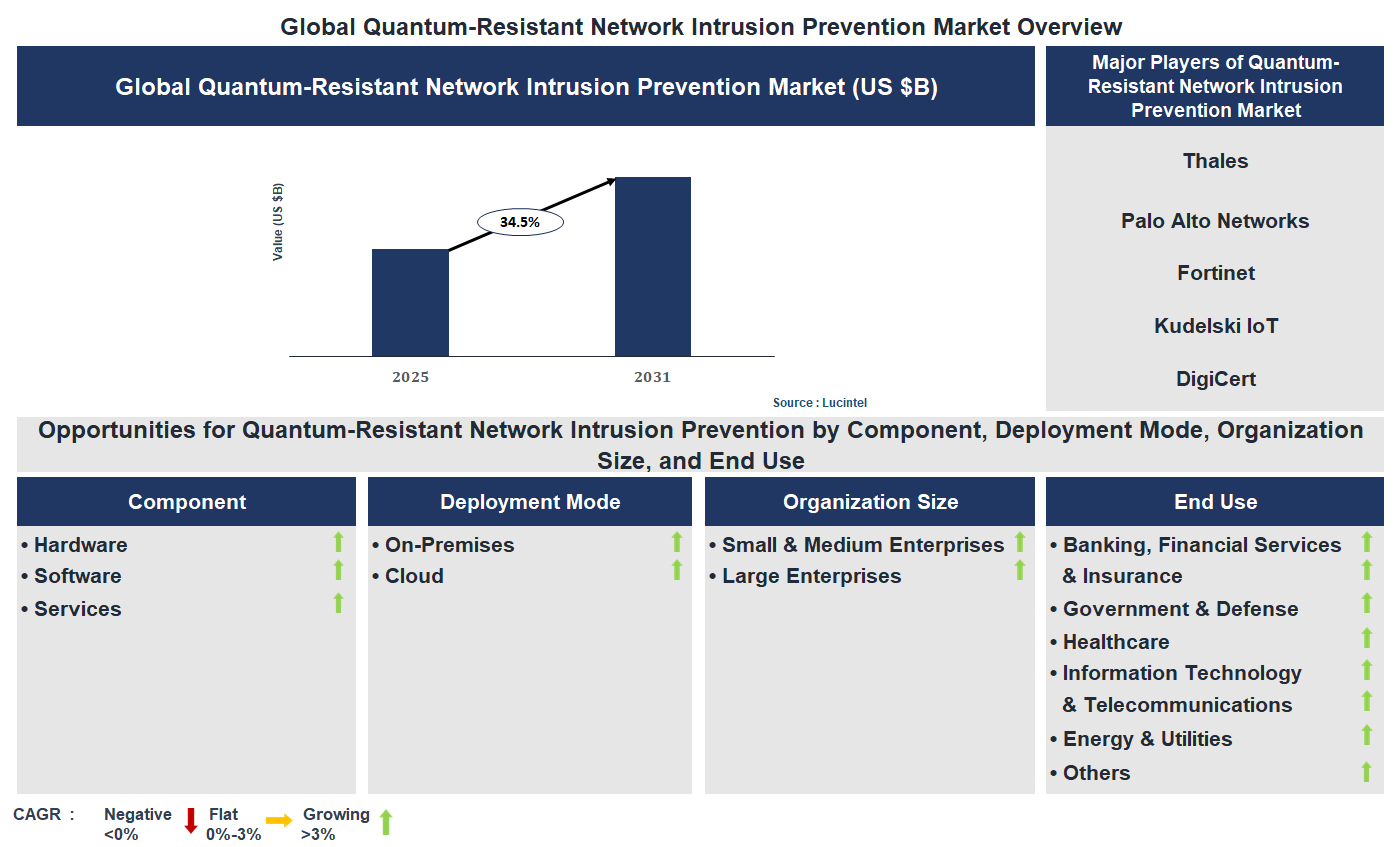
Key data points: The growth forecast = 34.5% annually for the next 7 years. Scroll below to get more insights. This market report covers trends, opportunities and forecasts in quantum-resistant network intrusion prevention market to 2031 by component (hardware, software, and services), deployment mode (on-premises and cloud), organization size (small & medium enterprises and large enterprises), end use (banking, financial services, & insurance, government & defense, healthcare, information technology & telecommunications, energy & utilities, and others), and region (North America, Europe, Asia Pacific, and the Rest of the World)
We'll send your sample report shortly.
• Lucintel forecasts that, within the component category, software is expected to witness the highest growth over the forecast period.
• Within the end use category, banking, financial services, & insurance is expected to witness the highest growth.
• In terms of region, North America is expected to witness the highest growth over the forecast period. Gain valuable insights for your business decisions with our comprehensive 150+ page report. Sample figures with some insights are shown below.
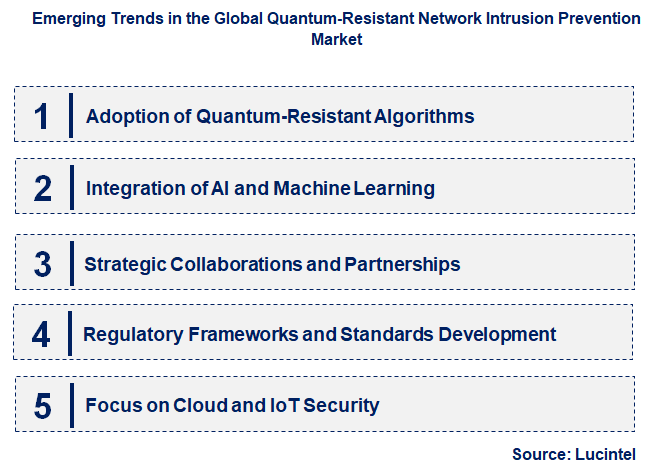
• Adoption of Quantum-Resistant Algorithms: : Organizations are increasingly implementing quantum-resistant cryptographic algorithms such as lattice-based, hash-based, and multivariate cryptography to safeguard data against quantum attacks. This shift is driven by the imminent threat posed by quantum computers capable of breaking classical encryption methods. The adoption of these algorithms enhances the security posture of networks, ensuring data integrity and confidentiality in a post-quantum world. As standards evolve, widespread implementation will become critical for future-proofing cybersecurity infrastructure.
• Integration of AI and Machine Learning: : The integration of artificial intelligence (AI) and machine learning (ML) with quantum-resistant intrusion prevention systems is gaining momentum. These technologies enable real-time threat detection, anomaly analysis, and adaptive response mechanisms. AI-driven solutions can identify sophisticated attack patterns that traditional systems might miss, especially in complex quantum-resistant environments. This synergy improves the accuracy and speed of intrusion detection, reducing false positives and enhancing overall network security, thereby making defenses more resilient against emerging threats.
• Strategic Collaborations and Partnerships: : Major cybersecurity firms, quantum technology developers, and government agencies are forming strategic alliances to accelerate the development and deployment of quantum-resistant solutions. These collaborations facilitate knowledge sharing, standardization efforts, and joint research initiatives. By pooling resources and expertise, stakeholders can address technical challenges more effectively and promote widespread adoption. Such partnerships are vital for establishing industry standards and ensuring interoperability of quantum-safe security products across diverse network environments.
• Regulatory Frameworks and Standards Development: : Governments and international organizations are actively working on establishing regulatory frameworks and standards for quantum-resistant cybersecurity. These guidelines aim to ensure consistent implementation, testing, and certification of quantum-safe solutions. Regulatory support encourages organizations to prioritize quantum-resistant measures, fostering a proactive security culture. The development of standards also facilitates market growth by providing clear benchmarks for product performance and security assurance, ultimately accelerating the adoption of quantum-resistant intrusion prevention systems.
• Focus on Cloud and IoT Security: : The proliferation of cloud computing and Internet of Things (IoT) devices has increased the attack surface, necessitating quantum-resistant security solutions tailored for these environments. Vendors are developing lightweight, scalable intrusion prevention systems compatible with cloud platforms and IoT devices. Ensuring quantum safety in these sectors is critical due to their widespread use and sensitivity. This trend emphasizes the importance of integrating quantum-resistant measures into cloud and IoT security architectures, safeguarding data and devices from future quantum-enabled cyber threats. In summary, these trends are collectively transforming the quantum-resistant network intrusion prevention market by fostering innovation, standardization, and strategic collaboration. They are enabling organizations to build resilient cybersecurity defenses capable of countering the threats posed by quantum computing advancements. As these developments mature, they will redefine best practices, ensuring data security and network integrity in an increasingly quantum-enabled digital landscape.
• Adoption of Quantum-Resistant Algorithms: Organizations are increasingly implementing quantum-resistant cryptographic algorithms to protect data. This shift ensures security against potential quantum computing attacks, enhancing overall network resilience. The adoption is driven by government mandates and industry standards, fostering trust in quantum-safe solutions. This development significantly impacts market growth by expanding the customer base and encouraging innovation in cryptography.
• Strategic Collaborations and Partnerships: Major cybersecurity firms are forming alliances with quantum technology providers to develop integrated intrusion prevention solutions. These collaborations accelerate the deployment of quantum-resistant systems and facilitate knowledge sharing. Such partnerships enhance product offerings and market reach, fostering competitive advantages. They also promote standardization efforts, which are crucial for widespread adoption and market stability.
• Increased Investment in R&D: Companies and governments are investing heavily in research and development to create advanced quantum-resistant intrusion prevention systems. This investment aims to address emerging threats and improve detection capabilities. R&D efforts are leading to the development of more sophisticated algorithms and hardware solutions, boosting market innovation. This trend ensures the market remains at the forefront of technological advancements, attracting more stakeholders.
• Regulatory Frameworks and Standards: Governments and international bodies are establishing regulations and standards for quantum-safe cybersecurity measures. These frameworks mandate the adoption of quantum-resistant solutions in critical infrastructure and sensitive sectors. The regulatory environment is driving market growth by creating compliance requirements and increasing demand for certified products. It also fosters trust among users and stakeholders, ensuring broader acceptance of quantum-resistant intrusion prevention systems.
• Market Expansion Across Sectors: The market is expanding beyond traditional IT and financial sectors into healthcare, government, and critical infrastructure. This diversification is driven by the increasing need for secure communication channels and data protection. Sector-specific solutions are being developed to meet unique requirements, broadening market opportunities. This expansion enhances overall market size and encourages innovation tailored to various industry needs. In summary, these developments are significantly impacting the quantum-resistant network intrusion prevention market by fostering innovation, increasing adoption, and establishing regulatory standards. The market is becoming more robust and prepared for future quantum threats, ensuring enhanced cybersecurity resilience across multiple sectors.
• Enhanced Data Security : Financial institutions require robust protection for sensitive transactions and customer data. Quantum-resistant intrusion prevention solutions will provide a secure environment against future quantum-enabled cyberattacks, maintaining trust and compliance with regulations.
• Protecting Patient Data : As healthcare data becomes increasingly digitized, the need for advanced security grows. Quantum-resistant solutions will safeguard electronic health records and medical devices from emerging threats, ensuring patient privacy and data integrity.
• Securing National Security : Governments need to protect classified information and communication channels. Quantum-resistant intrusion prevention will strengthen national security infrastructure against sophisticated quantum-enabled cyber threats.
• Securing Communication Networks : Telecom providers will adopt quantum-resistant security to protect data transmission across networks. This will ensure the integrity and confidentiality of voice, data, and internet services amid evolving cyber risks.
• Safeguarding Essential Services : Critical infrastructure sectors such as energy, transportation, and water supply will benefit from quantum-resistant intrusion prevention. These solutions will help prevent disruptions caused by cyberattacks exploiting quantum vulnerabilities. In summary, these growth opportunities are significantly impacting the quantum-resistant network intrusion prevention market by driving innovation and adoption across vital sectors. As quantum computing progresses, the demand for resilient security solutions will accelerate, fostering market expansion and enhancing global cybersecurity resilience.
• Technological Advancements: Rapid developments in quantum computing and cryptography are pushing the need for quantum-resistant security solutions. As traditional encryption methods become vulnerable, organizations are investing in advanced intrusion prevention systems that can withstand quantum attacks. This technological evolution ensures data integrity and security, fostering market growth. The integration of AI and machine learning further enhances threat detection capabilities, making intrusion prevention more proactive and efficient. The continuous innovation in this space is crucial for staying ahead of sophisticated cyber threats, thereby accelerating market adoption.
• Increasing Cybersecurity Threats: The rising frequency and sophistication of cyberattacks, including ransomware, phishing, and zero-day exploits, are compelling organizations to upgrade their security infrastructure. Quantum-resistant intrusion prevention systems offer a future-proof solution against emerging threats that could compromise sensitive data. As industries such as finance, healthcare, and government become prime targets, the demand for robust security measures intensifies. This growing threat landscape underscores the importance of quantum-resistant solutions, driving market expansion as organizations seek to safeguard their digital assets against evolving cyber risks.
• Regulatory and Compliance Frameworks: Governments worldwide are establishing stringent cybersecurity regulations and standards to protect critical infrastructure and sensitive data. Initiatives like the NIST post-quantum cryptography standards are encouraging organizations to adopt quantum-resistant security measures. Compliance requirements compel businesses to invest in advanced intrusion prevention systems to meet legal obligations, avoid penalties, and maintain trust. These regulatory pressures accelerate market growth by creating a mandatory need for quantum-resistant solutions, especially in sectors handling highly sensitive information.
• Growing Adoption of Cloud and IoT Technologies: The proliferation of cloud computing and Internet of Things (IoT) devices expands the attack surface for cyber threats. Quantum-resistant intrusion prevention systems are essential to secure these interconnected environments against future quantum-enabled attacks. As organizations migrate to cloud platforms and deploy IoT devices, the need for scalable, advanced security solutions becomes critical. This trend fuels market growth by demanding innovative security architectures capable of protecting complex, distributed networks from sophisticated threats, including those posed by quantum computing.
• Rising Investments in Digital Infrastructure: Governments and private enterprises are increasing investments in digital infrastructure to support smart cities, e-governance, and digital transformation initiatives. These investments necessitate robust cybersecurity frameworks, including quantum-resistant intrusion prevention systems, to ensure data security and operational continuity. The focus on building resilient digital ecosystems drives market demand, as organizations seek to future-proof their security infrastructure against quantum-enabled cyber threats. This financial commitment underscores the strategic importance of quantum-resistant solutions in maintaining secure and reliable digital environments. The challenges in the quantum-resistant network intrusion prevention market are:
• High Implementation Costs: Deploying quantum-resistant intrusion prevention systems involves significant financial investment in hardware, software, and skilled personnel. Many organizations, especially small and medium-sized enterprises, find these costs prohibitive, limiting widespread adoption. The expense associated with upgrading existing infrastructure and training staff adds to the financial burden. Consequently, high implementation costs slow down market penetration and restrict the deployment of advanced security solutions across various sectors, potentially leaving some organizations vulnerable to future quantum threats.
• Technological Complexity and Lack of Expertise: Developing and integrating quantum-resistant intrusion prevention solutions require specialized knowledge in quantum computing, cryptography, and cybersecurity. The complexity of these technologies poses challenges for organizations lacking in-house expertise, leading to delays and potential misconfigurations. The scarcity of skilled professionals hampers the effective deployment and management of these systems, creating a barrier to market growth. Overcoming this challenge necessitates extensive training and collaboration between industry players and academia to build a capable workforce.
• Lack of Awareness and Standardization: Many organizations remain unaware of the imminent quantum threat and the importance of adopting quantum-resistant security measures. The absence of universally accepted standards and protocols further complicates decision-making and implementation. Without clear guidelines, companies may hesitate to invest in new solutions, fearing compatibility issues and uncertain ROI. This lack of awareness and standardization impedes market growth, emphasizing the need for industry-wide education and the development of standardized frameworks to facilitate adoption. In summary, the quantum-resistant network intrusion prevention market is driven by technological innovation, increasing cyber threats, regulatory mandates, and the expansion of digital infrastructure. However, high costs, technological complexity, and limited awareness pose significant challenges. These factors collectively influence the pace and scope of market development. As organizations recognize the importance of quantum-resistant security, ongoing advancements and standardization efforts are expected to foster growth. Addressing the challenges through cost reduction, skill development, and awareness campaigns will be crucial for widespread adoption, shaping a resilient cybersecurity landscape capable of countering future quantum-enabled threats.
• Thales
• Palo Alto Networks
• Fortinet
• Kudelski IoT
• DigiCert
• ADTRAN
• QNu Labs Private Limited
• PQShield
• QuintessenceLabs
• MagiQ Technologies
• Hardware
• Software
• Services
• On-Premises
• Cloud
• Small & Medium Enterprises
• Large Enterprises
• Banking, Financial Services, & Insurance
• Government & Defense
• Healthcare
• Information Technology & Telecommunications
• Energy & Utilities
• Others
• North America
• Europe
• Asia Pacific
• The Rest of the World
• United States: The U.S. market is witnessing significant advancements with major tech firms and government agencies investing heavily in quantum-resistant cybersecurity solutions. Initiatives like the National Quantum Initiative Act promote research and development, fostering innovation in intrusion prevention systems. Several startups are emerging, focusing on integrating quantum-resistant algorithms into existing security frameworks. The U.S. government is also collaborating with private companies to develop standards and protocols for quantum-safe networks, aiming to enhance national cybersecurity resilience.
• China: China is rapidly advancing in quantum cybersecurity, with substantial government funding dedicated to quantum communication and encryption projects. The country has launched several pilot programs for quantum key distribution (QKD) and is working on integrating quantum-resistant algorithms into critical infrastructure. Chinese tech giants are actively developing quantum-safe intrusion prevention systems, aiming to establish a leading position in this emerging market. Strategic collaborations between academia and industry are accelerating the deployment of quantum-resistant security solutions across various sectors.
• Germany: Germany is focusing on integrating quantum-resistant technologies within its existing cybersecurity framework, emphasizing industrial and critical infrastructure protection. The government has initiated research programs through organizations like the Fraunhofer Society to develop quantum-safe intrusion prevention systems. German companies are also participating in European Union-funded projects aimed at standardizing quantum cybersecurity protocols. The country’s approach combines public-private partnerships to foster innovation and ensure the security of digital assets against future quantum threats.
• India: India is increasingly investing in quantum cybersecurity research, recognizing its strategic importance. The government has launched initiatives under the National Quantum Mission to develop quantum-resistant encryption and intrusion prevention solutions. Several research institutions and startups are working on quantum-safe algorithms tailored to India’s specific cybersecurity needs. India is also collaborating with international partners to adopt global standards and accelerate the deployment of quantum-resistant networks, aiming to secure its digital infrastructure against emerging quantum threats.
• Japan: Japan is actively developing quantum-resistant cybersecurity technologies, with a focus on protecting financial and governmental data. The government has announced plans to incorporate quantum-safe encryption into national security systems and critical infrastructure. Japanese tech companies are investing in research to create advanced intrusion prevention systems capable of resisting quantum attacks. Japan is also participating in international collaborations to establish global standards for quantum cybersecurity, positioning itself as a leader in this domain.


• Thales
• Palo Alto Networks
• Fortinet
• Kudelski IoT
• DigiCert
• ADTRAN
• QNu Labs Private Limited
• PQShield
• QuintessenceLabs
• MagiQ Technologies Q5. Which quantum-resistant network intrusion prevention market segment will be the largest in future? Answer: Lucintel forecasts that, within the component category, software is expected to witness the highest growth over the forecast period. Q6. In quantum-resistant network intrusion prevention market, which region is expected to be the largest in next 5 years? Answer: In terms of region, North America is expected to witness the highest growth over the forecast period. Q7. Do we receive customization in this report? Answer: Yes, Lucintel provides 10% customization without any additional cost.


Choose a license that fits your team. Instant PDF delivery.
Prices exclude taxes. Instant delivery. Custom licensing available on request.
Market Report · July 15, 2026
Market Report · June 26, 2026
Market Report · June 24, 2026
Trusted partner for strategic intelligence and business growth


Receive a complimentary market analysis tailored to your industry. Our analysts will identify key growth opportunities and competitive dynamics specific to your business.

Market size, growth rate, and key trend analysis for your specific sector.

Top competitor positioning and market share analysis.

Strategic recommendations backed by data-driven insights.
Get curated market intelligence and competitive moves straight to your inbox.
By subscribing, you agree to receive our monthly insights. Unsubscribe anytime.
Receive a complimentary market analysis tailored to your industry. Our analysts will identify key growth opportunities and competitive dynamics specific to your business.
Market size, growth rate, and key trend analysis for your specific sector.
Top competitor positioning and market share analysis.
Strategic recommendations backed by data-driven insights.
Get curated market intelligence, emerging trends, and competitive moves straight to your inbox each month.
By subscribing, you agree to receive our monthly insights. Unsubscribe anytime.
We'll send your sample report shortly.