
Market Report · July 29, 2026

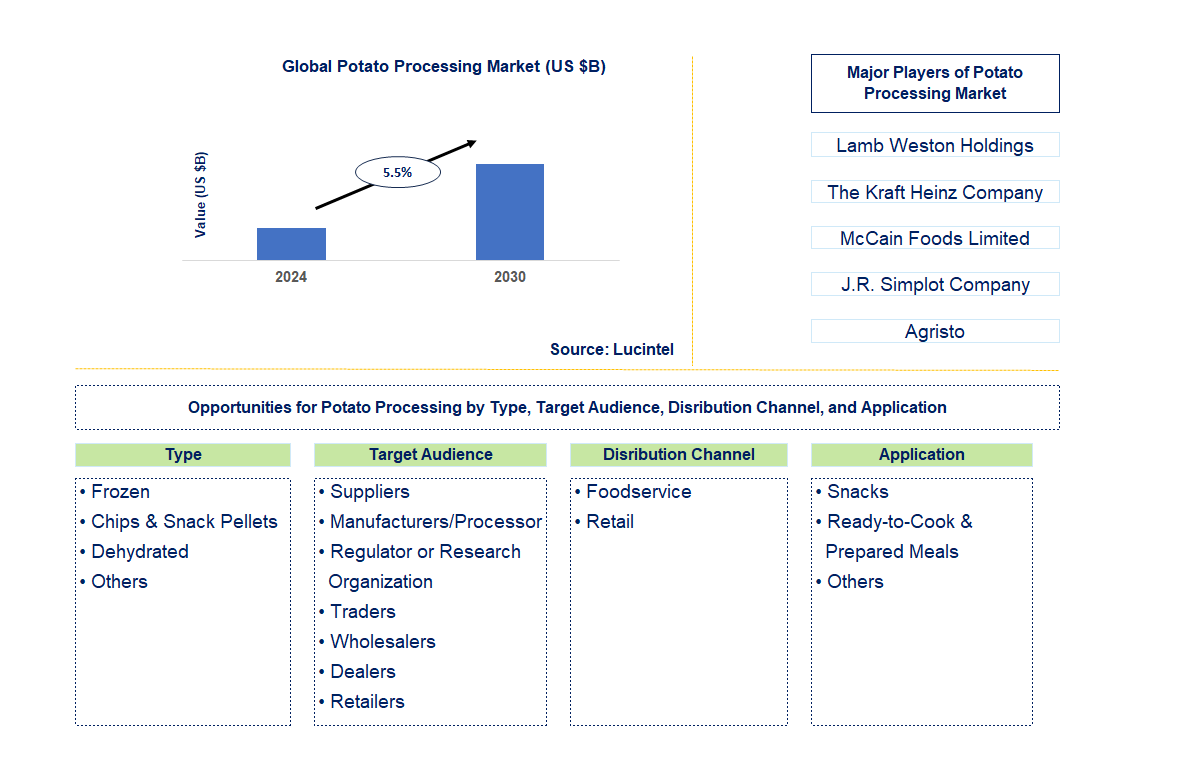
Key data points: The growth forecast = 5.5% annually for the next 6 years. Scroll below to get more insights. This market report covers trends, opportunities, and forecasts in the global potato processing market to 2030 by type (frozen, chips & snack pellets, dehydrated, and others ), target audience (suppliers, manufacturers/processor, regulator or research organization, traders, wholesalers, dealers, and retailers), disribution channel (foodservice and retail), application (snacks, ready-to-cook & prepared meals, and others), and region (North America, Europe, Asia Pacific, and the Rest of the World)
We'll send your sample report shortly.
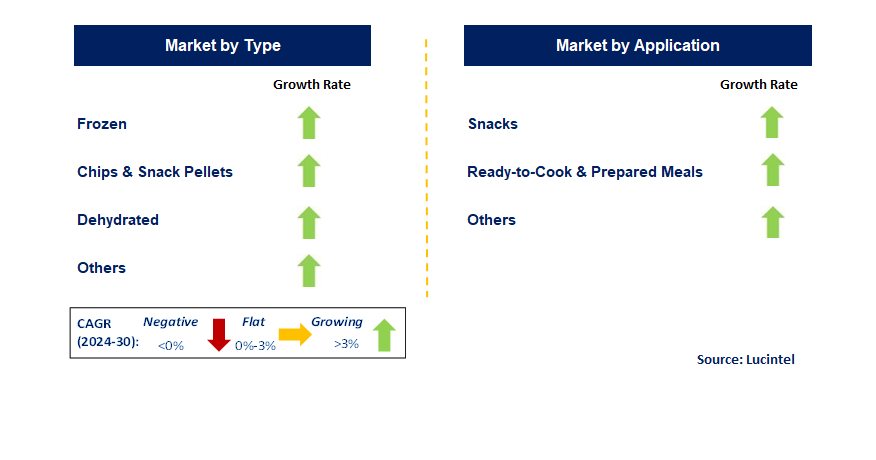
• Lucintel forecasts that, within the type category, frozen will remain the largest segment over the forecast period.
• Within the application category, ready-to-cook & prepared meal will remain a larger segment over the forecast period.
• In terms of regions, Europe will remain the largest region over the forecast period. A more than 150-page report is developed to help in your business decisions.
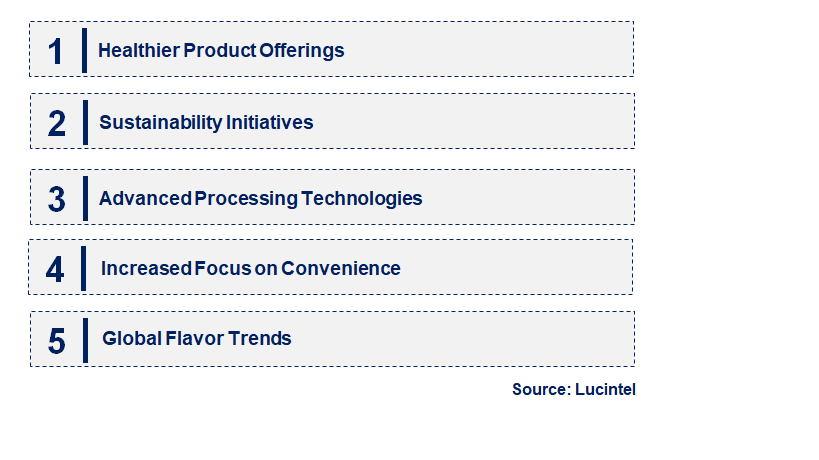
• Healthier Product Offerings: With increasing consumer awareness about health and nutrition, potato processors are focusing on developing products with lower fat, reduced sodium, and clean-label ingredients. This trend includes offering organic options and snacks that cater to dietary restrictions, such as gluten-free or vegan, appealing to a broader audience seeking healthier alternatives.
• Sustainability Initiatives: The push for sustainable practices is transforming potato processing operations. Companies are investing in eco-friendly packaging, waste reduction technologies, and energy-efficient processing methods. By minimizing environmental impact and promoting sustainability, brands are not only meeting regulatory requirements but also attracting environmentally conscious consumers.
• Advanced Processing Technologies: Technological innovations, such as high-pressure processing (HPP) and vacuum frying, are revolutionizing potato processing. These methods preserve flavor and nutrients while extending shelf life. By leveraging advanced technologies, manufacturers can enhance product quality and respond to consumer demand for fresher, more nutritious options.
• Increased Focus on Convenience: As lifestyles become busier, the demand for convenient, ready-to-eat potato products is rising. Processors are introducing single-serve packaging and quick-cooking options, making it easier for consumers to incorporate potatoes into their meals. This trend is particularly evident in frozen and dehydrated products that cater to on-the-go consumption.
• Global Flavor Trends: The potato processing market is diversifying its offerings with global flavors to cater to adventurous eaters. Manufacturers are experimenting with spices, herbs, and regional ingredients to create unique products that appeal to diverse palates. This trend enhances the culinary versatility of potatoes, driving innovation and consumer interest. The potato processing market is evolving rapidly, driven by health trends, sustainability efforts, technological advancements, convenience demands, and global culinary influences. These emerging trends reflect a dynamic industry poised to meet changing consumer preferences while addressing environmental challenges. As processors continue to innovate, the future of potato processing looks promising, offering exciting opportunities for growth and development.
• Investment in Automation: Many potato processing companies are investing in automation technologies to enhance operational efficiency and reduce labor costs. Automated sorting and packing systems improve product quality and consistency while increasing production speed. This shift allows manufacturers to meet rising demand while minimizing waste and maximizing profitability.
• Expansion of Frozen and Ready-to-Eat Products: There has been a marked increase in the production of frozen and ready-to-eat potato products. As consumer lifestyles become busier, the demand for convenient meal options continues to rise. Companies are expanding their frozen product lines, introducing innovative offerings such as frozen mashed potatoes and seasoned fries, catering to the need for quick and easy meal solutions.
• Development of Sustainable Packaging: In response to growing environmental concerns, potato processors are prioritizing the development of sustainable packaging solutions. Many companies are exploring biodegradable and recyclable materials to minimize their ecological footprint. This initiative not only aligns with consumer preferences for environmentally friendly products but also helps companies comply with stricter regulations regarding waste management.
• Focus on Nutritional Enhancement: The market is witnessing a surge in products that emphasize nutritional benefits. Potato processors are enhancing their offerings with added vitamins, minerals, and functional ingredients to appeal to health-conscious consumers. Innovations include fortified potato snacks and ready-to-cook products that prioritize both taste and nutrition, addressing the increasing demand for healthier options.
• Introduction of Regional Flavors: Potato processors are tapping into global culinary trends by introducing products with diverse regional flavors. By experimenting with spices and seasonings from various cultures, companies are expanding their product lines to cater to adventurous consumers. This trend not only enhances the appeal of traditional potato products but also promotes culinary exploration among consumers. The potato processing market is evolving rapidly, driven by automation, convenience, sustainability, nutrition, and flavor diversity. These recent developments highlight the industry's responsiveness to consumer demands and market dynamics. As companies continue to innovate and adapt, the potato processing sector is well-positioned for future growth and success in an increasingly competitive landscape.
• Expansion into Emerging Markets: Emerging markets present a substantial growth opportunity for potato processing companies. With rising disposable incomes and changing dietary preferences, regions like Asia and Africa are witnessing increased demand for processed potato products. Companies can tap into these markets by establishing local production facilities and developing products tailored to regional tastes and preferences.
• Development of Plant-Based Products: The growing trend toward plant-based diets offers a unique opportunity for potato processors to innovate. By creating products that emphasize potatoes as a primary ingredient in plant-based snacks, meals, and side dishes, companies can cater to the increasing consumer demand for vegetarian and vegan options. This strategic focus aligns with health trends and environmental sustainability.
• Collaboration with Food Service Providers: Collaborating with restaurants, cafes, and food delivery services can significantly enhance market reach for potato processors. By establishing partnerships to supply ready-to-cook or pre-prepared potato products, companies can penetrate the food service sector more effectively. This collaboration can lead to increased brand visibility and consumer accessibility, ultimately driving sales growth.
• Investment in Research and Development: Investing in research and development (R&D) is crucial for staying competitive in the potato processing market. Companies can explore innovative processing techniques, develop new flavors, and enhance nutritional profiles through R&D initiatives. By prioritizing innovation, businesses can introduce unique products that meet evolving consumer preferences and set themselves apart from competitors.
• Leveraging Digital Marketing and E-commerce: The rise of e-commerce and digital marketing presents an invaluable opportunity for potato processors to expand their customer base. By utilizing online platforms for direct sales and engaging consumers through targeted digital campaigns, companies can enhance brand awareness and accessibility. This strategy allows processors to reach niche markets and adapt quickly to consumer trends. The potato processing market is ripe with strategic growth opportunities that can drive innovation and profitability. By focusing on emerging markets, plant-based products, collaborations, R&D investments, and digital marketing, companies can position themselves for success in an increasingly competitive landscape. As consumer demands evolve, those who seize these opportunities will likely lead the way in shaping the future of the potato processing industry.
• Health Consciousness: Increasing health awareness among consumers is driving demand for healthier potato products. Many consumers are seeking snacks and meals with lower fat, reduced sodium, and organic ingredients. This shift encourages manufacturers to innovate and develop products that align with health trends, such as baked or air-fried options, thus expanding their market reach.
• Convenience and On-the-Go Consumption: The fast-paced lifestyle of modern consumers has led to a greater demand for convenient, ready-to-eat potato products. Items such as frozen fries, pre-packaged mashed potatoes, and snack-sized portions are gaining popularity. Companies are responding by enhancing their product lines to cater to busy consumers seeking quick, easy meal solutions without sacrificing quality.
• Technological Advancements: Innovations in processing technology are revolutionizing the potato processing industry. Advanced techniques, such as high-pressure processing and automated production lines, enhance product quality and efficiency. These technologies help companies minimize waste, reduce production costs, and improve safety standards, making it easier to meet rising consumer demands and regulatory requirements.
• Sustainability Initiatives: Growing environmental concerns are pushing potato processors to adopt sustainable practices. From eco-friendly packaging to waste reduction strategies, companies are increasingly focused on minimizing their ecological footprint. This commitment to sustainability not only resonates with consumers but also aligns with regulatory pressures, making it a significant driver of growth in the industry.
• Expansion in Emerging Markets: Emerging markets are presenting new growth opportunities for the potato processing sector. Rising disposable incomes and changing dietary habits are driving demand for processed potato products in regions such as Asia and Africa. By establishing a presence in these markets and tailoring products to local tastes, companies can tap into a broader consumer base. Challenges in the potato processing market are:
• Labor Shortages: The potato processing sector often faces challenges in securing a reliable workforce. Labor shortages can lead to increased operational costs and production delays, particularly during peak processing seasons. Companies must invest in employee retention strategies and workforce training to address this issue effectively.
• Supply Chain Disruptions: The potato processing industry faces challenges related to supply chain disruptions, particularly in sourcing raw materials. Factors such as climate change, fluctuating crop yields, and transportation issues can hinder the availability of quality potatoes, impacting production schedules and costs. Companies must navigate these uncertainties to maintain a consistent product supply.
• Regulatory Compliance: Stringent regulations regarding food safety and environmental impact pose significant challenges for potato processors. Adhering to varying regulations across different regions can complicate operations and increase compliance costs. Companies must invest in quality control and safety measures to ensure they meet regulatory standards while maintaining operational efficiency. The potato processing market is driven by health consciousness, convenience, technological advancements, sustainability, and expansion in emerging markets. However, challenges such as supply chain disruptions and regulatory compliance can hinder growth. By strategically addressing these drivers and challenges, companies can navigate the evolving landscape of the potato processing industry and seize opportunities for future success.
• Lamb Weston Holdings
• The Kraft Heinz Company
• McCain Foods Limited
• J.R. Simplot Company
• Agristo
• Farm Frites International
• AGRANA Beteiligungs
• J.R. Short Milling Company
• Intersnack Group
• Idahoan Foods
• Frozen
• Chips & Snack Pellets
• Dehydrated
• Others
• Suppliers
• Manufacturers/Processor
• Regulator or Research Organization
• Traders
• Wholesalers
• Dealers
• Retailers
• Foodservice
• Retail
• Snacks
• Ready-to-Cook & Prepared Meals
• Others
• North America
• Europe
• Asia Pacific
• The Rest of the World
• United States: The U.S. potato processing market is focusing on healthier products, with manufacturers introducing reduced-fat and gluten-free options. Innovations in processing techniques, such as air frying, are gaining popularity, appealing to health-conscious consumers.
• China: China is rapidly expanding its potato processing capacity, particularly in frozen products. The government is investing in modern processing facilities to enhance quality and efficiency, while consumer demand for processed snacks continues to rise.
• Germany: In Germany, sustainability is at the forefront of potato processing, with companies adopting eco-friendly practices and reducing waste. There is a notable shift toward organic potatoes, responding to growing consumer interest in health and sustainability.
• India: The Indian potato processing sector is experiencing robust growth, driven by increasing urbanization and demand for ready-to-eat snacks. The government is promoting investment in food processing technology to boost local production and exports.
• Japan: The Japanese potato processing market is innovating with unique flavor profiles and gourmet products. The focus is on premium offerings, and advancements in packaging technology are enhancing shelf life and convenience, catering to the discerning Japanese consumer.


• Lamb Weston Holdings
• The Kraft Heinz Company
• McCain Foods Limited
• J.R. Simplot Company
• Agristo
• Farm Frites International
• AGRANA Beteiligungs
• J.R. Short Milling Company
• Intersnack Group
• Idahoan Foods Q5. Which potato processing market segment will be the largest in future? Answer: Lucintel forecasts that frozen will remain the largest segment over the forecast period. Q6. In potato processing market, which region is expected to be the largest in next 5 years? Answer: Europe will remain the largest region over the forecast period. Q.7 Do we receive customization in this report? Answer: Yes, Lucintel provides 10% customization without any additional cost.


Choose a license that fits your team. Instant PDF delivery.
Prices exclude taxes. Instant delivery. Custom licensing available on request.
Market Report · July 29, 2026
Market Report · July 15, 2026
Market Report · July 13, 2026
Trusted partner for strategic intelligence and business growth


Receive a complimentary market analysis tailored to your industry. Our analysts will identify key growth opportunities and competitive dynamics specific to your business.

Market size, growth rate, and key trend analysis for your specific sector.

Top competitor positioning and market share analysis.

Strategic recommendations backed by data-driven insights.
Get curated market intelligence and competitive moves straight to your inbox.
By subscribing, you agree to receive our monthly insights. Unsubscribe anytime.
Receive a complimentary market analysis tailored to your industry. Our analysts will identify key growth opportunities and competitive dynamics specific to your business.
Market size, growth rate, and key trend analysis for your specific sector.
Top competitor positioning and market share analysis.
Strategic recommendations backed by data-driven insights.
Get curated market intelligence, emerging trends, and competitive moves straight to your inbox each month.
By subscribing, you agree to receive our monthly insights. Unsubscribe anytime.
We'll send your sample report shortly.