
Market Report · July 15, 2026

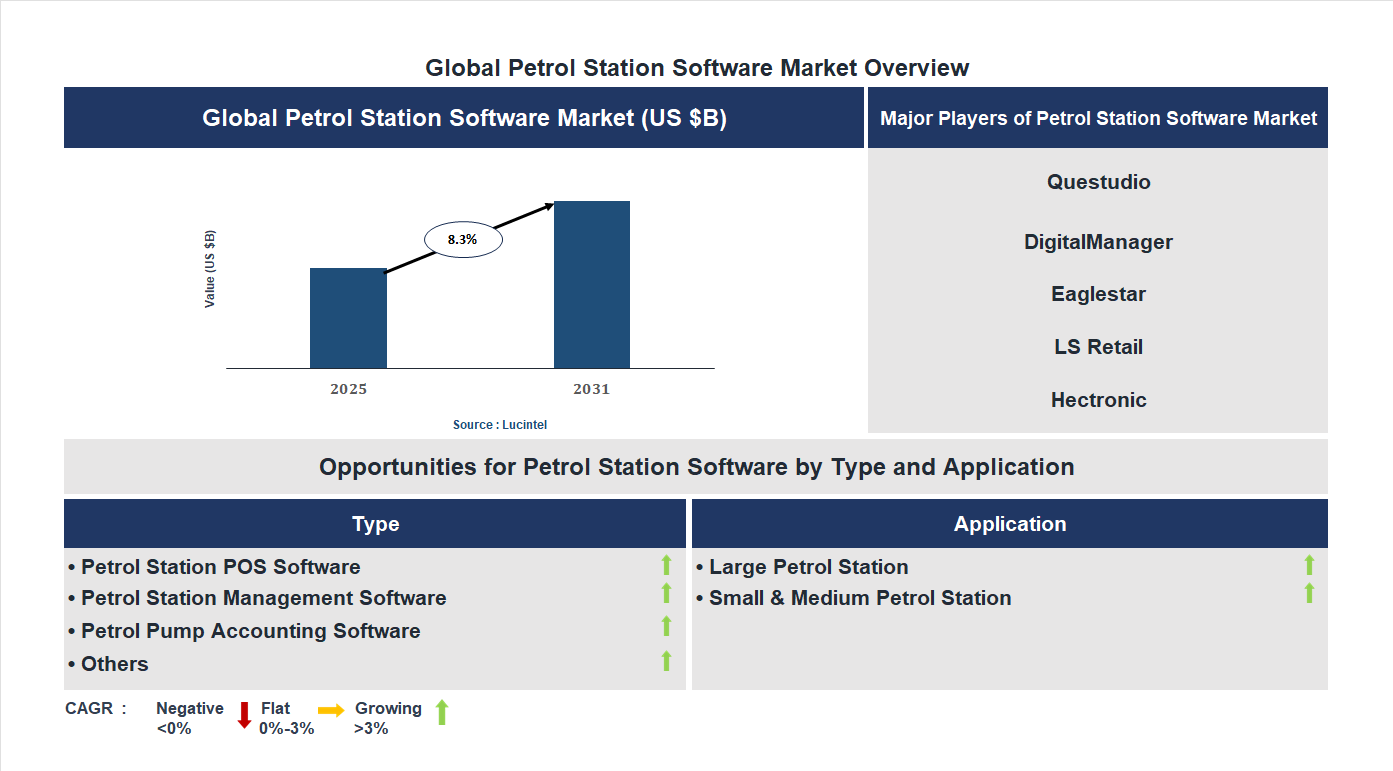
Key data points: The growth forecast = 8.3% annually for the next 7 years. Scroll below to get more insights. This market report covers trends, opportunities and forecasts in petrol station software market to 2031 by type (petrol station POS software, petrol station management software, petrol pump accounting software, and others), application (large petrol station and small & medium petrol station), and region (North America, Europe, Asia Pacific, and the Rest of the World)
We'll send your sample report shortly.
• Lucintel forecasts that, within the type category, petrol station management software is expected to witness the highest growth over the forecast period.
• Within the application category, small & medium petrol station is expected to witness higher growth.
• In terms of region, APAC is expected to witness the highest growth over the forecast period. Gain valuable insights for your business decisions with our comprehensive 150+ page report. Sample figures with some insights are shown below.
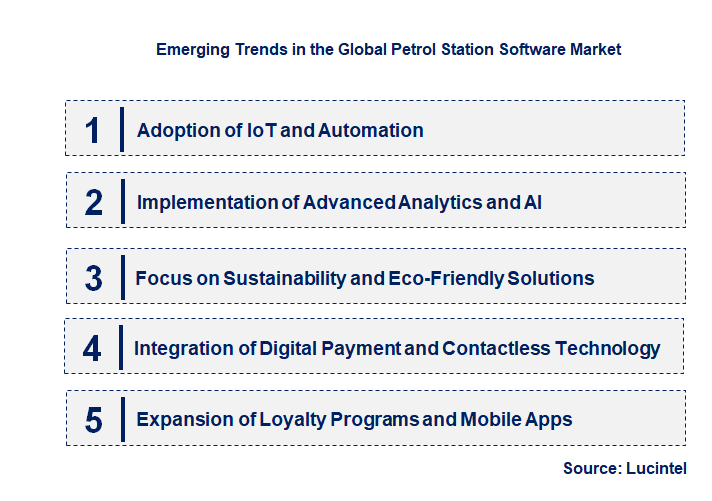
• Adoption of IoT and automation: The integration of Internet of Things (IoT) devices and automation technologies is transforming petrol station operations. IoT sensors enable real-time monitoring of fuel levels, equipment health, and inventory management, reducing downtime and operational costs. Automated payment systems and self-service kiosks enhance customer convenience and reduce staffing needs. This trend improves efficiency, accuracy, and safety, allowing stations to optimize resource allocation and provide seamless service. As IoT technology becomes more affordable and reliable, its adoption is expected to grow, leading to smarter, more connected petrol stations.
• Implementation of advanced analytics and AI: Data analytics and artificial intelligence (AI) are increasingly used to analyze customer behavior, optimize pricing strategies, and forecast demand. AI-powered systems can personalize marketing offers, improve inventory management, and streamline supply chain logistics. These tools enable petrol stations to make data-driven decisions that enhance profitability and customer satisfaction. The use of predictive analytics helps in anticipating maintenance needs and preventing equipment failures, reducing costs. As analytics become more sophisticated, petrol stations will gain deeper insights into operations, enabling more strategic growth and competitive advantage.
• Focus on sustainability and eco-friendly solutions: Environmental concerns are prompting petrol stations to adopt greener practices. This includes integrating electric vehicle (EV) charging stations, promoting alternative fuels, and implementing energy-efficient infrastructure. Software solutions facilitate the management of EV charging networks, track energy consumption, and ensure compliance with environmental regulations. These initiatives help stations attract eco-conscious consumers and prepare for the future shift towards sustainable transportation. The market is witnessing a rise in green certifications and investments in renewable energy, positioning eco-friendly solutions as a key differentiator in a competitive landscape.
• Integration of digital payment and contactless technology: The shift towards contactless payments and digital wallets is revolutionizing customer transactions. Petrol stations are adopting software that supports multiple payment options, including mobile payments, NFC, and QR codes, enhancing speed and safety. This trend reduces cash handling risks and shortens wait times, improving overall customer experience. Additionally, digital payment data provides valuable insights into consumer preferences and spending patterns. As contactless technology becomes the norm, petrol stations that adopt these solutions will benefit from increased customer loyalty and operational efficiency, aligning with modern payment security standards.
• Expansion of loyalty programs and mobile apps: Loyalty programs and mobile applications are becoming central to customer engagement strategies. Software platforms enable stations to offer personalized rewards, discounts, and promotions based on purchase history and preferences. Mobile apps facilitate easy refueling, payment, and access to exclusive offers, fostering brand loyalty. These tools also provide valuable data on customer behavior, enabling targeted marketing campaigns. The proliferation of smartphones and digital engagement is driving petrol stations to invest in user-friendly apps and loyalty schemes, which are crucial for retaining customers and increasing sales in a competitive market. In summary, these emerging trends are fundamentally reshaping the petrol station software market by fostering smarter, more sustainable, and customer-centric operations. The integration of IoT, AI, eco-friendly solutions, digital payments, and loyalty programs is creating a more efficient, innovative, and environmentally conscious industry. As these trends continue to evolve, petrol stations will need to adapt quickly to maintain competitiveness and meet the expectations of modern consumers.
• Adoption of Cloud-Based Solutions: The shift to cloud technology allows petrol stations to access real-time data, improve operational efficiency, and reduce IT costs. Cloud-based software offers scalability, remote management, and enhanced data security, enabling stations to adapt quickly to market changes and customer demands. This development enhances overall operational agility and supports multi-location management, making it a critical trend in the market.
• Integration of IoT and Smart Technologies: IoT devices enable real-time monitoring of fuel levels, equipment maintenance, and environmental conditions. Smart sensors improve inventory management, reduce downtime, and enhance safety protocols. This integration leads to more efficient operations, predictive maintenance, and better customer experiences, positioning IoT as a transformative force in petrol station management.
• Implementation of Contactless Payment Systems: The rise of digital wallets and contactless cards has revolutionized payment processes at petrol stations. This development reduces transaction times, enhances customer convenience, and minimizes physical contact, especially important during health crises. It also supports loyalty programs and personalized marketing, boosting customer retention and sales.
• Enhanced Data Analytics and Customer Engagement: Advanced analytics enable stations to understand customer preferences, optimize pricing strategies, and tailor marketing campaigns. Data-driven insights improve sales performance and customer satisfaction. This development fosters personalized experiences, increases loyalty, and drives revenue growth in a competitive market.
• Regulatory Compliance and Sustainability Initiatives: Software solutions now incorporate features to ensure compliance with environmental and safety regulations. They also support sustainability efforts, such as tracking fuel emissions and managing renewable energy sources. These developments help stations meet legal requirements, reduce environmental impact, and appeal to eco-conscious consumers, aligning with global sustainability goals. In summary, these developments are significantly transforming the petrol station software market by enhancing operational efficiency, customer experience, and regulatory compliance. The integration of advanced technologies and digital solutions is driving growth, fostering innovation, and positioning the market for a more sustainable and customer-centric future.
• Customer Management Systems: Enhanced loyalty programs and personalized marketing tools are improving customer retention and satisfaction. These systems enable stations to gather data on customer preferences, tailor promotions, and foster brand loyalty, ultimately increasing sales and customer lifetime value.
• Inventory and Supply Chain Management: Advanced software solutions optimize fuel and retail inventory levels, reducing waste and preventing stockouts. Improved supply chain visibility ensures timely replenishment, lowering operational costs and increasing profitability.
• Payment Processing Solutions: Integration of contactless and mobile payment options enhances transaction speed and convenience. This reduces wait times, improves customer experience, and supports the adoption of cashless transactions, aligning with modern payment trends.
• Fleet and Asset Management: Software tools for tracking and maintaining station equipment and company vehicles improve operational efficiency. Predictive maintenance and real-time monitoring minimize downtime and extend asset lifespan, reducing costs.
• Regulatory Compliance and Reporting: Automated compliance management ensures adherence to environmental and safety regulations. Streamlined reporting processes reduce administrative burdens and mitigate legal risks, fostering trust and sustainability. In summary, these growth opportunities are transforming the petrol station software market by driving operational efficiencies, enhancing customer engagement, and ensuring regulatory compliance. As these applications evolve, they will enable petrol stations to become more competitive, sustainable, and customer-centric, fueling overall market expansion.
• Technological Innovation: The integration of advanced software solutions such as point-of-sale systems, inventory management, and automation tools enhances operational efficiency. These innovations enable petrol stations to streamline transactions, improve customer experience, and reduce manual errors. Cloud-based platforms facilitate real-time data access and remote management, which are crucial for competitive advantage. As technology evolves, the adoption rate accelerates, driving market growth. Moreover, IoT and AI integration are expected to further optimize operations, making petrol station management more intelligent and responsive to customer needs.
• Growing Adoption of Automation: Automation in petrol stations, including automated billing, fuel dispensing, and inventory tracking, reduces labor costs and increases accuracy. This trend is driven by the need for faster service and improved safety standards. Automated systems also enable better data collection for analytics, helping operators make informed decisions. As consumer expectations for quick and seamless service rise, petrol stations are increasingly investing in automation software. This shift not only enhances operational efficiency but also provides a competitive edge in a crowded marketplace, fueling market expansion.
• Regulatory Compliance and Environmental Policies: Stringent government regulations regarding emissions, safety standards, and fuel quality influence software development and deployment. Petrol station operators require software solutions that ensure compliance with local laws and facilitate reporting. Environmental policies promoting cleaner fuels and renewable energy sources are also impacting software features, such as tracking fuel types and emissions. Compliance-driven software adoption helps companies avoid penalties and maintain operational licenses. As regulations become more complex, the demand for sophisticated software solutions that can adapt to changing legal requirements continues to grow, propelling market growth.
• Increasing Consumer Demand for Convenience: Consumers increasingly seek quick, contactless, and personalized service experiences. Petrol station software that supports mobile payments, loyalty programs, and real-time promotions caters to these preferences. Enhanced customer engagement through digital interfaces improves satisfaction and retention. The rise of e-commerce and digital wallets further accelerates this trend, prompting petrol stations to adopt integrated software solutions. This demand for convenience and personalized service drives software innovation and deployment, expanding the market as operators seek to meet evolving customer expectations.
• Expansion of Fuel Retail Networks: The growth of retail chains and independent petrol stations worldwide necessitates scalable and integrated software solutions. Larger networks require centralized management systems for inventory, pricing, and reporting across multiple locations. Software that supports multi-site operations enhances efficiency and consistency. As the industry expands, the need for robust, customizable, and cloud-based solutions increases, fostering market growth. This expansion also encourages software providers to develop more comprehensive platforms, catering to diverse operational needs and facilitating seamless management of extensive fuel retail networks. The challenges facing this petrol station software market include:
• High Implementation Costs: Deploying advanced petrol station software involves significant initial investment in hardware, licensing, and integration. Small and independent operators may find these costs prohibitive, limiting adoption. Additionally, ongoing maintenance and updates add to operational expenses. The financial burden can hinder market penetration, especially in emerging regions with limited capital. This challenge necessitates the development of cost-effective solutions and flexible pricing models to encourage broader adoption across different market segments.
• Data Security and Privacy Concerns: As petrol station software handles sensitive customer and operational data, ensuring cybersecurity is critical. Increasing cyber threats pose risks of data breaches, financial loss, and reputational damage. Compliance with data protection regulations such as GDPR adds complexity to software deployment. Operators must invest in robust security measures, which can increase costs and implementation time. Failure to address these concerns can lead to legal penalties and loss of customer trust, making data security a significant challenge for market growth.
• Rapid Technological Changes: The fast pace of technological innovation requires continuous updates and upgrades to petrol station software. Keeping up with emerging technologies like IoT, AI, and blockchain demands significant R&D investment. Companies that fail to adapt risk obsolescence and lose competitive advantage. Additionally, integrating new solutions with existing infrastructure can be complex and costly. This rapid evolution creates uncertainty and necessitates strategic planning to ensure software remains relevant and effective in a constantly changing environment. In summary, the petrol station software market is driven by technological advancements, automation, regulatory compliance, consumer preferences, and network expansion. However, high costs, security concerns, and rapid technological changes pose significant challenges. These factors collectively influence market dynamics, requiring stakeholders to innovate continuously and adopt flexible strategies. The overall impact is a competitive landscape characterized by growth opportunities tempered by operational and financial hurdles. Successful navigation of these drivers and challenges will determine the future trajectory of the market, shaping its evolution in a rapidly changing industry.
• Questudio
• DigitalManager
• Eaglestar
• LS Retail
• Hectronic
• Odoo
• Codelab
• Softhealer
• Petrosoft
• Nexchar
• Petrol Station POS Software
• Petrol Station Management Software
• Petrol Pump Accounting Software
• Others
• Large Petrol Station
• Small & Medium Petrol Station
• North America
• Europe
• Asia Pacific
• The Rest of the World
• United States: The U.S. market has seen rapid adoption of cloud-based petrol station software, driven by the push for automation and improved customer experience. Major players are integrating AI and IoT technologies to optimize inventory management and fuel dispensing. Regulatory standards favor digital payments, encouraging software upgrades. The rise of convenience store integrations with petrol stations is also a notable trend, enhancing revenue streams and operational efficiency.
• China: China’s petrol station software market is expanding swiftly, supported by government initiatives to modernize fuel retail infrastructure. The focus is on integrating mobile payment solutions like Alipay and WeChat Pay, which dominate consumer transactions. Local vendors are developing customized solutions to cater to regional needs, emphasizing automation, real-time data analytics, and smart station management. The market is also witnessing increased investments in digital transformation to improve safety and operational efficiency.
• Germany: In Germany, the market emphasizes compliance with stringent environmental and safety regulations, leading to the adoption of advanced software solutions for monitoring emissions and safety standards. There is a growing trend toward integrating renewable energy sources and electric vehicle charging station management within petrol station software. Companies are focusing on sustainability and digitalization to meet regulatory and consumer demands for eco-friendly practices.
• India: The Indian petrol station software market is experiencing rapid growth due to increasing fuel demand and expanding retail networks. Vendors are offering affordable, scalable solutions that support inventory management, digital payments, and customer loyalty programs. The adoption of mobile-based solutions is high, driven by widespread smartphone usage. The government’s push for digital payments and infrastructure development is further accelerating market growth, with a focus on automation and real-time data analytics.
• Japan: Japan’s market is characterized by high technological adoption and a focus on automation and safety. Petrol station software solutions are increasingly integrated with IoT devices for real-time monitoring and maintenance. The market also emphasizes eco-friendly practices, including the management of electric vehicle charging stations. Regulatory compliance and customer convenience are key drivers, with vendors offering sophisticated, user-friendly software platforms that enhance operational efficiency and sustainability.


• Questudio
• DigitalManager
• Eaglestar
• LS Retail
• Hectronic
• Odoo
• Codelab
• Softhealer
• Petrosoft
• Nexchar Q5. Which petrol station software market segment will be the largest in future? Answer: Lucintel forecasts that, within the type category, petrol station management software is expected to witness the highest growth over the forecast period. Q6. In petrol station software market, which region is expected to be the largest in next 5 years? Answer: In terms of region, APAC is expected to witness the highest growth over the forecast period. Q7. Do we receive customization in this report? Answer: Yes, Lucintel provides 10% customization without any additional cost.


Choose a license that fits your team. Instant PDF delivery.
Prices exclude taxes. Instant delivery. Custom licensing available on request.
Market Report · July 15, 2026
Market Report · June 26, 2026
Market Report · June 24, 2026
Trusted partner for strategic intelligence and business growth


Receive a complimentary market analysis tailored to your industry. Our analysts will identify key growth opportunities and competitive dynamics specific to your business.

Market size, growth rate, and key trend analysis for your specific sector.

Top competitor positioning and market share analysis.

Strategic recommendations backed by data-driven insights.
Get curated market intelligence and competitive moves straight to your inbox.
By subscribing, you agree to receive our monthly insights. Unsubscribe anytime.
Receive a complimentary market analysis tailored to your industry. Our analysts will identify key growth opportunities and competitive dynamics specific to your business.
Market size, growth rate, and key trend analysis for your specific sector.
Top competitor positioning and market share analysis.
Strategic recommendations backed by data-driven insights.
Get curated market intelligence, emerging trends, and competitive moves straight to your inbox each month.
By subscribing, you agree to receive our monthly insights. Unsubscribe anytime.
We'll send your sample report shortly.