
Market Report · May 18, 2026

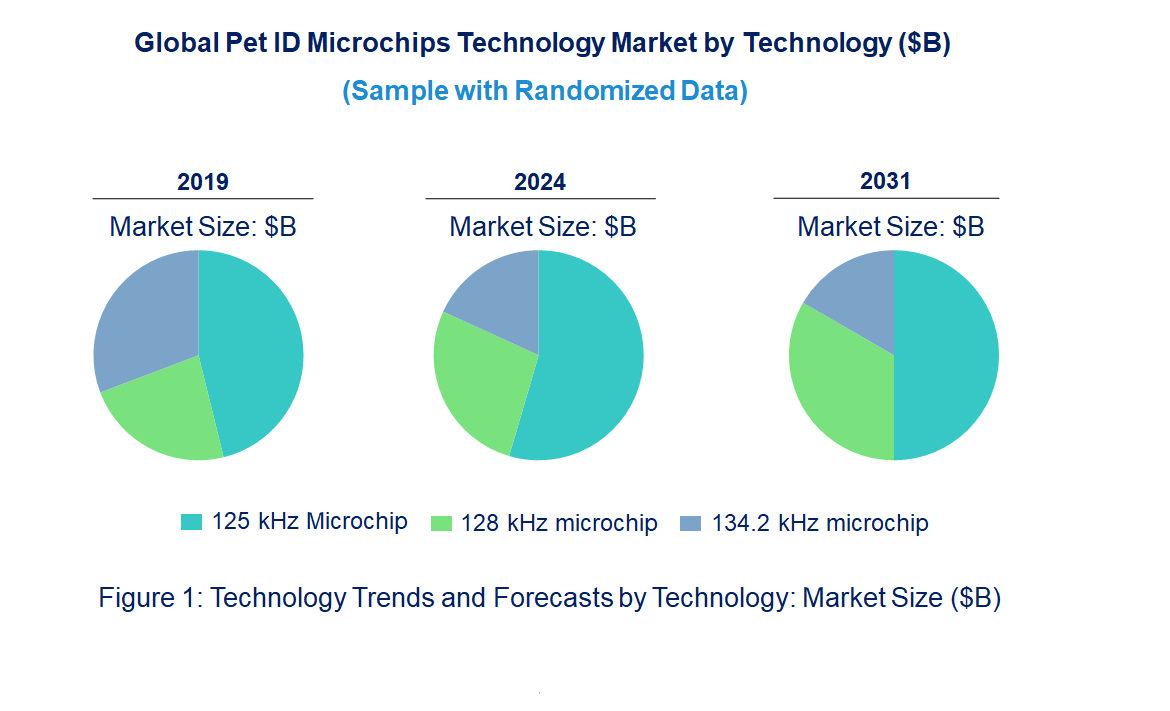
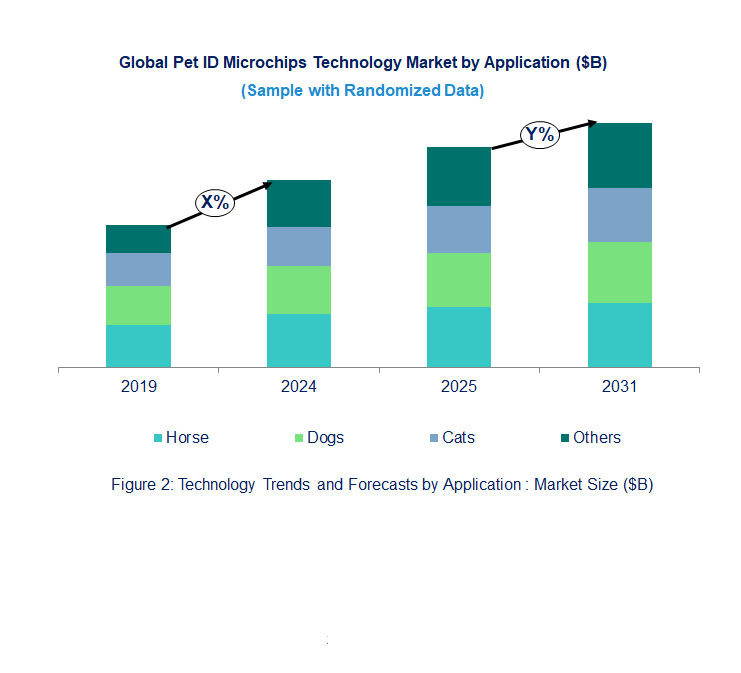
This market report covers trends, opportunities, and forecasts in the global pet id microchips market to 2031 by technology (125 khz microchip, 128 khz microchip, and 134.2 khz microchip), application (horse, dogs, cats, and others), and region (North America, Europe, Asia Pacific, and the Rest of the World)
We'll send your sample report shortly.
• Global Standardization and Adoption of 134.2 kHz Microchips: The shift towards 134.2 kHz microchips is driven by international standards, particularly ISO standards, which are being widely adopted for global pet identification. This trend is enabling easier travel for pets and creating greater interoperability among microchip databases worldwide.
• Miniaturization of Microchips: Advances in microchip technology have led to the development of smaller, more compact microchips. This trend is improving the comfort of pets, especially in smaller animals, and reducing the risk of complications during implantation. It also enhances the adoption of microchips in a broader range of animals beyond just dogs and cats.
• Integration with Smart Technology: Increasingly, pet ID microchips are being integrated with smart devices and apps that allow pet owners to track their pets in real-time. This trend is enabling more accurate and effective monitoring, particularly in the case of lost pets, by linking microchips with GPS technology or smartphone apps.
• Enhanced Biocompatibility and Safety: The development of biocompatible microchips that minimize the risk of rejection or infection is gaining momentum. These chips are designed with advanced materials that ensure long-term safety for pets, which helps boost owner confidence and encourages wider adoption.
• Focus on Animal Welfare and Regulatory Compliance: There is increasing pressure for pets to be microchipped, particularly in regions with strict animal welfare laws. Many countries now require pets to be chipped for identification, contributing to a growing awareness of the importance of microchipping in pet safety and recovery. These trends indicate that the pet ID microchip market is shifting towards more efficient, standardized, and technologically advanced solutions that enhance pet safety, enable international compatibility, and support pet owners with real-time tracking.
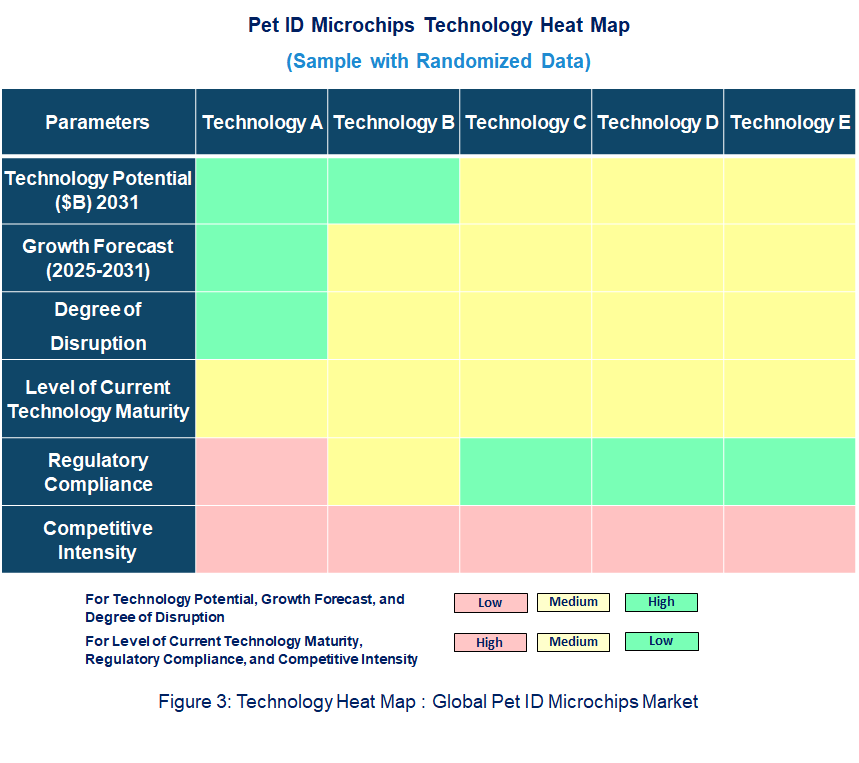
• Technology Potential: The potential of pet ID microchips lies in their ability to integrate with expanding pet care ecosystems, such as mobile apps, GPS tracking systems, and health monitoring technologies. Future developments could include microchips with enhanced capabilities, such as real-time location tracking, temperature monitoring, or integration with veterinary databases for health records. Advancements in wireless technology could allow for more seamless interaction between the chip and scanning devices, broadening the market applications, especially for pets in outdoor or remote areas.
• Degree of Disruption: While pet ID microchips are already a widely adopted technology, future innovations could disrupt the market by offering additional functionalities like multi-purpose health monitoring or GPS capabilities, creating a more comprehensive pet care solution. This could move the industry from basic identification to a more dynamic pet management tool.
• Current Technology Maturity: The pet ID microchip technology is mature and widely used, with several leading providers offering reliable, passive RFID chips. Ongoing innovation is focused on improving chip functionality, miniaturization, and integration with other pet care technologies .
• Regulatory Compliance: Pet ID microchips must comply with standards like ISO 11784/11785 for RFID chip technology, ensuring compatibility across different scanning systems. Regulatory bodies also enforce requirements for safety and quality control to ensure that microchips are safe for animals, durable, and effective in different environments.
• Pethealth has introduced integrated microchip systems that work seamlessly with their pet recovery database, offering a more streamlined process for reuniting lost pets with their owners. This development helps expand the reach of their services and enhances the security of pet identification.
• Homeagain has expanded its range of 134.2 kHz microchips to comply with international standards, making them ideal for pets traveling internationally. Their focus on providing a comprehensive recovery network with real-time tracking of pets has been pivotal in growing their market share.
• Bayer has developed more biocompatible microchips that reduce the risk of complications after implantation. Their focus on improving the safety and comfort of pets has positioned Bayer as a leader in animal health and identification technologies.
• AVID Identification Systems has improved the efficiency of microchip scanning by offering higher frequency microchips (134.2 kHz) that are compatible with global identification systems. This development ensures that pets can be more easily identified anywhere in the world.
• Datamars has launched miniaturized microchips, making it easier to identify smaller animals like cats, rabbits, and exotic pets. These smaller chips enhance the adoption of pet ID systems across a broader range of animal species.
• Trovan has expanded its range of smart microchips that allow real-time monitoring of pets through a smartphone app. This integration with smart technology offers pet owners enhanced peace of mind and control over their pets’ safety.
• Virbac has focused on improving the long-term durability and performance of their microchips, ensuring that chips remain effective over the lifetime of the pet. Their research in this area has improved the reliability of their products in the market.
• Animalcare has developed advanced animal ID solutions that incorporate microchips with built-in RFID technology, ensuring pets are easily identifiable in veterinary clinics, shelters, and pet hotels.
• Microchip4Solutions has introduced dual-frequency microchips that allow seamless scanning by both domestic and international readers, making it easier for pets to be identified across different regions.
• Peddymark has integrated biometric identification systems with microchip technology, enhancing the security and accuracy of pet identification. Their microchips are being widely used in both domestic and international pet tracking systems. These developments highlight how key players are pushing forward with innovation, improving pet safety, and meeting global regulatory standards to create more effective solutions for pet identification.
• Global Standardization of Microchip Technology: The growing adoption of 134.2 kHz microchips, driven by international standards like ISO 11784/11785, is making microchipping more accessible for pet owners worldwide. This enables pets to travel internationally without the risk of losing their identification.
• Increasing Pet Ownership: As pet ownership rises globally, the demand for pet safety products, including microchips, has surged. Many pet owners are opting for microchips as an essential safety measure to prevent lost pets and enhance their chances of recovery.
• Regulatory Requirements: Many countries have introduced legislation that requires pets to be microchipped. These regulations are fueling the adoption of microchipping services, as pet owners seek to comply with mandatory laws for pet identification.
• Technological Advancements in Microchip Design: Ongoing innovations in microchip technology, such as miniaturization, improved biocompatibility, and enhanced tracking capabilities, are driving growth. These advancements are making microchips more comfortable and effective for pets of all sizes. Challenges in the pet ID microchips market include:
• Awareness and Education: Despite the growing adoption of pet ID microchips, there is still a lack of awareness among pet owners regarding the importance of microchipping. Efforts to educate pet owners on the benefits and necessity of microchips are still a challenge.
• High Initial Costs: While the cost of microchip implantation has decreased, some pet owners may still find the initial cost prohibitive, especially in developing markets where pets are less likely to be microchipped.
• Technical Issues with Scanning and Interoperability: While many microchips are based on standardized frequencies, scanning systems may not be universally compatible, causing difficulties when pets are moved between regions or scanned in different environments. The pet ID microchip market is being driven by increased standardization, regulatory requirements, and advancements in technology that improve microchip safety and performance. However, challenges related to awareness, cost, and scanning interoperability still hinder the market’s growth potential. Addressing these barriers will further expand microchip adoption and enhance pet safety globally.
• Pethealth
• Homeagain
• Bayer
• AVID Identification Systems
• Datamars
• Trovan
• Technology Readiness by Technology Type: The 125 kHz microchip is the most established and widely used technology in the pet ID market, with high availability and low cost, but it is limited by lower security features and shorter read ranges compared to newer alternatives. The 128 kHz microchip offers a small improvement over the 125 kHz version, providing better security and some advantages in certain regions, but its adoption is more niche compared to the 134.2 kHz microchip. The 134.2 kHz microchip is highly ready for large-scale adoption, as it is the standard in many countries and is already compatible with global pet identification databases and international travel regulations. The competitive level is high between the 125 kHz and 134.2 kHz technologies, with the latter gaining market share due to its broader adoption, especially in pet microchips used for international travel and pet welfare initiatives. Regulatory compliance for all three types is essential, with the 134.2 kHz microchip facing the highest regulatory demands due to its international applicability, while the 125 kHz and 128 kHz chips must meet local standards. Key applications for all microchips include pet identification, veterinary tracking, and animal rescue operations, with 134.2 kHz chips being preferred for international travel and regulatory compliance.
• Competitive Intensity and Regulatory Compliance: The competitive intensity in the pet ID microchip market is strong, driven by the need for universal, reliable, and secure pet identification solutions. The 125 kHz microchip is still prevalent but faces increasing competition from the more secure and internationally compatible 128 kHz and 134.2 kHz chips. Regulatory compliance is a critical factor, particularly for microchips that will be used in international pet travel. The 134.2 kHz microchip is the most widely accepted worldwide, meeting international standards such as ISO 11784/11785, which is crucial for cross-border pet identification. The 125 kHz and 128 kHz microchips are less standardized, especially for international travel, which makes them less competitive in markets with stringent regulations. The market is also influenced by country-specific regulatory frameworks, animal welfare standards, and the push for a standardized pet identification system to ensure animal safety and prevent lost pets.
• Disruption Potential of Different Technologies: The 125 kHz, 128 kHz, and 134.2 kHz microchips each present different disruption potentials in the pet ID microchip market, with the 134.2 kHz microchip emerging as a key contender due to its wider international adoption and better compatibility with global pet identification systems. The 125 kHz microchip, though widely used, is facing competition as it has a shorter read range and is less secure compared to the 134.2 kHz and 128 kHz chips. The 128 kHz microchip, while similar in frequency to the 125 kHz chip, is used in specific regions with a focus on improved security and better integration with global databases. As demand for standardized, globally accepted pet ID systems grows, the 134.2 kHz microchip is positioned to disrupt the market by offering improved features, international compatibility, and enhanced security features, particularly in the context of global pet travel and animal welfare.
• 125 Khz Microchip
• 128 Khz Microchip
• 134.2 Khz Microchip
• Horse
• Dogs
• Cats
• Others
• North America
• Europe
• Asia Pacific
• The Rest of the World
• Latest Developments and Innovations in the Pet ID Microchips Technologies
• Companies / Ecosystems
• Strategic Opportunities by Technology Type


Choose a license that fits your team. Instant PDF delivery.
Prices exclude taxes. Instant delivery. Custom licensing available on request.
Market Report · May 18, 2026
Market Report · May 18, 2026
Market Report · May 18, 2026
Trusted partner for strategic intelligence and business growth


Receive a complimentary market analysis tailored to your industry. Our analysts will identify key growth opportunities and competitive dynamics specific to your business.

Market size, growth rate, and key trend analysis for your specific sector.

Top competitor positioning and market share analysis.

Strategic recommendations backed by data-driven insights.
Get curated market intelligence and competitive moves straight to your inbox.
By subscribing, you agree to receive our monthly insights. Unsubscribe anytime.
Receive a complimentary market analysis tailored to your industry. Our analysts will identify key growth opportunities and competitive dynamics specific to your business.
Market size, growth rate, and key trend analysis for your specific sector.
Top competitor positioning and market share analysis.
Strategic recommendations backed by data-driven insights.
Get curated market intelligence, emerging trends, and competitive moves straight to your inbox each month.
By subscribing, you agree to receive our monthly insights. Unsubscribe anytime.
We'll send your sample report shortly.