
Market Report · May 18, 2026

This market report covers trends, opportunities, and forecasts in the global online reading platform market to 2031 by technology (cloud based and website based), application (personal and commercial), and region (North America, Europe, Asia Pacific, and the Rest of the World)
We'll send your sample report shortly.
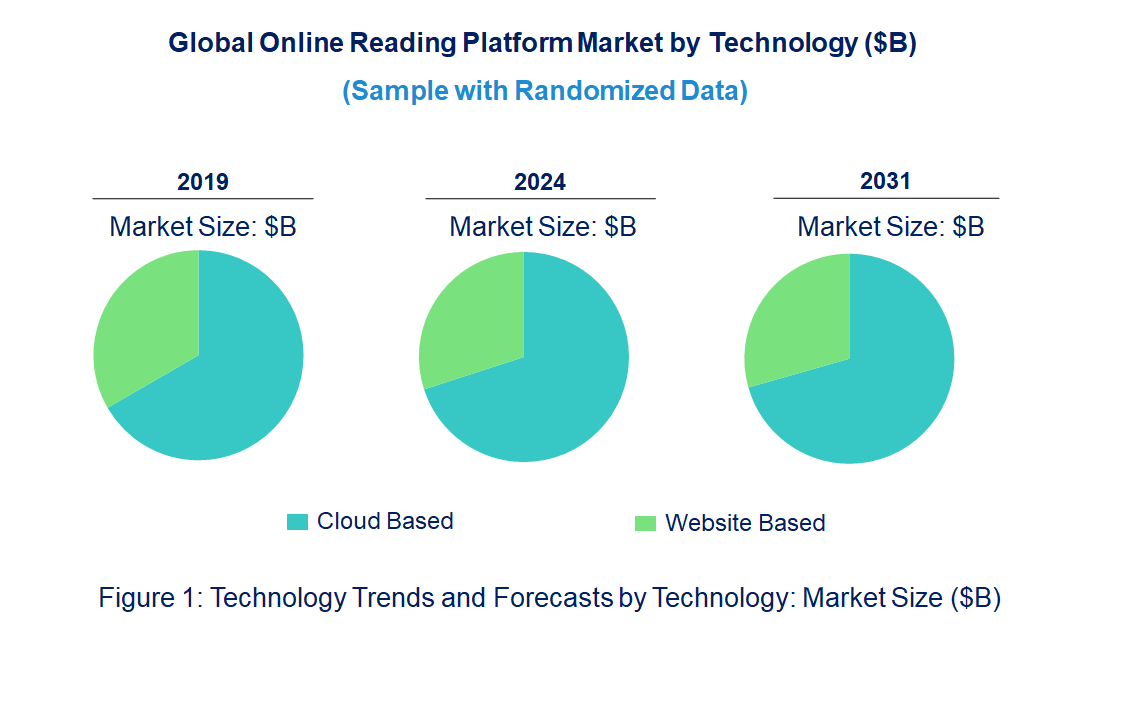
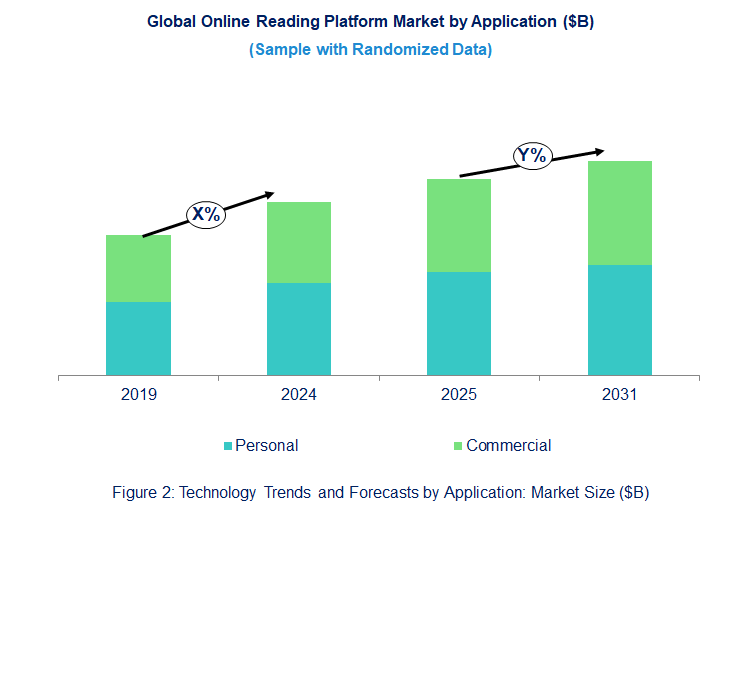
• Cloud-Based Platforms for Seamless Access: The shift from traditional website-based reading platforms to cloud-based systems marks an emerging trend. Cloud solutions give access to readers on multiple devices, ensuring seamless synchronization and a better reading experience. The technology also supports scalable operations for content providers and enhances data storage.
• Mobile-First Experience: With the continuous adoption of mobile devices, the user interface is now considered a core agenda in many platforms. The mobile-first approach enables readers to access content anytime, anywhere, contributing to increased convenience and engagement. Most content providers are given the impetus to develop responsive applications in an understandable format for smaller displays.
• AI-Powered Personalization Artificial intelligence is being used to create personalized reading experiences by analyzing user preferences and behavior. AI-driven recommendation systems suggest books, articles, and other reading materials based on past behavior, thereby enhancing user engagement and retention. This trend will make platforms smarter, with more relevant content tailored to individual users.
• Subscription-Based Models Subscription-based models have been the new trend in the Online Reading Platform Market. Users are increasingly opting for all-you-can-read subscription services, which allow them to access a wide variety of content for a fixed monthly fee. This model benefits both consumers and content providers by offering predictable revenue and affordable access to diverse materials.
• Multimedia and Interactive Content Integration One means to that effect is online reading platforms include the integration of multimedia elements in this category including videos, podcasts, and interactive quizzes, which make the once static materials more engaging, dynamic, and appealing to larger users because not everybody expects reading to be texted only and younger, even more technologically savvy will gravitate to it. These emerging trends will transform the online reading platform market through increasing user engagement, improving access, and providing smarter and more personalized content experiences. Strategies such as cloud-based and mobile-first, AI-powered recommendations, subscription models, and multimedia integration are shaping the way people consume content. As these technologies advance, a more flexible, interactive, and user-centered market will emerge in response to the evolving needs of modern readers.
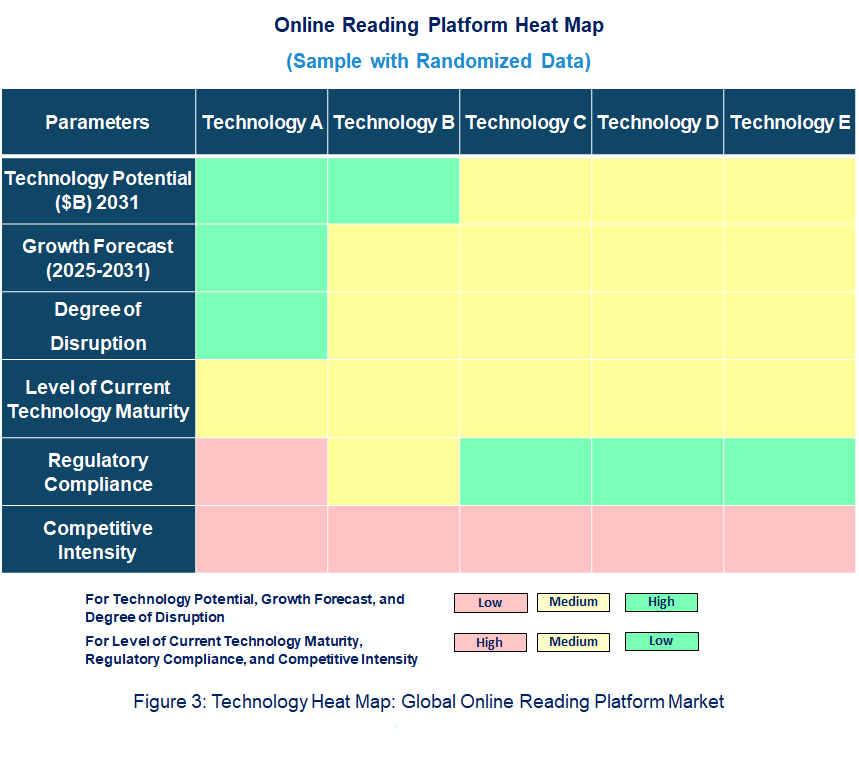
• Technology Potential: The online reading platform market has vast potential, as new technologies such as AI, machine learning, and AR will enhance the personalized reading experience. AI-driven recommendations, voice-based navigation, and immersive reading experiences are opening up new possibilities for digital content consumption.
• Degree of Disruption: The market has been significantly disrupted as traditional print media faces competition from digital platforms, offering instant accessibility, interactive features, and vast content libraries. These innovations do change consumers’ access and engagement methods with literature and educational content.
• Levels of Current Maturity Technology: This area has moderate levels of current maturity technology. Digital content platforms, like Kindle and Audible, have already been changing how one reads, whereas AI and AR are just beginning to mature in making engagement and interactivity greater.
• Regulatory Compliance: The online reading platform market is bound by data protection laws, such as GDPR, and intellectual property regulations. Ensuring copyright law and privacy regulation compliance would be critical to ensuring secure and legal content distribution.
• Amazon.com Inc.: Amazon has continued to dominate the online reading space with the Kindle platform, introducing features like Kindle Vella for serialized fiction and integrating AI-driven recommendations for personalized reading. The company is also enhancing its audiobook offerings through Audible, solidifying its leadership position across multiple content formats. The continued expansion into international markets and its integration with Alexa provide seamless, voice-activated reading experiences, further cementing Amazon’s ecosystem.
• Apple Inc.: Apple has been focusing exclusively on its Books app through the introduction of features, such as audiobook integration, personalized suggestions, and a more user-friendly interface. With an emphasis on exclusive content, Apple continues investing in original audiobooks and interactive reading experiences, going deeper into new niches such as augmented reality (AR) books. Apple, with its deep integration, including iCloud and Siri, assures readers of a unified experience with devices.
• Rakuten Kobo Inc.: Rakuten Kobo has strengthened its market presence through the expansion of its e-bookstore, launching a new range of e-readers, and focusing on a diverse catalog of content, including manga and international authors. Kobo’s focus on DRM-free content and open e-book ecosystem is its competitive advantage over others. The strategic partnerships with libraries and bookshops worldwide through the platform help to diversify its reach, enhancing its competitive positioning.
• Barnes and Noble LLC: Barnes & Noble has shifted its focus to modernizing its Nook e-reader while expanding its digital catalog through the Nook Store. The company has also emphasized digital content for educational purposes, capitalizing on the growing demand for e-textbooks. The retail strategy of Barnes & Noble continues to complement its online platform, providing physical stores as a place for readers to explore books before making digital purchases, thus creating an omnichannel experience.
• Lulu Press Inc.: Lulu Press has upgraded its self-publishing platform by enhancing its distribution capabilities to help authors publish e-books and print-on-demand titles directly on major digital platforms like Amazon, Apple, and Kobo. The company has also focused on international expansion and more localized distribution options for authors around the world. Lulu’s innovative pricing models and flexible publishing tools empower independent authors and diversify the digital reading market.
• Increased Digitalization: The rise of smartphones, tablets, and e-readers has made digital content easily accessible to users worldwide. As consumers become more reliant on digital devices, the demand for online reading platforms has surged, creating opportunities for platforms to expand their reach.
• Personalized Content and AI Integration: AI-driven recommendations, curated content according to individual users, and machine learning algorithms ensure that online reading platforms are providing readers with personalized reading experiences. Such personalization enhances user satisfaction and retention, thereby furthering the growth of the market by encouraging repeat usage and customer loyalty.
• The growth of audiobooks: Due to busy lives and multitasking, demand for audiobooks has gone up, leading online platforms such as Audible and Apple Books to increase their services. This source of revenue becomes important as a source of revenue to these online reading sites, with customers preferring listening rather than reading.
• Self-Publishing and Independent Authors: Amazon Kindle Direct Publishing (KDP) and Lulu have changed the self-publishing market, so authors can publish directly. This opens up a larger diversity of content and expands the reach for independent authors worldwide, and should be a reason for growth on such platforms. Challenges:
• Intellectual Property and Piracy Issues: Copyright infringement and digital piracy, and illegal copying of digital books continue to be a concern in any online reading venture. Also, the legal and security challenges of enforcing DRM can make publishers and content owners more reluctant to embrace such ventures.
• Market Saturation: With so many new platforms to read online and services providing e-books, the market is becoming saturated. To maintain competitive advantages, a company has to innovate and be different in service offerings, which enhances operational costs and might negatively impact profitability.
• Regulatory Compliance: Strict data protection regulations, such as GDPR, and different international laws regarding intellectual property are challenges for the online reading platforms that work globally. These regulations demand a lot of investment in legal frameworks, which is expensive and time-consuming. Growth for the online reading platform market is in prospect due to its major drivers, such as digitalization, AI-powered personalization, and audiobook appeal. These opportunities have accompanying challenges, such as piracy and saturation. By embracing new technologies and strategic partnerships, platforms will continue to expand and improve on user engagement, further deepening their hold in the increasingly competitive space.
• Amazon.com Inc
• Apple Inc.
• Rakuten Kobo Inc.
• Barnes and Noble LLC
• Lulu Press Inc.
• Technology Readiness by Technology Type in Online Reading Platforms: Cloud-based technologies are highly ready for the online reading platform market. They can offer strong infrastructure, rapid scalability, and better security than their competitors. The competitive level for cloud solutions is very high as big players like Amazon and Google offer cloud services to reading platforms. They support features such as personalization, integration with AI, and real-time syncing that will attract tech-savvy users. Regulatory compliance for cloud platforms is very stringent in terms of data governance, especially when it comes to privacy laws and content distribution. Website-based platforms are competitive but not scalable or feature-rich enough. They are best suited for readers who prefer simplicity and easy access. Regulatory compliance for websites involves copyright laws, content regulations, and user privacy standards. The cloud-based models will serve more varied applications like educational content, entertainment, and professional development. On the other hand, website-based models mainly concentrate on static content like articles and e-books.
• Intensity of Competition and Regulatory Compliance for Online Reading Platforms: The proliferation of cloud-based and website-based platforms is heightening the competitive intensity in the online reading platform market, as companies compete for user engagement through innovative features and subscription models. Cloud-based solutions tend to have a competitive edge, mainly because they are scalable, data-driven, and can offer diverse content types. Website-based platforms are also competitive but are likely to face challenges when adapting to rapid technological advancements. Compliance with regulation is essential for both of these technologies, especially from the aspect of data protection for both the GDPR and licensing for content, ensuring all stringent data protection measures are followed, as big volumes of user data come in handy with cloud-based technologies. Based models require compliance with the law for digital copyright and requirements as regards security, but are less involved as regards backend management processes. Both technologies must update with the changing regulations in digital publishing, content protection, and data handling.
• Disruption Potential of Different Technologies for Online Reading Platforms: Cloud-based technologies have a significant potential for disruption in the online reading market, as they offer scalable, flexible platforms accessible from any device with internet access. These platforms offer vast storage, real-time syncing, and support for multimedia, making them ideal for e-books, audiobooks, and subscription-based services. Website-based platforms, though limited by browser compatibility, are disruptive because they are accessible without installation and offer instant access to digital reading materials. Cloud technology further enables personalized recommendations, seamless integrations, and efficient content distribution, challenging traditional reading formats. The ability to scale quickly and reduce costs positions cloud-based solutions as a potential game-changer. In comparison, website-based models are more traditional and often simpler, but may face limitations in interactivity and content delivery. Both technologies are changing the way users consume digital content, reducing reliance on physical media.
• Cloud Based
• Website Based
• Personal
• Commercial
• North America
• Europe
• Asia Pacific
• The Rest of the World
• Latest Developments and Innovations in the Online Reading Platform Technologies
• Companies / Ecosystems
• Strategic Opportunities by Technology Type


Choose a license that fits your team. Instant PDF delivery.
Prices exclude taxes. Instant delivery. Custom licensing available on request.
Market Report · May 18, 2026
Market Report · May 18, 2026
Market Report · May 18, 2026
Trusted partner for strategic intelligence and business growth


Receive a complimentary market analysis tailored to your industry. Our analysts will identify key growth opportunities and competitive dynamics specific to your business.

Market size, growth rate, and key trend analysis for your specific sector.

Top competitor positioning and market share analysis.

Strategic recommendations backed by data-driven insights.
Get curated market intelligence and competitive moves straight to your inbox.
By subscribing, you agree to receive our monthly insights. Unsubscribe anytime.
Receive a complimentary market analysis tailored to your industry. Our analysts will identify key growth opportunities and competitive dynamics specific to your business.
Market size, growth rate, and key trend analysis for your specific sector.
Top competitor positioning and market share analysis.
Strategic recommendations backed by data-driven insights.
Get curated market intelligence, emerging trends, and competitive moves straight to your inbox each month.
By subscribing, you agree to receive our monthly insights. Unsubscribe anytime.
We'll send your sample report shortly.