
Market Report · May 18, 2026

This market report covers trends, opportunities, and forecasts in the global network equipment market to 2031 by technology (router, switch, firewall, network interface cards (NICs), and others), end use (telecom operators, enterprises, and others), and region (North America, Europe, Asia Pacific, and the Rest of the World)
We'll send your sample report shortly.
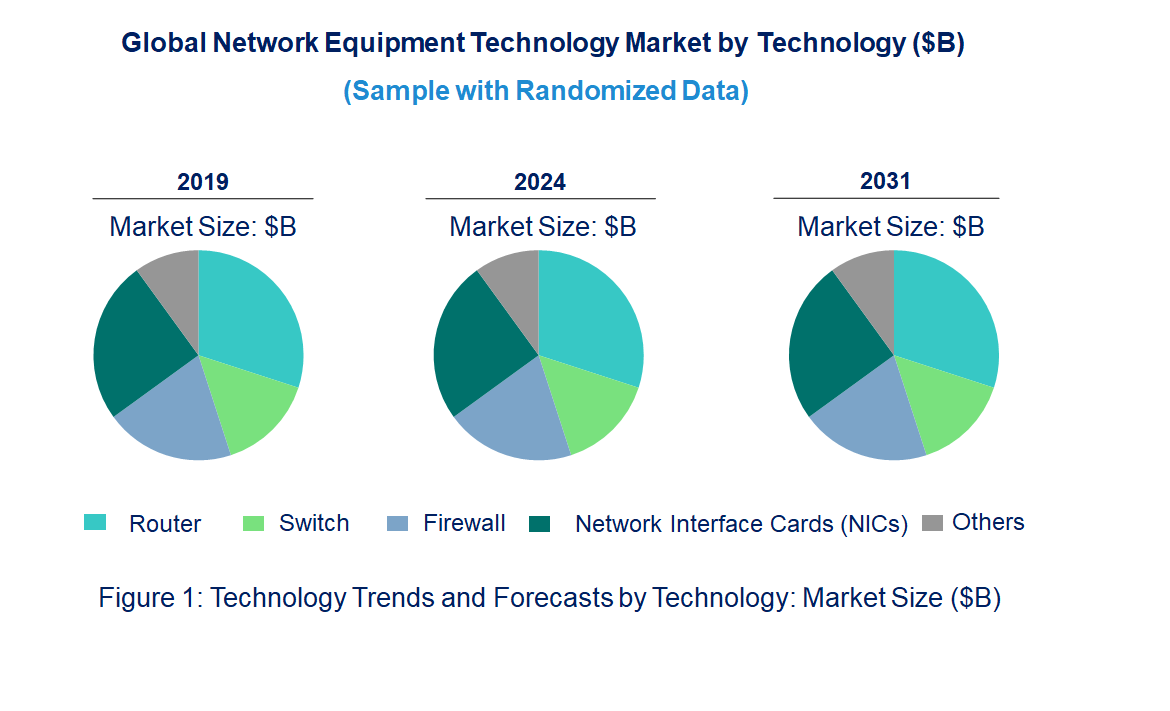
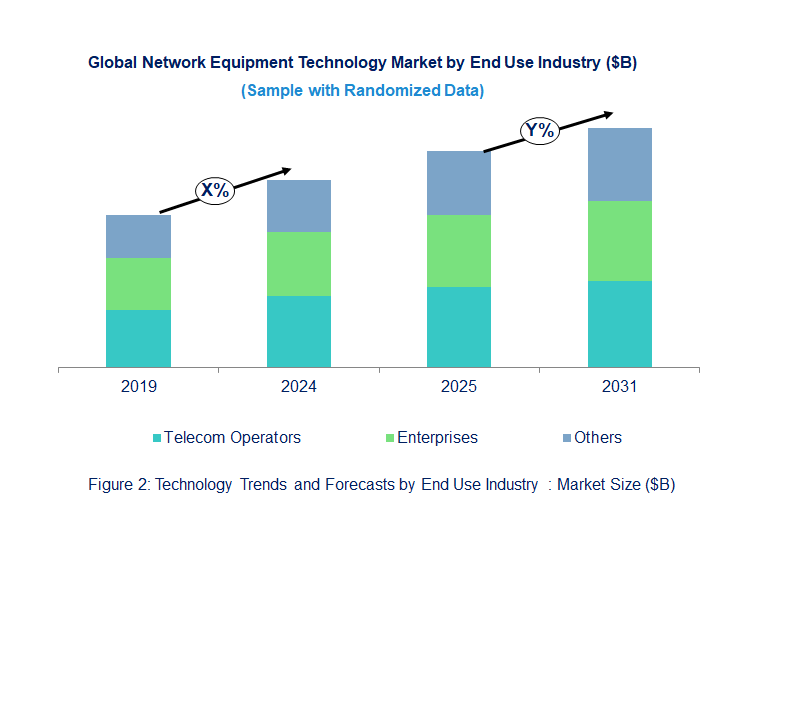
• Adoption of Software-Defined Networking (SDN): The movement from hardware-dependent networking to SDN necessitates the use of centralized control, helping to manage various aspects of the network. SDN also enhances network configuration, agility, and operational costs, making it optimal for managing complex and dynamic networks.
• Network Functions Virtualization (NFV): With NFV, there are no longer dependencies on hardware; network functions can now be hosted on virtual machines. This trend encourages quick deployment, easier scaling, and less reliance on hardware, resulting in cost efficiency and enabling telecom operators and enterprises to deploy network services with ease and flexibility.
• 5G Network Deployment: The widespread deployment of 5G is raising the demand for large-scale network equipment, such as routers, switches, and antennas that operate with ultra-low latency and high bandwidth. This shift is driving the development of advanced networks to meet the increasing demand for data traffic resulting from IoT and mobile users.
• Next-Generation Firewalls (NGFWs) and Cloud Security: Given the increasing sophistication of cyber threats, many companies are moving from traditional firewalls to NGFWs and cloud-based security measures. These next-generation firewalls have application awareness, deep packet inspection, and integrated threat intelligence to strengthen the protection of network infrastructures.
• Edge Computing and IoT Integration: The emergence of edge computing, which involves processing data as close to the source as possible, is increasing the need for edge routers, switches, and IoT-enabled devices. This trend leads to low latency, better real-time processing of data, and improved performance of network systems, especially in industries like manufacturing, healthcare, and smart cities. To sum up, these emerging trends—SDN, NFV, 5G, NGFWs, and edge computing—are transforming the network equipment market. Network management will be more efficient, flexible, secure, and scalable. As organizations adopt these technologies, their networks will better meet the demands of the digital age.
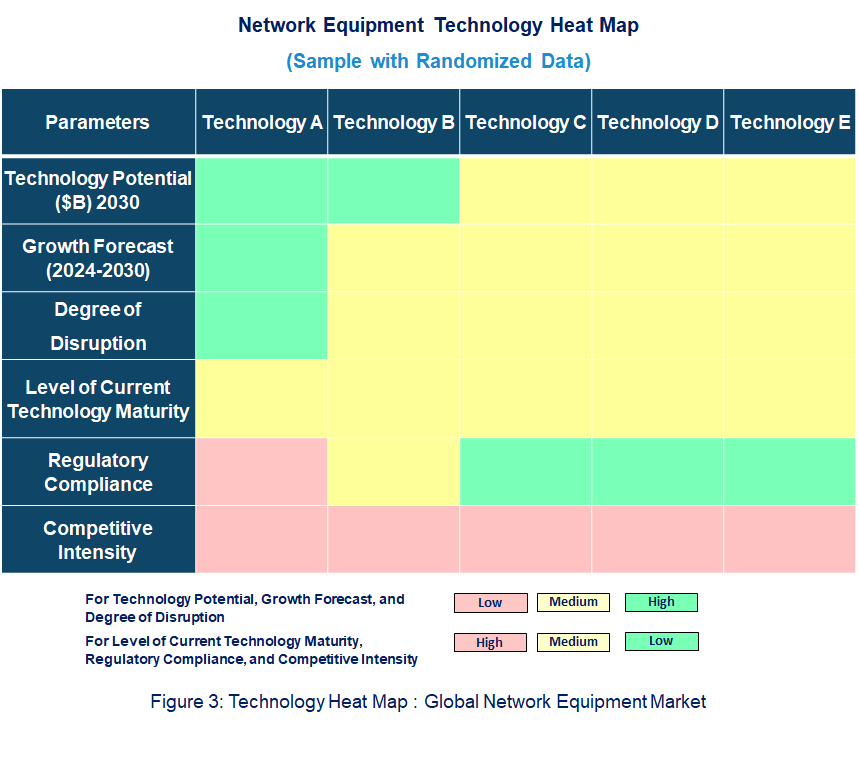
• Potential in Technology: The technological potential in the network equipment market is enormous, owing to the early adoption of Software-Defined Networking, Network Functions Virtualization, 5G, edge computing, and advanced security features like Next-Generation Firewalls. These advances can disrupt network infrastructure by offering greater flexibility, scalability, and efficiency..
• Degree of Disruption: Advances in SDN and NFV are considered disruptive, as they replace hardware-based network management with faster and more dynamic software-based solutions. Likewise, as 5G networks expand, they are not only saturating existing telecom infrastructure but also providing high-speed, low-latency connectivity for IoT, autonomous driving, and real-time analytics.
• Current Technology Maturity Level: From a maturity standpoint, 5G and NFV networks are still on their way to global adoption, while SDN in developed nations has already reached maturity, with active involvement from many enterprises and telecom operators.
• Regulatory Compliance: Another important aspect is the regulatory compliance of security technologies, such as Next-Generation Firewalls, which must meet industry requirements like GDPR or PCI DSS. As networks continue to develop, companies must ensure that their technologies comply with data privacy and cybersecurity regulations to protect privacy and build trust.
• Telefonaktiebolaget LM Ericsson: Ericsson remains a leader in 5G deployments and is investing heavily in enhancing its 5G RAN solutions. Such investments, particularly in network slicing and automation, have positioned Ericsson as one of the most innovative players in the market.
• Nokia: Nokia’s focus on NFV and SDN technologies is helping it keep up with the competition. With cloud-native solutions and intelligent routing capabilities, Nokia is well-positioned for the growing demand for high-capacity, low-latency networks.
• Samsung Electronics: Samsung’s investments in 5G network components and next-generation network management software demonstrate its ability to maintain a competitive edge in the ever-evolving network equipment landscape.
• ZTE: ZTE has made progress in the Chinese and emerging markets by offering low-cost, high-quality network equipment while investing heavily in 5G.
• Juniper Networks: Juniper Networks continues to be a major player, with a focus on SDN and cloud technologies. Its partnerships with telecom providers help secure its market share.
• Cisco Systems: Cisco is a leader in traditional networking solutions and is moving aggressively into the SDN and NFV markets, providing cutting-edge solutions to telecom providers globally.
• Broadcom: Broadcom’s acquisition of CA Technologies positions it well in the enterprise networking space, with software-driven networking solutions that complement its hardware solutions. This competitive landscape is highly dynamic and subject to rapid technological shifts driven by demand for more flexible, secure, and scalable network systems. Companies that lead the way in 5G, SDN, NFV, and cloud-based security solutions are expected to dominate the market in the years to come.
• 5G Deployment: This is one of the most important sub-markets in the equipment market as the deployment of 5G networks is taking place globally. As telecom operators and businesses structure their infrastructures, there is high demand for new routers, switches, and other equipment that can meet the requirements of handling thick data and lower latencies in 5G with high market expectations.
• Cloud Computing and Data Centers: The dependence on cloud services and the expansion of data centers are raising the demand for high-performance network equipment, especially routers, switches, and servers. Companies now need more infrastructure that connects them to support heavy data movement, storage, and management.
• Internet of Things (IoT): The increasing number of IoT devices will bring a massive influx of data, resulting in the need for scalable network solutions. This trend shifts the IoT landscape to network equipment providers and forces them to embrace modern models that can handle the data loads produced by smart devices and sensors.
• Network Virtualization and SDN: The advent of Software-Defined Networking (SDN) and network virtualization has also altered the management and maintenance of network infrastructure. Programmed network control and managed traffic flows, created by software within business environments, enhance flexibility, efficiency, and scalability within networks, changing the landscape of network equipment growth opportunities.
• Cybersecurity Concerns: Available data illustrates that cyber threats and data breaches are real and growing, heightening the need for more secure network equipment. Companies are investing in next-generation firewalls (NGFWs), security appliances, and intrusion prevention systems to safeguard their networks, thus stimulating innovation and demand within the network security sector. Key Challenges:
• Heavy Capex: Upgrading networks to include technologies such as 5G and cloud computing is expensive. Smaller firms often struggle with the high capital expenditure (CapEx), which could impede the adoption of modern network solutions.
• Network Integration Issues: For businesses modernizing their services to SDN, IoT, and 5G strategies, integrating such systems with older networks may be problematic due to the high costs involved. The areas of concern in such integration include the need for specialist skills and investment in migration techniques.
• Legal Compliance and Security: Strict legal requirements, such as data protection and security regulations, challenge companies in the network equipment industry. Compliance with frameworks like GDPR, HIPAA, and others affects the time to market and operational costs of new products.
• Fierce Competition: With big names such as Cisco, Ericsson, and Nokia, entering this market is a challenge. Large companies that already have the necessary resources are often the leaders in innovation and global presence, enabling them to dominate the market and make competition tough for smaller businesses.
• Dependence on Technology: With the technology boom, it is easy to believe that equipment will not become outdated anytime soon. However, companies constantly need to make advancements, and such innovations require efforts to be put into R&D. Failing to keep up with technological change can lead to a loss of market share. These drivers and challenges are creating a challenging environment for the network equipment market. Indeed, 5G, cloud computing, and IoT provide great possibilities for growth; however, companies must also deal with issues such as large capital investments, network integration, and expansion across regions with different legislative requirements. Creativity and the ability to respond to these changes will be core competencies for companies to succeed in this market.
• Telefonaktiebolaget LM Ericsson
• Nokia
• Samsung Electronics
• ZTE
• Juniper Networks
• Cisco Systems
• Router: The technological readiness of routers is high due to the rise of SDN and NFV technologies. In areas with high competition, there is still a strong focus on regulatory compliance.
• Switch: Switches have also reached a maturity level, with new cloud-managed models beginning to penetrate the market. These technologies are competitive, and compliance with performance and security standards in regulated industries like finance and healthcare is mandatory.
• Firewall: The deployment and integration of next-generation firewalls must comply with strict regulations in industries requiring high-level security, such as government and finance. The competitive pressure in this area is also high, as these firewalls need to provide enhanced threat detection capabilities.
• Network Interface Cards (NICs): NICs are currently being re-engineered to accommodate faster, low-latency cards. Competitive pressure is also high in this area, with a focus on ensuring compliance with performance and energy efficiency targets.
• Others: Technologies like SDN and NFV are gaining momentum, especially in the telecom and large enterprise sectors. Some of these technologies are not yet fully mature, but they provide considerable competitive benefits. Compliance with standards in telecom and cloud services is essential.
• Regulatory compliance is a concern across all technologies, but it is particularly important in security-sensitive applications.
• Each technology is at a different stage of development, but all must adhere to global data protection and cybersecurity standards.
• The scope of competitive rivalry varies based on technology maturity and the conditions of application.
• As technology readiness increases, adherence to international norms becomes more important for determining market dominance.
• There has been incremental progress in technology, but regulatory and compliance readiness remains crucial for widespread adoption. Competitive Intensity and Regulatory Compliance:
• Router: The router market is highly competitive, with different firms using SDN and NFV to develop solutions that meet the demand for cost-effective solutions while ensuring data privacy and cybersecurity.
• Switch: Competition is increasing as vendors focus on performance, cloud integration, and advanced features like automation while maintaining compliance with standards like GDPR and PCI DSS.
• Firewall: The firewall segment is competitive due to the rising need for security features. Regulatory compliance, particularly with cybersecurity frameworks and privacy requirements, remains a key focus for all improvements.
• Network Interface Cards (NICs): Competition in this market is influenced by the demand for faster NICs and custom solutions for data centers, as well as regulatory concerns regarding data security and energy efficiency.
• Others: Technologies like SDN and NFV are also experiencing increasing competition, as these technologies rapidly advance toward mainstream adoption. Regulatory standards, particularly around data handling and network security, are crucial.
• All companies, in one way or another, adopt practices that help them stay within the acceptable technological standards for their industry.
• Legal risks are present since sales strategies must comply with the laws of different countries, which are constantly changing.
• Legal risks also exist as sales strategies must comply with changing national regulations.
• Innovation is driven by competition in the market to meet regulatory requirements and business needs.
• Companies aim to provide compliant and secure offerings to gain a competitive edge. Disruption Potential by Technology Type:
• Router: Software-defined routers are already rendering traditional routers outdated, as these systems enable quicker and more dynamic control of network traffic without relying heavily on hardware components.
• Switch: The emergence of cloud-based, high-performing switches is revolutionizing older technologies, as data can now be managed more efficiently and comprehensively.
• Firewall: Next-generation firewalls (NGFWs), enabled by integrated AI and cloud security, are revolutionizing the threat identification process and rendering traditional firewall models obsolete.
• Network Interface Cards (NICs): The transition toward faster NICs, such as 100GbE and higher, is a game-changer in data center networking, offering high bandwidth and low latency.
• Others: Technologies like Network Functions Virtualization (NFV) and Software-Defined Networking (SDN) are changing the paradigm in which networks are operated and managed, creating efficiencies in cost and flexibility.
• These long-established technologies are developing more advanced, flexible, and adaptive networks that can be optimized according to changing data and security requirements.
• Automated processes and the adoption of artificial intelligence in network management are changing things faster and making networks run more efficiently.
• The trend is shifting from hardware-bound approaches to software-based solutions for core and other network components.
• Increasing volumes of data transferred will necessitate the use of enhanced, secure network devices, which will encourage further disruption.
• There is no doubt that these technologies will change the conventional approach to the design, management, and security of networks.
• Router
• Switch
• Firewall
• Network Interface Cards (NICs)
• Others
• Telecom Operators
• Enterprises
• Others
• North America
• Europe
• Asia Pacific
• The Rest of the World
• Latest Developments and Innovations in the Network Equipment Technologies
• Companies / Ecosystems
• Strategic Opportunities by Technology Type


Choose a license that fits your team. Instant PDF delivery.
Prices exclude taxes. Instant delivery. Custom licensing available on request.
Market Report · May 18, 2026
Market Report · May 18, 2026
Market Report · May 18, 2026
Trusted partner for strategic intelligence and business growth


Receive a complimentary market analysis tailored to your industry. Our analysts will identify key growth opportunities and competitive dynamics specific to your business.

Market size, growth rate, and key trend analysis for your specific sector.

Top competitor positioning and market share analysis.

Strategic recommendations backed by data-driven insights.
Get curated market intelligence and competitive moves straight to your inbox.
By subscribing, you agree to receive our monthly insights. Unsubscribe anytime.
Receive a complimentary market analysis tailored to your industry. Our analysts will identify key growth opportunities and competitive dynamics specific to your business.
Market size, growth rate, and key trend analysis for your specific sector.
Top competitor positioning and market share analysis.
Strategic recommendations backed by data-driven insights.
Get curated market intelligence, emerging trends, and competitive moves straight to your inbox each month.
By subscribing, you agree to receive our monthly insights. Unsubscribe anytime.
We'll send your sample report shortly.