
Market Report · July 15, 2026

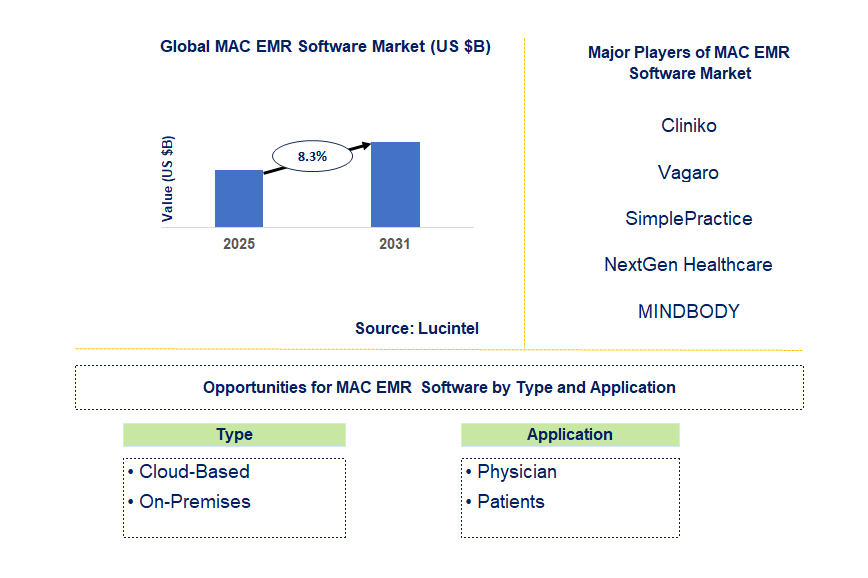
Key data points: The growth forecast = 8.3% annually for the next 7 years. Scroll below to get more insights. This market report covers Trends, opportunity and forecast in mac EMR software market to 2031 by type (cloud-based and on-premises), application (physician and patients), and region (North America, Europe, Asia Pacific, and the Rest of the World)
We'll send your sample report shortly.
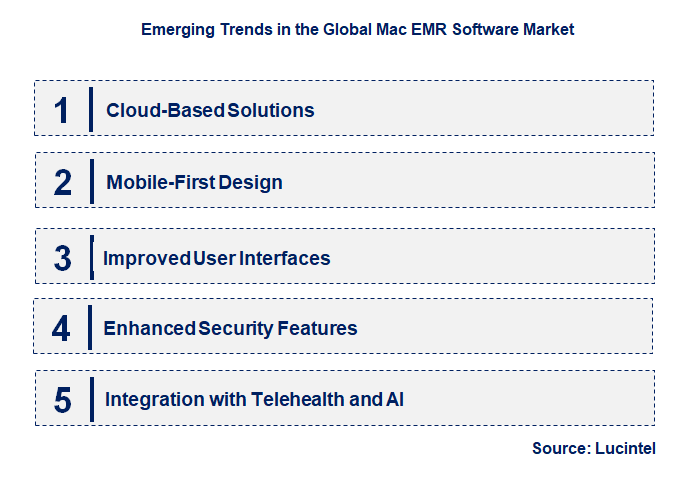
• Cloud-Based Solutions: Cloud-based Mac EMR systems offer greater accessibility, scalability, and cost-effectiveness compared to traditional on-premise solutions. They allow practitioners to access patient records from anywhere with an internet connection, facilitating remote consultations and collaborative care. The impact is improved accessibility, enhanced collaboration, and reduced IT infrastructure costs.
• Mobile-First Design: Mobile accessibility is crucial for today's healthcare professionals. Mac EMR software is increasingly designed with a mobile-first approach, offering intuitive apps for iPads and iPhones. This enables practitioners to access patient information, update records, and manage appointments on the go. The impact is increased efficiency, improved workflow, and greater flexibility for healthcare providers.
• Improved User Interfaces: User experience is a key differentiator in the Mac EMR market. Vendors are focusing on developing intuitive and user-friendly interfaces that are consistent with macOS design principles. This improves user adoption, reduces training time, and enhances overall satisfaction. The impact is increased user adoption, improved productivity, and reduced frustration.
• Enhanced Security Features: Protecting patient data is paramount. Mac EMR software is incorporating advanced security features, such as encryption, access control, and audit trails, to comply with HIPAA and other data privacy regulations. The impact is enhanced data protection, reduced security risks, and improved compliance.
• Integration with Telehealth and AI: Integrating Mac EMR systems with telehealth platforms and AI-powered tools is becoming increasingly important. This enables seamless virtual consultations, automated data analysis, and improved clinical decision support. The impact is improved patient care, enhanced efficiency, and new possibilities for remote healthcare delivery. These trends are collectively transforming the Mac EMR software market, pushing vendors to develop more innovative, user-friendly, and secure solutions. The focus is on providing Mac-using healthcare professionals with the tools they need to deliver high-quality care in an increasingly digital and mobile world. As technology continues to advance, the Mac EMR market will likely see further integration with emerging technologies and a continued emphasis on user experience and data security.
• Cloud-Native Mac EMR Solutions Gaining Traction: Mac EMR platforms are increasingly adopting cloud-native architecture, enabling providers to access patient records securely from any location and device. These solutions support real-time updates and collaboration, ensuring medical teams stay synchronized across clinics. The cloud approach also reduces reliance on traditional IT infrastructure, lowering maintenance costs and improving scalability. With Apple’s focus on seamless cloud integration through services like iCloud, Mac-native EMRs now offer a more cohesive experience for healthcare professionals using macOS devices. This shift is accelerating adoption among small to mid-sized practices seeking simplicity and mobility.
• AI and Predictive Analytics Integration: Recent updates to Mac-compatible EMR systems include AI-driven features such as voice dictation, automated charting, and predictive diagnostics. These capabilities reduce administrative burden and improve clinical decision-making. By integrating machine learning algorithms, EMRs can analyze patient data to flag potential health issues earlier and suggest tailored care plans. Apple’s robust processing power in Macs supports these computationally intensive tasks, enhancing performance. As a result, physicians using Mac EMRs experience increased efficiency, reduced burnout, and improved patient outcomes—key factors in competitive practice environments.
• Enhanced Telehealth Features Embedded in EMRs: In response to rising telemedicine demand, Mac EMR providers have embedded secure video conferencing, e-prescribing, and remote monitoring tools directly within EMR dashboards. These integrated features eliminate the need for third-party software, ensuring better workflow and data continuity. Mac’s high-resolution Retina displays and superior AV performance further enrich the virtual consultation experience. By streamlining telehealth capabilities within the EMR interface, providers deliver more consistent care while staying compliant with HIPAA and other regulations. This development has positioned Mac-based EMRs as a top choice for digitally forward medical practices.
• Improved Interoperability with Apple Health and Third-Party Systems: Mac EMR vendors are prioritizing interoperability by enabling seamless integration with Apple Health, HealthKit, and third-party EHR systems. These enhancements facilitate smoother data exchange across platforms and empower patients with access to their own health data. The move aligns with broader interoperability mandates such as the ONC’s Cures Act Final Rule. This capability not only supports patient-centric care but also reduces redundant testing and administrative overhead. For providers, improved interoperability ensures more holistic insights, thereby boosting diagnostic accuracy and treatment efficacy.
• Data Security Enhancements Leveraging macOS Ecosystem: Security remains a top concern, and recent Mac EMR software developments have capitalized on macOS’s native privacy and encryption capabilities. Features like Touch ID, FileVault encryption, and secure enclave processing are now integrated to protect sensitive health data. Vendors are also incorporating role-based access, audit trails, and multi-factor authentication to meet HIPAA and GDPR standards. These enhancements build trust among providers and patients, making Mac EMRs a strong choice for security-conscious practices. The Apple ecosystem’s emphasis on privacy further reinforces these advantages. These developments collectively signal a maturing Mac EMR software market that is aligning with healthcare's broader digital transformation. Cloud-native design, AI functionality, built-in telehealth, expanded interoperability, and reinforced data security are creating EMR platforms that are not only more efficient and user-friendly but also better suited for the evolving needs of healthcare providers. As these trends continue, Mac-based EMR systems are poised to gain greater market share, especially among practices valuing intuitive design, robust performance, and tight Apple ecosystem integration.
• Specialized EMR Solutions: Developing EMR software tailored to specific medical specialties, such as cardiology, dermatology, or ophthalmology, offers significant growth potential. These specialized solutions can incorporate features and workflows specific to each specialty, improving efficiency and clinical accuracy. The impact is improved workflow for specialists, enhanced accuracy, and increased user satisfaction.
• Enhanced Telehealth Integration: Seamless integration with telehealth platforms is crucial for modern healthcare delivery. Mac EMR software that allows for integrated video consultations, remote patient monitoring, and secure messaging can enhance patient care and expand access to healthcare. The impact is improved patient access, increased efficiency, and new revenue streams for clinics.
• AI-Powered Clinical Decision Support: Integrating AI and machine learning into Mac EMR systems can provide valuable clinical decision support. AI algorithms can analyze patient data to identify potential risks, suggest treatment options, and improve diagnostic accuracy. The impact is improved patient outcomes, enhanced clinical efficiency, and reduced medical errors.
• Mobile-First EMR Design: Designing Mac EMR software with a mobile-first approach, prioritizing iPad and iPhone compatibility, is essential. Mobile access allows practitioners to manage patient records, schedule appointments, and communicate with patients from anywhere. The impact is increased flexibility, improved workflow, and enhanced accessibility for healthcare professionals.
• Improved Interoperability: Enhancing interoperability with other healthcare systems, such as labs, pharmacies, and hospitals, is crucial for seamless data exchange and coordinated care. Mac EMR software that adheres to industry standards and offers robust API integrations can improve communication and reduce administrative burden. The impact is improved care coordination, reduced errors, and enhanced efficiency across the healthcare ecosystem. These growth opportunities are significantly impacting the Mac EMR software market, driving innovation and specialization. Vendors are focusing on developing tailored solutions that leverage the strengths of the macOS ecosystem and address the specific needs of Mac-using healthcare providers. The future of the Mac EMR market lies in its ability to provide integrated, mobile-first, and intelligent solutions that enhance patient care and improve clinical efficiency.
• Cliniko
• Vagaro
• SimplePractice
• NextGen Healthcare
• MINDBODY
• CounSol.com
• TheraNest
• TherapyNotes
• Deputy
• ChiroFusion
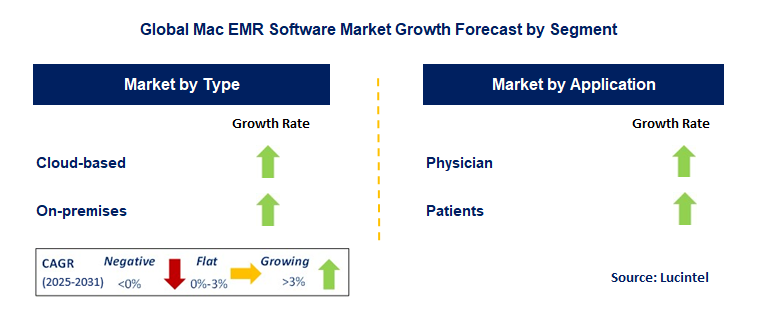
• Cloud-based
• On-premises
• Physician
• Patients
• North America
• Europe
• Asia Pacific
• The Rest of the World
• United States: The US market for Mac-based EMR software is mature and competitive. Recent developments include a strong emphasis on Meaningful Use compliance and certification, ensuring that EMR systems meet federal standards for electronic health record (EHR) use. There is also a growing focus on interoperability, with vendors developing solutions that can seamlessly exchange patient data with other healthcare providers and systems. Cloud-based Mac EMR solutions are gaining popularity, offering greater accessibility and scalability.
• China: The Chinese market for Mac EMR software is still relatively small but growing. The Chinese government is promoting the adoption of EHR systems in hospitals and clinics, which is driving demand for EMR software, including Mac-compatible options. Recent developments include the development of EMR systems tailored to the specific needs of Chinese healthcare providers, such as support for traditional Chinese medicine. Mobile EMR solutions are also gaining traction in China, particularly in rural areas.
• Germany: The German market for Mac EMR software is characterized by a strong focus on data privacy and security, driven by strict regulations like GDPR. German healthcare providers are prioritizing EMR systems that offer robust security features and comply with data protection laws. Recent developments include the development of secure cloud-based EMR solutions and the integration of EMR systems with national healthcare networks.
• India: The Indian market for Mac EMR software is at a nascent stage but has growth potential. The Indian government is promoting the digitization of healthcare records, which is creating opportunities for EMR software vendors. Recent developments include the development of affordable Mac EMR solutions for smaller clinics and individual practitioners. There is also a growing focus on supporting regional languages in EMR systems.
• Japan: The Japanese market for Mac EMR software is relatively small but specialized. Japanese healthcare providers are known for their meticulous approach to data management and patient care. Recent developments include the development of EMR systems that incorporate advanced features for patient charting and clinical decision support. There is also a focus on user-friendly interface design and seamless integration with Japanese healthcare workflows.


• Cliniko
• Vagaro
• SimplePractice
• NextGen Healthcare
• MINDBODY
• CounSol.com
• TheraNest
• TherapyNotes
• Deputy
• ChiroFusion Q5. Which mac EMR software market segment will be the largest in future? Answer: Lucintel forecasts that cloud-based is expected to witness higher growth over the forecast period. Q6. In mac EMR software market, which region is expected to be the largest in next 5 years? Answer: APAC is expected to witness the highest growth over the forecast period. Q7. Do we receive customization in this report? Answer: Yes, Lucintel provides 10% customization without any additional cost.


Choose a license that fits your team. Instant PDF delivery.
Prices exclude taxes. Instant delivery. Custom licensing available on request.
Market Report · July 15, 2026
Market Report · June 26, 2026
Market Report · June 24, 2026
Trusted partner for strategic intelligence and business growth


Receive a complimentary market analysis tailored to your industry. Our analysts will identify key growth opportunities and competitive dynamics specific to your business.

Market size, growth rate, and key trend analysis for your specific sector.

Top competitor positioning and market share analysis.

Strategic recommendations backed by data-driven insights.
Get curated market intelligence and competitive moves straight to your inbox.
By subscribing, you agree to receive our monthly insights. Unsubscribe anytime.
Receive a complimentary market analysis tailored to your industry. Our analysts will identify key growth opportunities and competitive dynamics specific to your business.
Market size, growth rate, and key trend analysis for your specific sector.
Top competitor positioning and market share analysis.
Strategic recommendations backed by data-driven insights.
Get curated market intelligence, emerging trends, and competitive moves straight to your inbox each month.
By subscribing, you agree to receive our monthly insights. Unsubscribe anytime.
We'll send your sample report shortly.