
Market Report · May 16, 2026

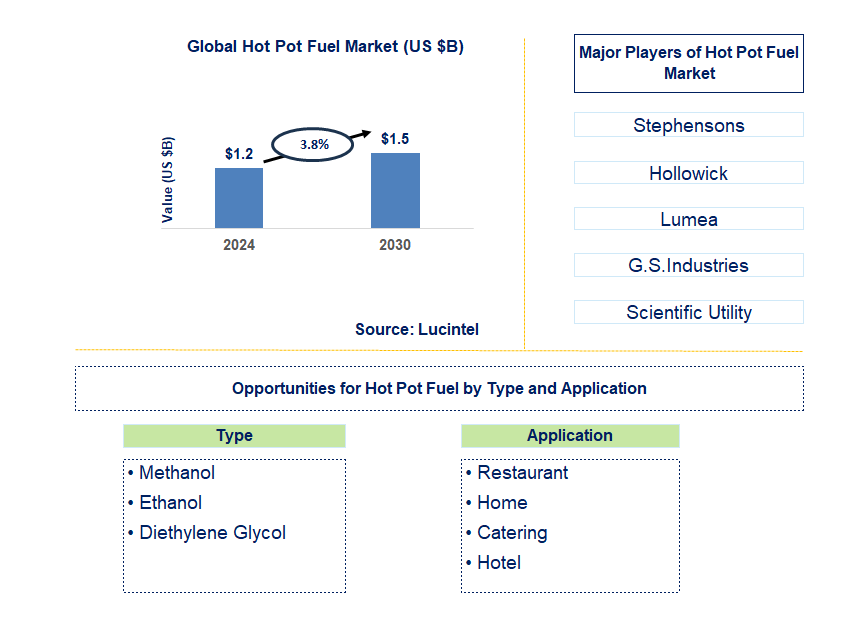
Key data points: The market size in 2030 = $1.5 billion, growth forecast = 3.8% annually for the next 6 years. Scroll below to get more insights. This market report covers trends, opportunities, and forecasts in the global hot pot fuel market to 2030 by type (methanol, ethanol, and diethylene glycol), application (restaurant, home, catering, and hotel), and region (North America, Europe, Asia Pacific, and the Rest of the World)
We'll send your sample report shortly.
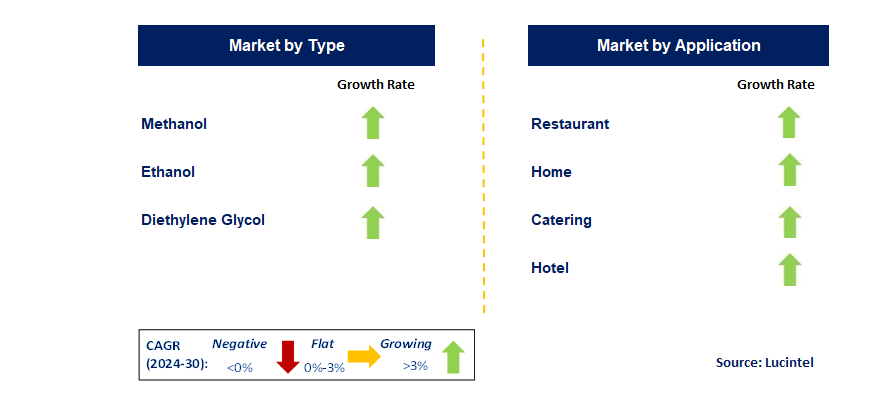
• Lucintel forecasts that, within the type category, methanol will remain the largest segment because it is popular kind of fuel for hot pots that is valued for its affordability and high energy content.
• Within the application category, restaurant will remain the largest segment due to their capacity to continuously generate tremendous heat and their effective burning qualities.
• In terms of regions, APAC is expected to witness the highest growth over the forecast period due to popularity of hot pot cuisine and the region’s large population. Gain valuable insights for your business decisions with our comprehensive 150+ page report.
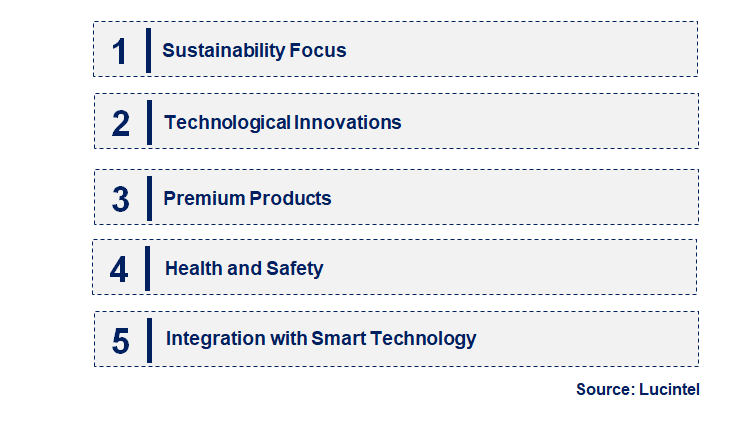
• Sustainability Focus: There is an increasing demand from consumers and regulations for less harmful fuels for the environment, such as bioethanol and gas.
• Technological Innovations: There has been an increase in fuel technology, particularly in fuel-efficient burners and compact designs that maximize user experience and fuel efficiency.
• Premium Products: Premium hot pot fuels, which burn for a longer duration and are purer, are in demand because a quality customer base is being serviced.
• Health and Safety: Consumers are more keen on using healthier and safer fuels, thus driving the creation of safer, low-emission products.
• Integration with Smart Technology: Smart technology is making its way into hot pot systems with applications such as temperature management and fuel usage monitoring.
• Online Retail Expansion: With the advent of online shopping for hot pot fuels, many consumers can purchase a wide range of products, contributing to the growth of the market. The hot pot fuel market is constantly changing in favor of environmental friendliness, technological progress, and user convenience. These trends point to a growing preference for the latest generation of more sophisticated, efficient, and green fuels.
• Eco-Friendly Alternatives: There is increasing attention on biofuels, such as bioethanol and natural gas, due to the encroaching political and environmental movements.
• Technological Advancements: Innovations in fuel efficiency and burner technology have enhanced system performance and user experience, leading to the use of better hot pot systems.
• Increased Availability: The growth of hot pot fuels through both online channels and physical stores gives more consumers the opportunity to choose from various options.
• Rising Popularity: Hot pot, a modern way of sharing meal experiences, has created a need for better and easier alternatives to combustion fuels.
• Regulatory Changes: New policies aimed at curbing emissions and environmental damage have shifted tendencies toward cleaner fuel development and use.
• Consumer Education: Efforts to educate consumers about hot pot cooking and available fuel options contribute to market growth. The latest trends observed in the hot pot fuel market indicate a significant shift towards sustainability, the use of advanced technology, and greater availability for consumers, highlighting the vibrant expansion and evolution of the market.
• Restaurant Sector: The increasing number of hot pot restaurants creates great opportunities for bulk fuel supply and offers personalized solutions suitable for high-intensity usage.
• Residential Use: A surge in the popularity of hot pot cooking at home provides room for new product development and penetration into retail channels.
• Portable Solutions: Interest in portable and easy-to-use fuels, such as canisters and eco-friendly portable burners, is growing, especially for outdoor use and travel.
• Health-Conscious Products: The trend for health-centered and eco-friendly fuel development matches the growing consumer concern for health.
• Smart Hot Pot Systems: There is potential for developing new fuel types for hot pots by incorporating smart technologies that enhance usage efficiency. The hot pot fuel market presents significant growth opportunities, including targeting restaurant industry demand, improving residential and portable solutions, and focusing on emerging health-aware products and smart technology trends.
• Cultural Popularity: The increase in demand for hot pot as a dining experience, especially in new and potential markets, supports the hot pot fuel market.
• Technological Advancements: Enhancements in fuel-saving technology and burners improve performance and consumer satisfaction, thus benefiting the market.
• Consumer Preferences: Increased consumer interest in hot pot fuels is evident.
• Sustainability Trends: Awareness of the benefits of transitioning to cleaner and non-conventional fuels is pervasive and drives market change.
• Retail Expansion: The growth of the hot pot fuel market, with food fuel options purchased in grocery stores or online, broadens market access. Challenges in the hot pot fuel market are:
• Regulatory Compliance: One of the major issues facing fuel manufacturers is the need to comply with various environmental regulations, which can be overwhelming and costly.
• Market Competition: Utilizing diverse marketing techniques is crucial for fuel providers to create and maintain their market presence due to fierce competition.
• Consumer Education: Informing potential clients about the usability and safety of appliances and fuels is essential but can be time-consuming and resource-intensive.
• Supply Chain Issues: Market stability can be disrupted by fluctuations in raw material prices, increased transportation costs, and occasional shortages of quality fuels.
• Health Concerns: Emissions and their residues pose significant issues that need to be addressed to promote market acceptance and growth. The market for hot pot fuels responds to cultural and technological developments but continues to face regulatory, competitive, and supply chain challenges. These factors must be addressed to prevent stagnation and foster innovation.
• Stephensons
• Hollowick
• Lumea
• G.S.Industries
• Scientific Utility
• Sterno
• Blaze
• Triveni Interchem
• Cheflink
• Gel Chafing Dish Fuel
• Methanol
• Ethanol
• Diethylene Glycol
• Restaurant
• Home
• Catering
• Hotel
• North America
• Europe
• Asia Pacific
• The Rest of the World
• USA: The hot pot fuel market in the USA has witnessed an uptick in demand due to increased interest in Asian cuisine. Recent developments include portable and eco-friendly fuels like bioethanol burners and small gas canisters. New premium and organic fuel options are also available, aligning with emerging health and fitness trends. Leading brick-and-mortar stores and e-commerce sites have increased the range of hot pot fuels available to consumers across the country.
• China: The hot pot fuel market in Chinese remains active, with many enthusiasts in the country. Recent developments include improvements in fuel technology, leading to more effective and longer-lasting options. There is also a significant rise in electric and induction hot pot systems, which minimize the use of conventional fuels. The growth of online food ordering services, coupled with an expanding middle class, has accelerated market expansion.
• India: India has a growing hot pot market fueled by urbanization and a craving for new types of food. Recent developments include the implementation of cheaper and more accessible fuel sources, such as LPG and charcoal. Additionally, businesses are working to introduce hot pot cooking to households, increasing market demand. There is also a gradual shift towards the use of biofuels to align with national sustainable development targets.
• Japan: Japan’s hot pot fuel market has seen heterogeneous growth due to its hot pot culture and advanced technology. Recent developments include the introduction of compact and lightweight solutions for safe and affordable fuel, such as new ethanol burners and built-in induction cooktop systems. There is also a trend towards premium and nature-oriented fuels, reflecting Japanese consumers' desire for quality combined with sustainability. The market is supported by a well-established hot pot culture and sophisticated consumer base.


• Stephensons
• Hollowick
• Lumea
• G.S.Industries
• Scientific Utility
• Sterno
• Blaze
• Triveni Interchem
• Cheflink
• Gel Chafing Dish Fuel Q6. Which hot pot fuel market segment will be the largest in future? Answer: Lucintel forecasts that methanol will remain the largest segment because it is popular kind of fuel for hot pots that is valued for its affordability and high energy content. Q7. In hot pot fuel market, which region is expected to be the largest in next 5 years? Answer: APAC is expected to witness the highest growth over the forecast period due to popularity of hot pot cuisine and the region’s large population. Q.8 Do we receive customization in this report? Answer: Yes, Lucintel provides 10% customization without any additional cost.


Choose a license that fits your team. Instant PDF delivery.
Prices exclude taxes. Instant delivery. Custom licensing available on request.
Market Report · May 16, 2026
Market Report · May 16, 2026
Market Report · May 16, 2026
Trusted partner for strategic intelligence and business growth


Receive a complimentary market analysis tailored to your industry. Our analysts will identify key growth opportunities and competitive dynamics specific to your business.

Market size, growth rate, and key trend analysis for your specific sector.

Top competitor positioning and market share analysis.

Strategic recommendations backed by data-driven insights.
Get curated market intelligence and competitive moves straight to your inbox.
By subscribing, you agree to receive our monthly insights. Unsubscribe anytime.
Receive a complimentary market analysis tailored to your industry. Our analysts will identify key growth opportunities and competitive dynamics specific to your business.
Market size, growth rate, and key trend analysis for your specific sector.
Top competitor positioning and market share analysis.
Strategic recommendations backed by data-driven insights.
Get curated market intelligence, emerging trends, and competitive moves straight to your inbox each month.
By subscribing, you agree to receive our monthly insights. Unsubscribe anytime.
We'll send your sample report shortly.