
Market Report · July 22, 2026

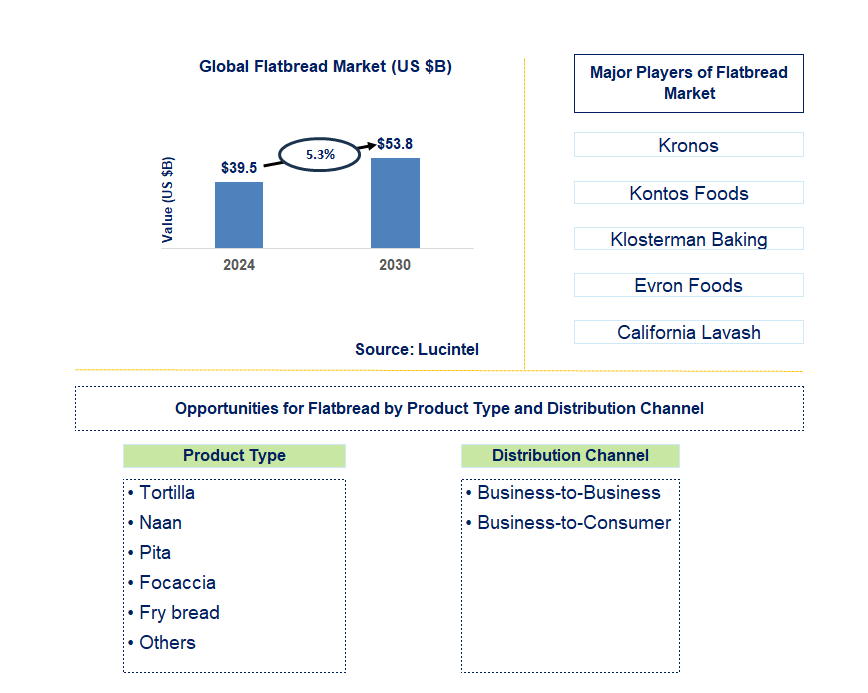
Key data points: The market size in 2030 = $53.8 billion, growth forecast = 5.3% annually for the next 6 years. Scroll below to get more insights. This market report covers trends, opportunities, and forecasts in the global flatbread market to 2030 by product type (tortilla, naan, pita, focaccia, fry bread, and others), distribution channel (business-to-business and business-to-consumer), and region (North America, Europe, Asia Pacific, and the Rest of the World)
We'll send your sample report shortly.
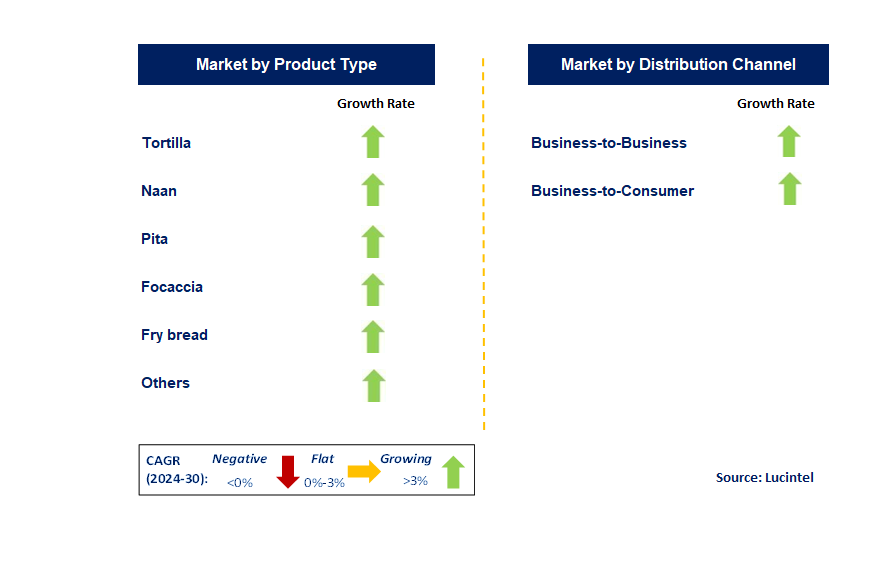
• Lucintel forecasts that, within the product type category, tortilla will remain the largest segment over the forecast period.
• Within the distribution channel category, business-to-business will remain larger segment over the forecast period.
• In terms of regions, North America will remain the largest region over the forecast period. Gain valuable insights for your business decisions with our comprehensive 150+ page report.
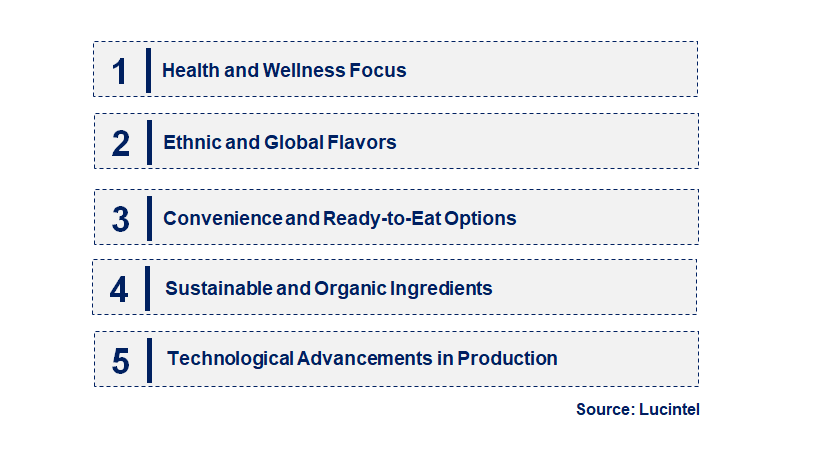
• Health and Wellness Focus: Consumers are increasingly seeking healthier flatbread options, leading to a rise in demand for gluten-free, low-carb, and whole grain varieties. This trend is driven by growing health awareness and dietary preferences, prompting manufacturers to innovate with alternative ingredients and formulations. Health-conscious consumers are also interested in flatbreads with added nutritional benefits, such as high fiber or protein content. This shift towards wellness-oriented products is expanding the market and attracting new customer segments.
• Ethnic and Global Flavors: There is a growing interest in ethnic and globally inspired flatbreads, driven by the expanding palate of consumers. Varieties such as Middle Eastern flatbreads, Indian naan, and Italian focaccia are becoming more popular in diverse markets. This trend reflects a broader fascination with international cuisine and a desire for novel taste experiences. Food producers are responding by offering a wider range of flavors and styles, catering to adventurous eaters and enhancing the overall appeal of flatbreads.
• Convenience and Ready-to-Eat Options: The demand for convenience is reshaping the flatbread market, with an increasing focus on ready-to-eat and easy-to-prepare products. Busy lifestyles and the need for quick meal solutions are driving growth in pre-packaged, frozen, and shelf-stable flatbreads. Innovations in packaging and preservation technology are making it possible to offer fresh-tasting products with extended shelf life. This trend is particularly strong in urban areas, where consumers seek convenient yet high-quality food options.
• Sustainable and Organic Ingredients: Sustainability and organic ingredients are becoming key considerations in the flatbread market. Consumers are increasingly concerned about environmental impact and the origin of their food, leading to a rise in demand for organic and sustainably sourced flatbreads. Producers are responding by adopting eco-friendly practices and using organic grains and ingredients. This trend not only aligns with broader sustainability goals but also appeals to environmentally conscious consumers looking for responsible food choices.
• Technological Advancements in Production: Advancements in production technology are enhancing the quality and efficiency of flatbread manufacturing. Innovations such as automated baking processes, improved ingredient blending, and advanced fermentation techniques are contributing to consistent product quality and reduced production costs. These technological developments enable producers to scale operations and meet growing demand while maintaining high standards. The integration of technology is also facilitating customization and innovation, allowing for a wider variety of flatbread products to reach the market. These emerging trends are reshaping the flatbread market by driving innovation, enhancing consumer choices, and responding to changing preferences. The focus on health, global flavors, convenience, sustainability, and technological advancements is expanding the market and creating new opportunities for producers and retailers. As these trends continue to evolve, they will play a crucial role in defining the future landscape of the flatbread industry.
• Expansion of Gluten-Free Options: The flatbread market is seeing significant growth in gluten-free options to cater to consumers with dietary restrictions or preferences. Advances in gluten-free flour blends and production techniques are improving the taste and texture of these products. This development is making flatbreads more accessible to a broader audience, including those with celiac disease or gluten sensitivity, and is expanding market opportunities for producers.
• Rise of Artisan and Craft Flatbreads: Artisan and craft flatbreads are gaining popularity as consumers seek high-quality, hand-crafted products. This trend is characterized by the use of traditional baking methods, unique ingredients, and regional specialties. The focus on artisanal production appeals to consumers who value authenticity and are willing to pay a premium for superior quality. This development is fostering a niche market for gourmet flatbreads and supporting local and small-scale producers.
• Growth of Flatbread in Fast-Casual and Foodservice: Flatbreads are increasingly featured in fast-casual and foodservice establishments, reflecting a broader trend towards versatile and customizable menu options. Restaurants and food trucks are incorporating flatbreads into a variety of dishes, from wraps and sandwiches to pizzas and quesadillas. This development is driven by the flatbread’s versatility, ease of preparation, and appeal to diverse consumer tastes, enhancing its presence in the dining out segment.
• Technological Innovations in Production: Technological advancements are revolutionizing flatbread production, improving efficiency and product quality. Innovations such as automated mixing and baking processes, enhanced ingredient blending, and precise fermentation control are streamlining production and enabling greater consistency. These technological developments are allowing producers to scale operations, reduce costs, and meet the growing demand for high-quality flatbreads.
• Increased Availability of Global Varieties: The availability of global flatbread varieties is expanding as consumer interest in diverse cuisines grows. Products such as Middle Eastern pita, Indian paratha, and Mediterranean focaccia are becoming more widely accessible in supermarkets and specialty stores. This development is driven by the globalization of food trends and the desire for new culinary experiences. It is broadening the market for flatbreads and catering to an increasingly adventurous consumer base. These developments are reshaping the flatbread market by diversifying product offerings, enhancing production capabilities, and catering to evolving consumer preferences. The expansion of gluten-free and artisan options, the growth of flatbread in foodservice, and technological innovations are all contributing to a more dynamic and competitive market. As these trends continue to evolve, they will likely drive further growth and transformation in the flatbread industry.
• Health and Wellness Products: The increasing consumer focus on health and wellness presents a significant growth opportunity for flatbread producers. Developing flatbreads with added nutritional benefits, such as high fiber, protein, and low glycemic index options, can attract health-conscious consumers. This trend is supported by a growing demand for functional foods that contribute to overall well-being. Producers can differentiate their products through innovative formulations and health-focused marketing strategies.
• Global Cuisine Integration: Integrating flatbreads into global cuisine offers substantial growth potential. By incorporating traditional flatbreads into diverse culinary applications, such as fusion dishes and international menus, producers can appeal to adventurous eaters and capitalize on the trend towards multicultural dining. This opportunity involves developing new recipes and partnerships with restaurants and foodservice operators to expand the reach of flatbread products in various culinary contexts.
• Convenience and On-the-Go Options: The demand for convenience foods is driving growth in ready-to-eat and on-the-go flatbread options. Developing products that are easy to prepare, store, and consume can meet the needs of busy consumers seeking quick meal solutions. Innovations in packaging and preservation technology can enhance product convenience and shelf life, making flatbreads more appealing for consumers with hectic lifestyles.
• Sustainable and Organic Offerings: There is a growing opportunity to tap into the market for sustainable and organic flatbreads. Consumers are increasingly prioritizing environmental and health considerations, leading to a demand for products made with organic ingredients and eco-friendly practices. Producers can leverage this trend by adopting sustainable sourcing methods, reducing packaging waste, and highlighting their commitment to environmental stewardship.
• Expansion in Foodservice and Retail Channels: Expanding flatbread offerings in foodservice and retail channels presents a strategic growth opportunity. By partnering with restaurants, cafes, and supermarkets, producers can increase product visibility and accessibility. This includes developing new menu items, such as flatbread-based pizzas and wraps, and enhancing retail presence with innovative packaging and promotional strategies. Expanding distribution channels can help reach a broader audience and drive market growth. These strategic growth opportunities highlight the potential for expanding the flatbread market through health-focused products, global cuisine integration, convenience options, sustainability, and channel expansion. By addressing these areas, businesses can align with evolving consumer preferences, drive innovation, and capture new market segments. These opportunities are likely to shape the future of the flatbread industry and contribute to its ongoing growth and development.
• Growing Health Consciousness: Increased health consciousness among consumers is a major driver for the flatbread market. There is rising demand for healthier food options, such as gluten-free, low-carb, and high-fiber flatbreads. This trend is prompting manufacturers to innovate with healthier ingredients and formulations, catering to health-conscious consumers and expanding market opportunities.
• Technological Advancements: Technological advancements in production processes are driving efficiency and quality improvements in the flatbread market. Innovations such as automated baking, precise ingredient blending, and advanced fermentation techniques are enhancing product consistency and reducing production costs. These advancements enable producers to scale operations and meet growing demand effectively.
• Rising Popularity of Global Cuisines: The increasing popularity of global cuisines is boosting the demand for diverse flatbread varieties. As consumers become more adventurous in their food choices, there is a growing interest in ethnic and international flatbreads. This trend is encouraging producers to offer a wider range of products and explore new culinary applications.
• Convenience and On-the-Go Consumption: The demand for convenience and on-the-go food options is a significant driver in the flatbread market. Busy lifestyles and the need for quick meal solutions are fueling growth in ready-to-eat and easy-to-prepare flatbread products. Innovations in packaging and preservation are enhancing product convenience and appeal to consumers seeking time-saving options.
• Increased Focus on Sustainability: Sustainability is becoming a key driver in the flatbread market, with consumers increasingly prioritizing eco-friendly and organic products. The demand for sustainably sourced ingredients and environmentally responsible practices is influencing market trends. Producers are responding by adopting sustainable practices and offering organic flatbread options, aligning with consumer values and expectations. Challenges in the flatbread market are:
• Supply Chain Disruptions: Supply chain disruptions, including fluctuations in raw material availability and transportation challenges, pose a significant challenge to the flatbread market. These disruptions can impact production schedules, increase costs, and affect product availability. Producers need to develop strategies to mitigate supply chain risks and ensure consistent product delivery.
• Regulatory Compliance: Regulatory compliance is a challenge for the flatbread market, particularly concerning labeling, food safety, and ingredient standards. Navigating complex regulations and ensuring adherence to food safety requirements can be resource-intensive for producers. Staying informed about regulatory changes and maintaining compliance is essential for market success.
• Intense Competition: The flatbread market is highly competitive, with numerous players vying for market share. Intense competition can lead to pricing pressures, reduced profit margins, and challenges in differentiating products. Producers need to focus on innovation, quality, and effective marketing strategies to stand out in a crowded market and attract consumers. The drivers and challenges identified reflect the dynamic nature of the flatbread market. While growing health consciousness, technological advancements, global cuisine popularity, convenience demand, and sustainability are driving market growth, supply chain disruptions, regulatory compliance, and intense competition present significant challenges. Addressing these factors is crucial for businesses to navigate the market effectively and capitalize on opportunities for success.
• Kronos
• Kontos Foods
• Klosterman Baking Company
• Evron Foods
• California Lavash
• GRUMA
• La Brea Bakery
• Kronos
• Olé Mexican Foods
• Tyson Foods
• Tortilla
• Naan
• Pita
• Focaccia
• Fry bread
• Others
• Business-to-Business
• Business-to-Consumer
• North America
• Europe
• Asia Pacific
• The Rest of the World
• United States: In the U.S., the flatbread market is expanding due to rising consumer interest in healthier eating options and multicultural cuisine. Innovations include gluten-free and organic flatbreads that cater to health-conscious consumers. Additionally, there is a growing trend of incorporating ethnic flavors and ingredients, such as za'atar and harissa, into flatbreads. The market is also benefiting from the proliferation of food trucks and fast-casual restaurants offering gourmet flatbread options. Overall, these trends reflect a shift towards premium, versatile flatbread products in the American market.
• China: In China, flatbread is increasingly being integrated into modern cuisine. Traditionally consumed in northern regions, it is now becoming popular across the country due to its convenience and adaptability. This trend is driven by urbanization and changing lifestyles that favor quick, easy-to-prepare meals. Local variations, such as Chinese-style naan and jianbing (savory crepes), are gaining traction, with increased availability in supermarkets and restaurants. The rise of international food chains also contributes to this trend, introducing diverse flatbread options to Chinese consumers.
• Germany: Germany’s flatbread market is seeing a rise in health-conscious choices and artisan production. There is growing demand for whole grain and spelt flatbreads, reflecting broader European trends towards healthier eating. Additionally, artisanal and locally produced flatbreads are gaining popularity, driven by a strong consumer preference for high-quality, traditional food products. Innovations in baking technology, such as the use of sourdough and ancient grains, are also contributing to market growth. This focus on quality and health is reshaping the flatbread landscape in Germany.
• India: In India, flatbreads, including naan, roti, and paratha, remain staples of traditional cuisine. However, recent developments highlight a growing trend towards regional varieties and innovative recipes. Modern consumers are seeking diverse options, such as stuffed and flavored flatbreads that often incorporate global ingredients. The rise of online grocery stores and ready-to-eat flatbread products is also expanding market reach. This evolution reflects a blending of traditional and contemporary culinary practices, catering to both local tastes and modern convenience.
• Japan: In Japan, flatbread is gaining popularity through fusion cuisine and convenience offerings. While traditional Japanese foods dominate, there is increasing interest in international flatbread varieties, especially in urban areas. Innovations include the integration of flatbreads into Japanese dishes and the creation of convenient, ready-to-eat products. This trend is supported by the growing influence of global cuisine and a demand for quick, versatile meal options. The introduction of flatbread-based snacks and fast-food items is also contributing to the market’s expansion in Japan.


• Kronos
• Kontos Foods
• Klosterman Baking Company
• Evron Foods
• California Lavash
• GRUMA
• La Brea Bakery
• Kronos
• Olé Mexican Foods
• Tyson Foods Q6. Which flatbread market segment will be the largest in future? Answer: Lucintel forecasts that tortilla will remain the largest segment over the forecast period. Q7. In flatbread market, which region is expected to be the largest in next 5 years? Answer: North America will remain the largest region over the forecast period. Q.8 Do we receive customization in this report? Answer: Yes, Lucintel provides 10% customization without any additional cost.


Choose a license that fits your team. Instant PDF delivery.
Prices exclude taxes. Instant delivery. Custom licensing available on request.
Market Report · July 22, 2026
Market Report · July 16, 2026
Market Report · May 18, 2026
Trusted partner for strategic intelligence and business growth


Receive a complimentary market analysis tailored to your industry. Our analysts will identify key growth opportunities and competitive dynamics specific to your business.

Market size, growth rate, and key trend analysis for your specific sector.

Top competitor positioning and market share analysis.

Strategic recommendations backed by data-driven insights.
Get curated market intelligence and competitive moves straight to your inbox.
By subscribing, you agree to receive our monthly insights. Unsubscribe anytime.
Receive a complimentary market analysis tailored to your industry. Our analysts will identify key growth opportunities and competitive dynamics specific to your business.
Market size, growth rate, and key trend analysis for your specific sector.
Top competitor positioning and market share analysis.
Strategic recommendations backed by data-driven insights.
Get curated market intelligence, emerging trends, and competitive moves straight to your inbox each month.
By subscribing, you agree to receive our monthly insights. Unsubscribe anytime.
We'll send your sample report shortly.