
Market Report · July 16, 2026

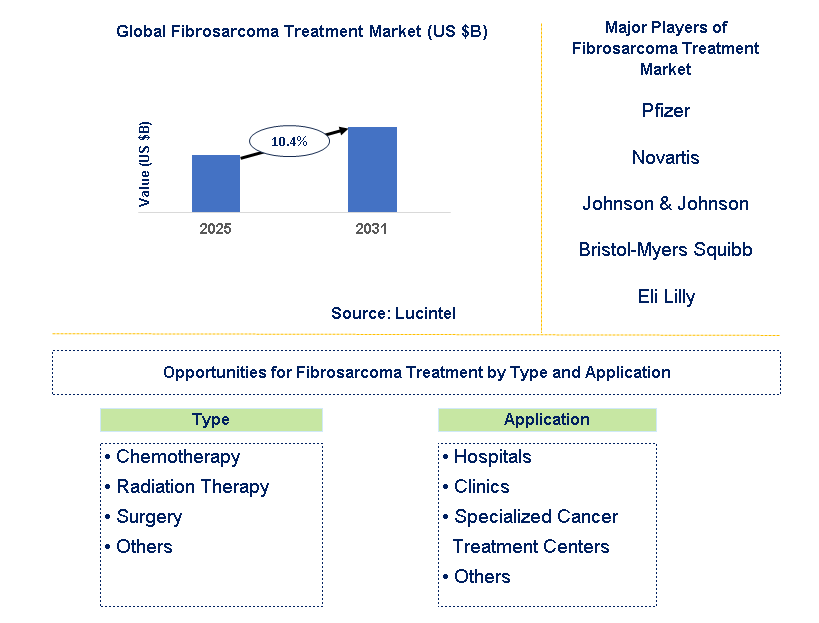
Key data points: The growth forecast = 10.4% annually for the next 7 years. Scroll below to get more insights. This market report covers trends, opportunities and forecasts in fibrosarcoma treatment market to 2031 by type (chemotherapy, radiation therapy, surgery, and others), application (hospitals, clinics, specialized cancer treatment centers, and others), and region (North America, Europe, Asia Pacific, and the Rest of the World)
We'll send your sample report shortly.
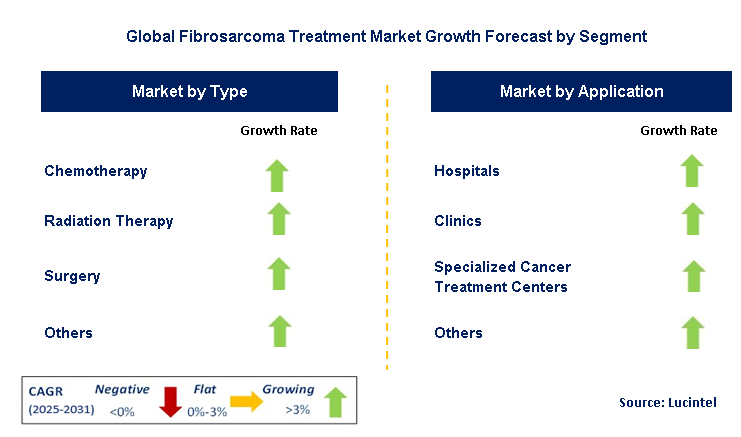
• Lucintel forecasts that, within the type category, surgery is expected to witness the highest growth over the forecast period.
• Within the application category, hospital is expected to witness the highest growth.
• In terms of region, APAC is expected to witness the highest growth over the forecast period. Gain valuable insights for your business decisions with our comprehensive 150+ page report. Sample figures with some insights are shown below.
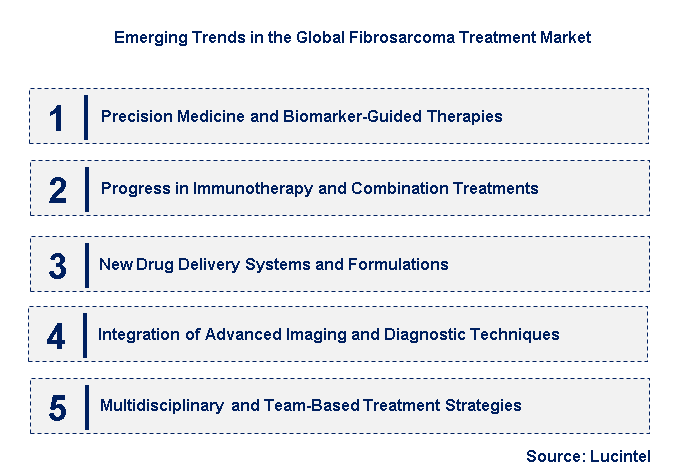
• Precision Medicine and Biomarker-Guided Therapies: This movement entails the personalization of fibrosarcoma therapy in accordance with the individual genetic and molecular features of a patient's tumor. Genomic sequencing developments permit the detection of actionable biomarkers (e.g., protein overexpression, gene mutations) that specific drugs can target. The effect is a shift from blanket chemotherapy to more effective, less toxic, and targeted therapies. Treatment is optimized by this strategy to deliver better response rates and, perhaps, longer survival for cancer patients whose tumors contain recognizable targets.
• Progress in Immunotherapy and Combination Treatments: Immunotherapy, especially checkpoint inhibitors, is a promising therapy for some sarcomas, including fibrosarcoma. Although fibrosarcoma's are "cold tumors" (less sensitive to immunotherapy), studies are targeting combination therapies, e.g., immunotherapy with chemotherapy, radiation, or other targeted therapy, to increase immune activation. The effect is a possible success story for non-responsive patients, providing new hope to tap into the body's own immune system to combat the cancer, and potentially resulting in more long-lasting responses.
• New Drug Delivery Systems and Formulations: This trend is aimed at creating new means of delivering therapeutic agents against fibrosarcoma tumors, with the goal of maximizing the concentration of drug at the tumor location and reducing side effects from the entire body. This incorporates studies on the use of nanotechnology-based drug delivery, liposomal formulations, and intratumorally injections. Oral forms of previously injectable medications are also being formulated to enhance patient convenience and compliance. The effect is increased efficacy of drugs, lower toxicity to healthy tissues, better patient quality of life, and increased convenience for drug administration, making the treatments more accessible.
• Integration of Advanced Imaging and Diagnostic Techniques: Enhanced diagnostic ability is having a profound impact on the fibrosarcoma market. This encompasses the application of sophisticated imaging methods such as MRI and PET scanning for precise tumor staging and response evaluation, as well as liquid biopsies for non-invasive monitoring of disease recurrence and progression. Next-generation sequencing genetic profiling is increasingly becoming routine to direct therapy. The benefits are earlier and more precise diagnosis, improved monitoring of the efficacy of treatment, and the capacity to identify minimal residual disease, with the resultant earlier intervention and enhanced patient outcomes.
• Multidisciplinary and Team-Based Treatment Strategies: There is a greater focus on multidisciplinary fibrosarcoma treatment, with integration of surgical oncologists, radiation oncologists, medical oncologists, pathologists, and radiologists. This integrative strategy ensures global and end-to-end care and best treatment planning suited to the individual case of every patient. International networking and sharing of data among research centers is also on the rise. The effect is better treatment outcomes through coordinated treatment, access to subspecialist expertise, and faster research advancement through sharing resources and experience, resulting in an integrated and more efficient management approach to this rare malignancy. These new trends are all combining to redefine the fibrosarcoma treatment market by driving a paradigm shift from mass-based therapies to very targeted, patient-focused strategies. The emphasis on precision medicine, new immunotherapies, cutting-edge drug delivery, advanced diagnostics, and team care is resulting in more efficient, less toxic, and individualized treatment modalities. This development provides new hope for better prognosis and quality of life for patients with fibrosarcoma, turning a previously difficult picture into one of rising therapeutic promise.
• Onset of Targeted Sarcoma Therapies: An important advancement is the growing onset of targeted therapies engineered to block molecular pathways involved in the development of sarcomas, including fibrosarcoma. Although not all fibrosarcoma's are targetable, investigation of particular genetic mutations (e.g., NTRK fusions, EZH2 mutations) has resulted in the identification of drugs such as neratinib, Larotrectinib, or tazemetostat with activity in particular sarcoma subgroups. The effect is a more accurate and perhaps less hazardous treatment choice in a specific population of patients, away from broad-spectrum chemotherapy and towards personalized medicine.
• Progress in Immunotherapy Research: Recent years have witnessed significant research into the contribution of immunotherapy to fibrosarcoma therapy. Although fibrosarcoma is assumed to be less immunogenic than many other malignancies, clinical trials are underway evaluating the effectiveness of checkpoint inhibitors (e.g., pembrolizumab, nivolumab) as single agents or combined with chemotherapy or radiation. Research on new immunotherapeutic modalities such as oncolytic viruses or adoptive cell therapies is also ongoing. The effect is the possible creation of a new therapeutic option for refractory cases, potentially providing durable responses to patients who had few options before.
• Advances in Surgical Methods and Adjuvant Therapies: Advances in oncologic surgery have created better, more precise, and less invasive methods for resection of fibrosarcoma tumors with complete resection and sparing of function. This goes hand in hand with improved adjuvant treatments, including intensity-modulated radiation therapy (IMRT) and proton therapy, that enable more precise radiation delivery with less harm to the surrounding healthy tissues. The result is enhanced local control of the disease, lower recurrence rates, and better functional results and quality of life for patients after surgery, which is essential since surgery remains the most important treatment.
• Better Diagnostic Tools and Biomarker Discovery: There has been significant progress in diagnostic techniques, such as newer imaging modalities (high-resolution MRI, PET-CT) to better delineate and stage tumors. Even more importantly, there is rising use of comprehensive genomic profiling and liquid biopsies to detect unique molecular signatures and biomarkers. This enables more specific diagnosis, risk stratification, and the recognition of targets for therapy. The effect is earlier and more precise diagnosis, which is vital for an uncommon tumor such as fibrosarcoma, allowing early and more appropriate treatment choice and follow-up.
• Novel Chemotherapy Regimens and Delivery: Though chemotherapy is frequently a foundation of fibrosarcoma therapy, advances now include optimization of current regimens and investigation of novel combinations to enhance efficacy and control toxicity. There is also work on new drug delivery systems, like liposomal chemotherapy formulations, that have the purpose of getting higher drug concentration in tumors with less systemic side effects. The potential benefit is possibly improved response rates in metastatic or advanced fibrosarcoma, improved tolerability of systemic therapy, and widening therapeutic alternatives available, especially when surgery is not an option. These new emerging factors are collectively influencing the treatment market of Fibrosarcoma by introducing more diversified and effective therapeutic management. Targeted and immunotherapies have introduced personalized avenues, while improved surgical and radiation techniques enhance local control. Improved diagnostics also allow for more accurate selection of appropriate treatment, and more refined chemotherapy regimens contribute to superior systemic management. This is indeed improving the prospects for patients with fibrosarcoma.
• Rare Mutation Targeted Therapy Development: One of the high growth areas is the development and marketing of targeted drugs for unique, but rare, genetic mutations found in fibrosarcoma and other soft tissue sarcomas. With increasing genomic sequencing, the identification of these unique molecular subtypes presents small markets for very effective medication. The effect is better patient care for those with curable mutations, supporting precision medicine for fibrosarcoma. This also propels research into new drug candidates and companion diagnostics, with premium pricing potential because of the high unmet need.
• Combination Immunotherapy Strategies: Investigating and confirming effective combination regimens with immunotherapy is a significant growth opportunity. Fibrosarcoma can be problematic for immunotherapy by itself, but adding checkpoint inhibitors to chemotherapy, radiation, oncolytic viruses, or other targeted therapies could augment the immune response. Clinical trials of such combinations offer a strategic avenue. The effect is widening the patient population that can be treated with immunotherapy, possibly revolutionizing treatment paradigms for aggressive or refractory fibrosarcoma, and providing lasting responses for patients with previously limited therapeutic choices.
• Improved Diagnostic and Prognostic Devices: Investing in the creation and widespread use of sophisticated diagnostic and prognostic devices provides a tremendous growth opportunity. These include liquid biopsies for the early detection of recurrence or minimal residual disease, and full genomic profiling services to detect specific actionable mutations. Rapid biomarker identification through point-of-care diagnostics is also promising. The effect is earlier and more precise diagnosis of fibrosarcoma, enhanced stratification of patients for clinical trials and targeted therapies, and improved treatment response monitoring, resulting in more effective and timely clinical decision-making.
• Advanced Surgical and Radiation Modalities: Strategic expansion is possible by innovating and marketing advanced surgery modalities (e.g., limb-sparing surgery, robotic-assisted surgery) and high-precision radiation therapy (e.g., proton therapy, brachytherapy). These modalities are designed to achieve maximal tumor resection while preserving healthy tissue and lowering long-term side effects. The opportunity to create training programs and specialized centers for these modalities exists as well. The benefit is increased local control of disease, decreased morbidity, improved patient quality of life, and the capacity to treat difficult or previously untreatable fibrosarcoma cases more effectively.
• Patient Support and Individualized Care Programs: Building comprehensive patient support programs in conjunction with therapies is a strategic expansion opportunity. This includes patient navigation, access to multidisciplinary tumor boards, genetic counseling, and survivorship programs. Customized educational resources and patient support groups for patients with orphan cancers such as fibrosarcoma are also of essence. The effect is enhanced patient compliance with treatment, enhanced side effect management, improved quality of life, and an enhanced patient-healthcare provider relationship. This integrated method of support can differentiate firms and foster loyalty among the orphan disease community. These strategic growth possibilities are jointly shaping the fibrosarcoma treatment market by stimulating innovation, supporting personalized therapies, and broadening the scope of advanced treatment. By emphasizing precision therapy, combination immunotherapies, advanced diagnostics, enhanced surgical procedures, and holistic patient care, the market has the potential to significantly enhance the lives of fibrosarcoma patients and create new paradigms of care for this difficult disease.
• Pfizer
• Novartis
• Johnson & Johnson
• Bristol-Myers Squibb
• Eli Lilly
• Baxter International
• Sun Pharmaceutical
• Cadila Pharmaceuticals
• Celon Laboratories
• Dr. Reddy's Laboratories
• Chemotherapy
• Radiation Therapy
• Surgery
• Others
• Hospitals
• Clinics
• Specialized Cancer Treatment Centers
• Others
• North America
• Europe
• Asia Pacific
• The Rest of the World
• United States: In the United States, the United States fibrosarcoma treatment market is leading the way in terms of innovation, supported by strong research and development investment as well as fast-track regulatory procedures for orphan drugs. The most significant developments are the approval and current clinical trials of new targeted therapies specifically designed to treat certain genetic mutations prevalent in sarcomas. Combinations of immunotherapy are also being tested with the hope of bolstering the body's natural defenses against such aggressive cancers. The focus is on personalized medicine, with extensive genomic profiling determining the treatment strategy for more effective and less toxic therapies.
• China: China's market for the treatment of Fibrosarcoma is growing extremely fast due to rising healthcare spending, an upsurge in the incidence of cancer, and expanding investment in oncology research. Traditional chemotherapy is still prevalent, but there is significant pressure to embrace more sophisticated Western treatments, such as targeted therapies and immunotherapies. Local drug makers are also turning their attention to the creation of biosimilars and new medicines for sarcoma, frequently in partnership with foreign companies. The growing pool of patients and government subsidies for advanced healthcare technologies are driving market growth.
• Germany: Germany, noted for its sophisticated healthcare facilities and dedication to leading-edge medical research, is seeing growth in the fibrosarcoma treatment market around integrated care and targeted oncology. There is a concerted focus on multidisciplinary tumor conferences to optimize treatment planning, frequently using sophisticated diagnostic methods. There is ongoing investigation in new chemotherapy drugs, enhanced surgical methods, and the incorporation of immunotherapy within standard regimens. Clinical trials frequently entail international cooperative groups with the aim of improving current therapy and developing new molecular targets.
• India: The Indian fibrosarcoma treatment market is displaying a consistent growth with growing awareness about cancer, enhanced diagnostic strength, and a growing population base. Affordability continues to be a major factor, but there is an improving demand for higher-end treatments, particularly in urban areas and private facilities. Generic forms of chemotherapy agents and certain targeted therapies are readily available, helping increase the accessibility of treatments. Research activity is also aimed at the identification of cost-effective new therapies and enhanced access to treatment for this rare form of cancer.
• Japan: The Japanese fibrosarcoma treatment market is marked by very high standards of treatment and intensive emphasis on cutting-edge surgical methods and accurate diagnostics. Recent advances involve the introduction of specialized targeted treatments and the research into new immunotherapeutic mechanisms. Japanese scientists are proactively studying the genetic landscape of sarcomas, which results in more personalized therapeutic approaches. Regulatory organizations in Japan are also making an effort to accelerate the approval process for novel drugs for rare cancers, providing patients with access to the most recent treatments.


• Pfizer
• Novartis
• Johnson & Johnson
• Bristol-Myers Squibb
• Eli Lilly
• Baxter International
• Sun Pharmaceutical
• Cadila Pharmaceuticals
• Celon Laboratories
• Dr. Reddy's Laboratories Q5. Which fibrosarcoma treatment market segment will be the largest in future? Answer: Lucintel forecasts that, within the type category, surgery is expected to witness the highest growth over the forecast period. Q6. In fibrosarcoma treatment market, which region is expected to be the largest in next 5 years? Answer: In terms of region, APAC is expected to witness the highest growth over the forecast period. Q7. Do we receive customization in this report? Answer: Yes, Lucintel provides 10% customization without any additional cost.


Choose a license that fits your team. Instant PDF delivery.
Prices exclude taxes. Instant delivery. Custom licensing available on request.
Market Report · July 16, 2026
Market Report · July 15, 2026
Market Report · July 15, 2026
Trusted partner for strategic intelligence and business growth


Receive a complimentary market analysis tailored to your industry. Our analysts will identify key growth opportunities and competitive dynamics specific to your business.

Market size, growth rate, and key trend analysis for your specific sector.

Top competitor positioning and market share analysis.

Strategic recommendations backed by data-driven insights.
Get curated market intelligence and competitive moves straight to your inbox.
By subscribing, you agree to receive our monthly insights. Unsubscribe anytime.
Receive a complimentary market analysis tailored to your industry. Our analysts will identify key growth opportunities and competitive dynamics specific to your business.
Market size, growth rate, and key trend analysis for your specific sector.
Top competitor positioning and market share analysis.
Strategic recommendations backed by data-driven insights.
Get curated market intelligence, emerging trends, and competitive moves straight to your inbox each month.
By subscribing, you agree to receive our monthly insights. Unsubscribe anytime.
We'll send your sample report shortly.