
Market Report · July 29, 2026

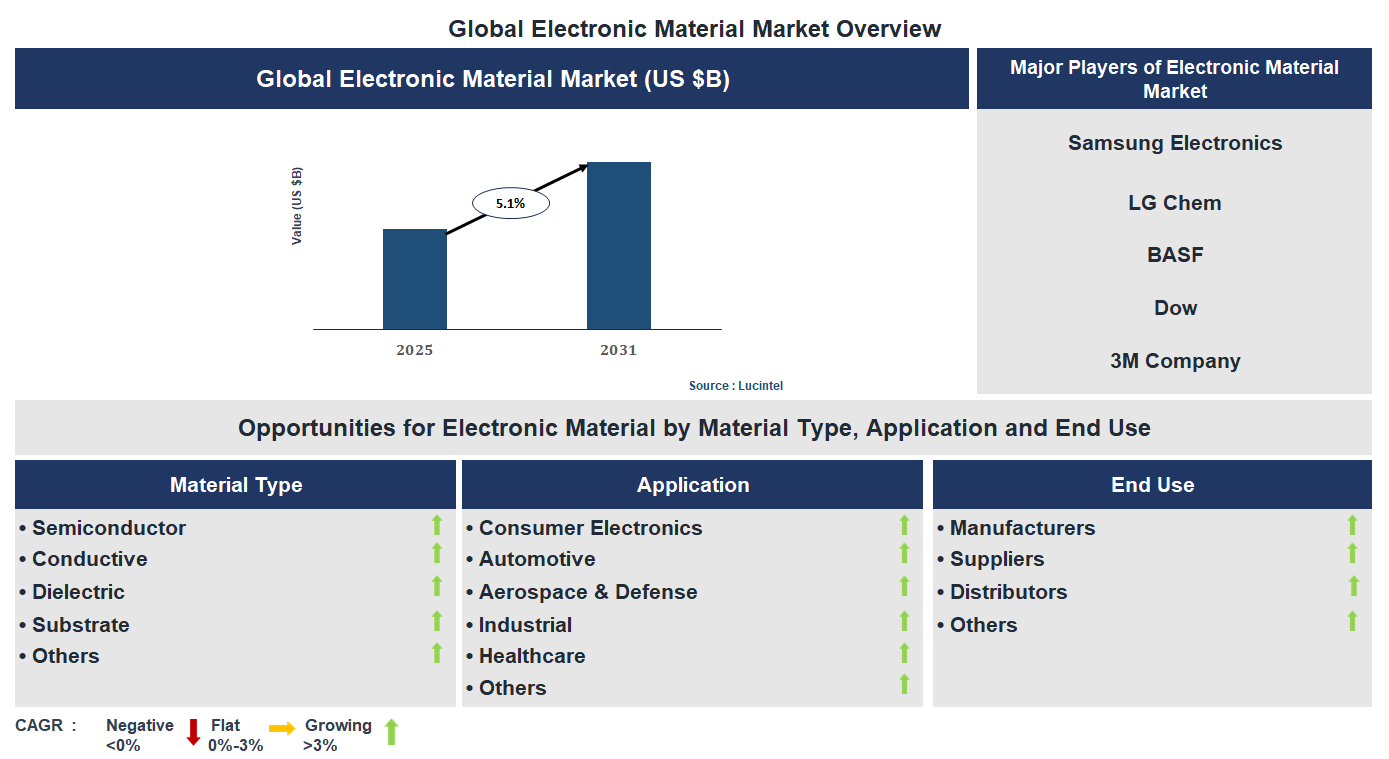
Key data points: The growth forecast = 5.1% annually for the next 7 years. Scroll below to get more insights. This market report covers trends, opportunities and forecasts in electronic material market to 2031 by material type (semiconductor, conductive, dielectric, substrate, and others), application (consumer electronics, automotive, aerospace & defense, industrial, healthcare, and others), end use (manufacturers, suppliers, distributors, and others), and region (North America, Europe, Asia Pacific, and the Rest of the World)
We'll send your sample report shortly.
• Lucintel forecasts that, within the material type category, semiconductor is expected to witness the highest growth over the forecast period.
• Within the end use category, manufacturer is expected to witness the highest growth.
• In terms of region, APAC is expected to witness the highest growth over the forecast period. Gain valuable insights for your business decisions with our comprehensive 150+ page report. Sample figures with some insights are shown below.
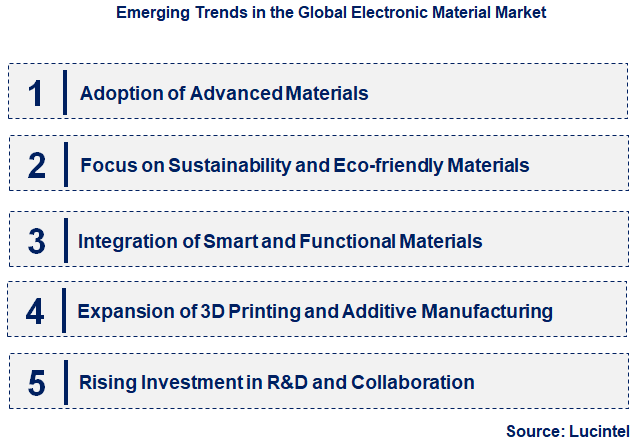
• Adoption of Advanced Materials: The market is witnessing a shift towards advanced materials such as graphene, nanomaterials, and flexible substrates. These materials offer superior electrical, thermal, and mechanical properties, enabling the development of next-generation electronic devices. Their integration enhances device performance, miniaturization, and energy efficiency, which is crucial for applications like wearable technology, IoT devices, and high-speed computing. As research progresses, the adoption of these innovative materials is expected to accelerate, driving market growth and opening new avenues for product development.
• Focus on Sustainability and Eco-friendly Materials: Increasing environmental concerns and stricter regulations are pushing manufacturers to develop sustainable electronic materials. Biodegradable, recyclable, and low-toxicity materials are gaining prominence to reduce electronic waste and environmental impact. Companies are investing in green chemistry and eco-design principles to create materials that meet both performance and sustainability criteria. This trend is reshaping supply chains, encouraging circular economy practices, and appealing to environmentally conscious consumers, thereby influencing market dynamics and competitive strategies.
• Integration of Smart and Functional Materials: The demand for smart materials that can respond to external stimuli such as temperature, pressure, or electric fields is rising. These materials enable the development of intelligent electronic components, sensors, and actuators, enhancing device capabilities. For example, phase-change materials and conductive polymers are being used in flexible displays, wearable health monitors, and adaptive circuits. The integration of such functional materials is transforming product innovation, improving user experience, and expanding the scope of electronic applications across various sectors.
• Expansion of 3D Printing and Additive Manufacturing: 3D printing technologies are increasingly being utilized to produce electronic components with complex geometries and customized features. Conductive inks and printable substrates facilitate rapid prototyping and small-batch production, reducing costs and lead times. This trend allows for greater design flexibility, on-demand manufacturing, and integration of electronic materials into new form factors. As additive manufacturing matures, it is expected to revolutionize supply chains, enable localized production, and foster innovation in electronic device design.
• Rising Investment in R&D and Collaboration: To stay ahead in a competitive market, companies are increasing investments in research and development, often collaborating with academic institutions and technology startups. These partnerships accelerate innovation, facilitate the development of novel materials, and address emerging challenges such as miniaturization and energy efficiency. Enhanced R&D efforts are also driving standardization and commercialization of new materials, ensuring faster market adoption. This collaborative approach is vital for sustaining technological leadership and capturing emerging opportunities in the electronic materials landscape. In summary, these trends are collectively reshaping the electronic material market by fostering innovation, promoting sustainability, and enabling new manufacturing paradigms. They are driving the development of smarter, more efficient, and environmentally friendly electronic devices, ultimately transforming industry practices and consumer experiences.
• Technological Innovations in Semiconductor Materials: New materials like gallium nitride (GaN) and silicon carbide (SiC) are replacing traditional silicon, offering higher efficiency and thermal stability, which enhances device performance and energy savings.
• Adoption of Sustainable Materials: Companies are increasingly focusing on eco-friendly electronic materials, such as biodegradable substrates and recyclable components, reducing environmental impact and aligning with global sustainability goals.
• Expansion of Flexible and Wearable Electronics: Development of flexible substrates and conductive inks has enabled the production of bendable, lightweight devices, opening new markets in healthcare, fashion, and consumer electronics.
• Advancements in Display Technologies: Innovations in OLED and microLED materials have improved display quality, energy efficiency, and lifespan, driving growth in high-end screens for smartphones, TVs, and AR/VR devices.
• Integration of 2D Materials: The use of graphene and transition metal dichalcogenides (TMDs) has enhanced electronic properties, enabling faster, smaller, and more efficient components for next-generation electronics. These developments are significantly impacting the electronic material market by increasing product performance, promoting sustainability, and enabling new applications. They are fostering innovation, expanding market opportunities, and encouraging industry players to adopt advanced materials to stay competitive in a rapidly evolving landscape.
• Consumer Electronics: Growing demand for smartphones, tablets, and wearables drives innovation in flexible and conductive materials, enhancing device performance and durability. This expansion boosts market revenue and encourages the development of lightweight, high-performance components.
• Automotive Electronics: The rise of electric vehicles and advanced driver-assistance systems increases the need for heat-resistant, durable, and high-conductivity materials. These materials improve safety, efficiency, and reliability, opening new avenues for growth in automotive applications.
• Healthcare Devices: The proliferation of medical electronics, including diagnostic tools and wearable health monitors, demands biocompatible, flexible, and high-performance electronic materials. This trend enhances device functionality and patient comfort, expanding market opportunities.
• Telecommunications Infrastructure: The deployment of 5G networks necessitates advanced dielectric and insulating materials to support high-frequency signals. This development accelerates the adoption of innovative materials, boosting the market for next-generation communication devices.
• Industrial Automation: The integration of electronics in manufacturing processes requires robust, heat-resistant, and conductive materials for sensors, robotics, and control systems. These materials improve operational efficiency and reliability, fostering growth in industrial applications. In summary, these key growth opportunities across applications are significantly impacting the electronic material market by driving innovation, expanding application scopes, and fostering sustainable development. As industries evolve, the demand for specialized, high-performance materials will continue to propel market growth and competitiveness.
• Technological Innovation: The continuous development of new electronic devices necessitates advanced materials such as high-performance semiconductors, dielectrics, and conductive materials. Innovations like flexible electronics, miniaturization, and IoT devices demand specialized materials with enhanced properties. This technological progression fuels market growth by creating demand for cutting-edge electronic materials that meet the evolving needs of manufacturers. Companies investing in R&D to develop novel materials gain competitive advantages, further propelling market expansion. The rapid pace of innovation ensures a steady increase in material requirements, supporting sustained market growth.
• Growing Electronics Industry: The expanding consumer electronics, automotive, aerospace, and healthcare sectors significantly contribute to the demand for electronic materials. The proliferation of smartphones, tablets, wearables, and smart appliances increases the need for high-quality materials that ensure device performance and durability. The automotive industry’s shift towards electric vehicles (EVs) and autonomous systems also boosts demand for specialized electronic components. As these industries grow globally, especially in emerging markets, the demand for electronic materials rises correspondingly, creating a robust growth trajectory for the market.
• Environmental Regulations and Sustainability: Increasing regulatory pressure to reduce hazardous substances and promote eco-friendly materials influences the market. Governments and organizations are imposing strict standards for the use of lead-free, halogen-free, and recyclable materials in electronic manufacturing. This drives innovation in sustainable materials and encourages manufacturers to adopt environmentally compliant options. The shift towards green electronics not only aligns with regulatory requirements but also appeals to environmentally conscious consumers, thereby expanding market opportunities. Companies investing in sustainable materials can differentiate themselves and meet future regulatory standards more effectively.
• Supply Chain Globalization: The globalization of supply chains facilitates access to a diverse range of raw materials and manufacturing capabilities. This interconnectedness allows companies to optimize costs, improve quality, and accelerate product development cycles. However, it also introduces vulnerabilities such as geopolitical tensions, trade restrictions, and logistical disruptions, which can impact material availability and pricing. Efficient supply chain management becomes crucial for maintaining market stability and competitiveness, especially as demand surges and supply constraints become more pronounced.
• Digital Transformation and Industry 4.0: The integration of digital technologies in manufacturing processes enhances precision, efficiency, and customization in electronic material production. Industry 4.0 initiatives, including automation, IoT, and data analytics, enable real-time monitoring and quality control, reducing waste and improving product consistency. This technological shift supports the development of high-quality, innovative materials tailored to specific applications. As digital transformation accelerates, it opens new avenues for market growth through smarter manufacturing and supply chain optimization, ultimately benefiting end-users with better-performing electronic materials. The challenges facing electronic material market include:-
• Fluctuating Raw Material Prices: The electronic materials industry heavily depends on raw materials such as rare earth elements, metals, and chemicals, whose prices are highly volatile due to geopolitical tensions, supply constraints, and environmental regulations. Price fluctuations can significantly impact manufacturing costs and profit margins, forcing companies to adjust pricing strategies or seek alternative materials. Managing these fluctuations requires strategic sourcing and inventory management, but persistent volatility remains a major challenge that can hinder consistent market growth and investment planning.
• Environmental and Regulatory Compliance: While regulations promote sustainability, they also pose compliance challenges for manufacturers. Meeting strict environmental standards involves significant R&D investment, process modifications, and certification costs. Non-compliance can lead to legal penalties, product recalls, and damage to brand reputation. Navigating diverse regulatory landscapes across regions complicates global operations, requiring companies to adapt their materials and processes continually. This ongoing compliance burden can slow innovation and increase operational costs, impacting overall market competitiveness.
• Technological Obsolescence and Innovation Pressure: The rapid pace of technological change in electronics demands continuous innovation in materials. Companies face the challenge of investing heavily in R&D to develop new materials that meet evolving device specifications. Failure to innovate or adopt new materials can result in obsolescence and loss of market share. Additionally, the high costs associated with developing and testing new materials can be prohibitive, especially for smaller players. Balancing innovation with cost-effectiveness remains a critical challenge in maintaining market relevance and growth. In summary, the electronic material market is shaped by dynamic technological advancements, expanding industry demands, and stringent regulatory standards. While these drivers foster growth and innovation, challenges such as raw material volatility, compliance complexities, and rapid technological obsolescence pose significant risks. Navigating these factors requires strategic foresight, investment in sustainable practices, and continuous innovation. Overall, the markets future hinges on how effectively stakeholders can leverage opportunities and mitigate challenges, ensuring resilient and sustainable growth in a highly competitive environment.
• Samsung Electronics
• LG Chem
• BASF
• Dow
• 3M Company
• DuPont de Nemours
• Shin-Etsu Chemical
• Sumitomo Chemical
• Mitsubishi Chemical Holdings Corporation
• Hitachi Chemical
• Semiconductor
• Conductive
• Dielectric
• Substrate
• Others
• Consumer Electronics
• Automotive
• Aerospace & Defense
• Industrial
• Healthcare
• Others
• Manufacturers
• Suppliers
• Distributors
• Others
• North America
• Europe
• Asia Pacific
• The Rest of the World
• United States: The US electronic material market is advancing with significant investments in nanomaterials and flexible electronics. Leading companies are developing high-performance substrates and insulating materials for 5G infrastructure and consumer electronics. There is a focus on sustainable and eco-friendly materials, alongside increased R&D collaborations between academia and industry. The US government is also supporting innovation through grants and initiatives aimed at strengthening domestic manufacturing capabilities.
• China: China remains a dominant force, expanding its production capacity for semiconductor-grade materials and display substrates. The country is investing heavily in developing advanced materials for 5G, AI, and electric vehicles. Chinese firms are also focusing on reducing reliance on imports by innovating locally produced materials, including high-purity chemicals and specialty polymers. The government’s policies aim to boost self-sufficiency and technological independence in the electronic materials sector.
• Germany: Germany’s market is characterized by a focus on high-quality, precision materials used in automotive electronics and industrial applications. The country is innovating in the development of advanced dielectric and insulating materials, emphasizing durability and thermal stability. German companies are also integrating sustainable practices into production processes and investing in research for next-generation materials suitable for smart devices and automation systems.
• India: India is witnessing rapid growth driven by expanding electronics manufacturing and government initiatives like Make in India. The focus is on developing cost-effective materials for consumer electronics, semiconductors, and renewable energy applications. Indian firms are increasingly investing in R&D to develop indigenous materials, including specialty chemicals and substrates, to reduce import dependency. The market is also seeing a rise in collaborations with global players to enhance technological capabilities.
• Japan: Japan continues to lead in the development of advanced electronic materials, especially in semiconductors, display technologies, and sensors. The country is innovating in ultra-thin, high-performance materials with applications in flexible displays and wearable devices. Japanese companies are also emphasizing sustainability, developing eco-friendly materials and recycling technologies. The government supports innovation through strategic funding and partnerships aimed at maintaining Japan’s competitive edge in high-tech electronic materials.


• Samsung Electronics
• LG Chem
• BASF
• Dow
• 3M Company
• DuPont de Nemours
• Shin-Etsu Chemical
• Sumitomo Chemical
• Mitsubishi Chemical Holdings Corporation
• Hitachi Chemical Q5. Which electronic material market segment will be the largest in future? Answer: Lucintel forecasts that, within the material type category, semiconductor is expected to witness the highest growth over the forecast period. Q6. In electronic material market, which region is expected to be the largest in next 5 years? Answer: In terms of region, APAC is expected to witness the highest growth over the forecast period. Q7. Do we receive customization in this report? Answer: Yes, Lucintel provides 10% customization without any additional cost.


Choose a license that fits your team. Instant PDF delivery.
Prices exclude taxes. Instant delivery. Custom licensing available on request.
Market Report · July 29, 2026
Market Report · July 20, 2026
Market Report · July 20, 2026
Trusted partner for strategic intelligence and business growth


Receive a complimentary market analysis tailored to your industry. Our analysts will identify key growth opportunities and competitive dynamics specific to your business.

Market size, growth rate, and key trend analysis for your specific sector.

Top competitor positioning and market share analysis.

Strategic recommendations backed by data-driven insights.
Get curated market intelligence and competitive moves straight to your inbox.
By subscribing, you agree to receive our monthly insights. Unsubscribe anytime.
Receive a complimentary market analysis tailored to your industry. Our analysts will identify key growth opportunities and competitive dynamics specific to your business.
Market size, growth rate, and key trend analysis for your specific sector.
Top competitor positioning and market share analysis.
Strategic recommendations backed by data-driven insights.
Get curated market intelligence, emerging trends, and competitive moves straight to your inbox each month.
By subscribing, you agree to receive our monthly insights. Unsubscribe anytime.
We'll send your sample report shortly.