
Market Report · May 18, 2026

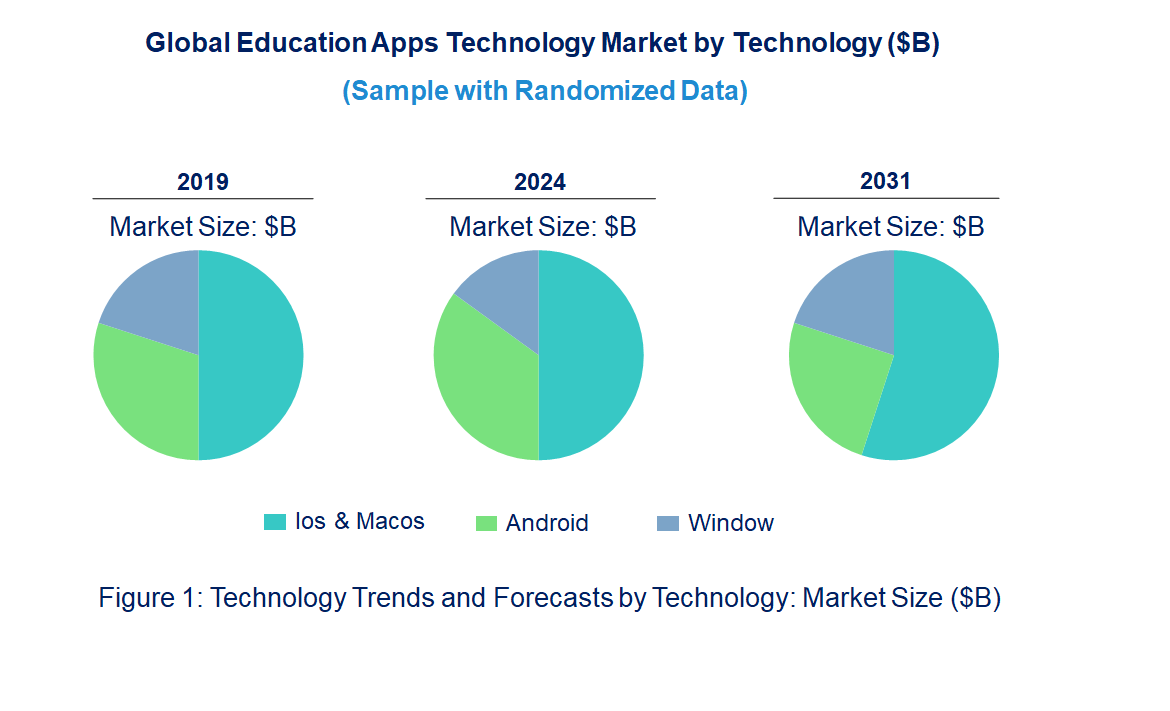
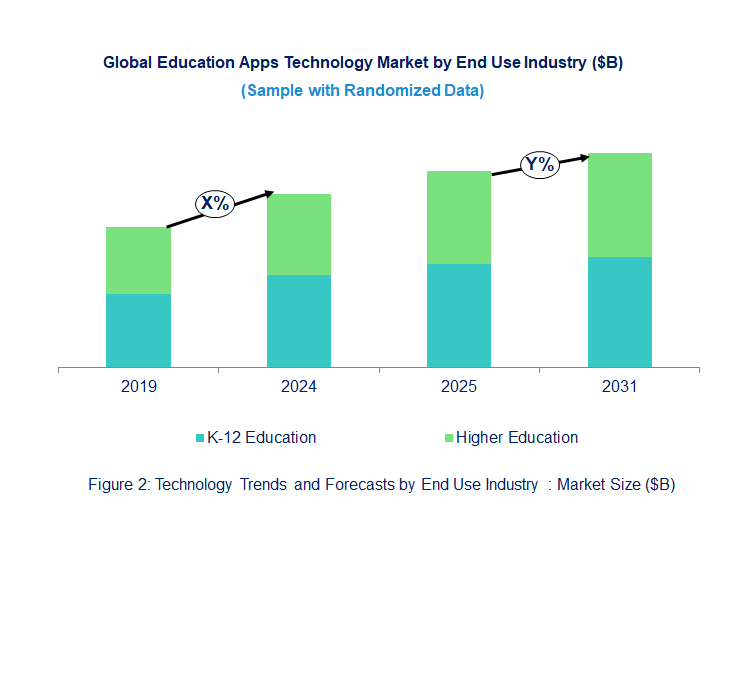
This market report covers trends, opportunities, and forecasts in the global education apps market to 2031 by technology (ios & macos, android, and window), end use industry (k-12 education and higher education), and region (North America, Europe, Asia Pacific, and the Rest of the World)
We'll send your sample report shortly.
• Personalized Learning through AI and Machine Learning: Education apps are integrating artificial intelligence (AI) and machine learning to offer personalized learning experiences. These technologies analyze users’ learning styles, strengths, and weaknesses, then tailor content accordingly. By adapting the learning path for each student, AI-powered apps help improve engagement, retention, and overall educational outcomes.
• Gamification to Enhance Engagement: To make learning more enjoyable, many education apps are incorporating gamification features such as points, badges, levels, and leaderboards. Gamification encourages students to participate actively and motivates them to continue learning. It also enhances retention by making lessons more interactive and fun.
• Incorporation of Augmented Reality (AR) and Virtual Reality (VR): AR and VR technologies are increasingly being used in education apps to create immersive learning experiences. These technologies enable students to interact with virtual environments or 3D models, making abstract concepts easier to understand. For instance, AR can bring historical events to life or allow students to explore the human body in 3D, enhancing the learning experience.
• Increased Focus on Collaborative Learning: Education apps are placing more emphasis on collaboration and social learning. Features such as discussion forums, group activities, live video sessions, and peer-to-peer feedback are becoming more common. These features foster a sense of community, allowing students to share ideas, solve problems together, and learn from one another in a digital setting.
• Focus on Microlearning and Bite-Sized Content: As users seek flexibility in their learning schedules, education apps are offering microlearning modules—short, focused learning units that can be completed in a few minutes. This trend caters to busy lifestyles and allows learners to consume content in small, manageable portions, making learning more efficient and accessible. The education apps market is rapidly evolving with the integration of AI, gamification, AR/VR technologies, and collaborative features, all of which contribute to a more personalized, engaging, and flexible learning experience. The shift towards microlearning further enhances the adaptability of education apps, catering to the needs of modern learners. These technological trends are reshaping how education is delivered, making it more interactive, accessible, and tailored to individual needs.
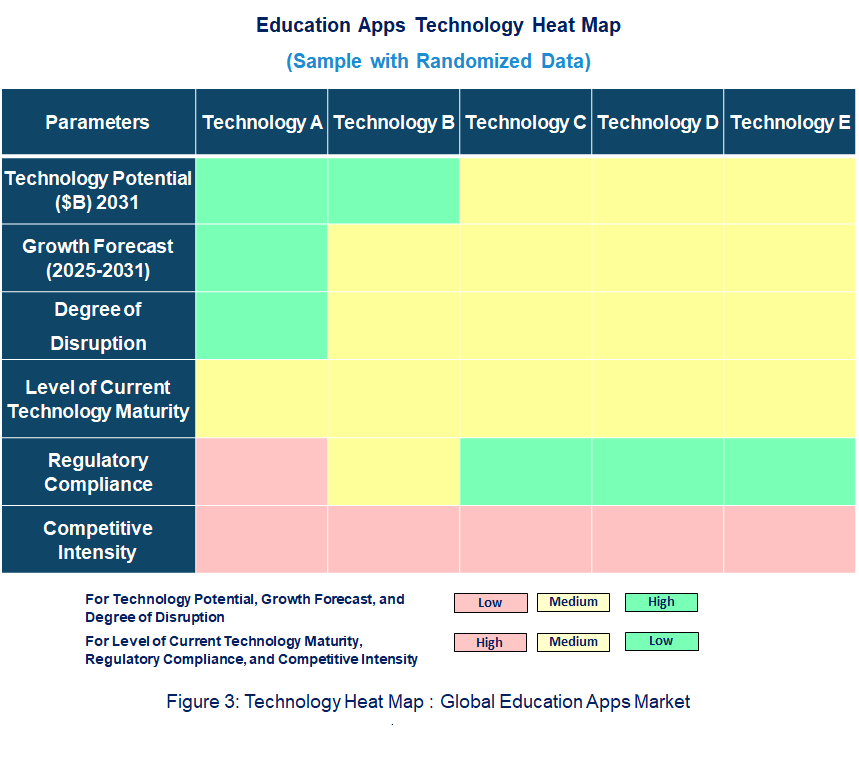
• Technology Potential: Education apps hold significant potential to revolutionize learning by providing personalized, interactive, and on-demand education. With the integration of artificial intelligence (AI), these apps can adapt to students’ learning styles, recommend tailored content, and track progress. The use of augmented reality (AR) and gamification further enhances user engagement and retention. As internet penetration increases globally, education apps have the potential to bridge educational gaps, offering quality learning opportunities to underserved populations.
• Degree of Disruption: Education apps disrupt traditional learning methods by offering flexible, accessible, and cost-effective alternatives to textbooks and classroom-based education. They enable remote learning, breaking down geographical and financial barriers to education.
• Level of Current Technology Maturity: Education apps are well-established and widely used, but ongoing improvements in AI, AR, and content delivery mechanisms continue to drive innovation. The technology is mature, but there is room for more sophisticated integrations and features.
• Regulatory Compliance: Education apps must comply with data privacy regulations such as GDPR and COPPA to ensure the security of student data. They also need to meet accessibility standards to provide equitable learning opportunities for all students.
• Age of Learning: Age of Learning has made significant strides with its app "ABCmouse," a comprehensive early learning platform. The app provides interactive lessons, games, and activities designed to help children learn fundamental skills in subjects like reading, math, science, and art. Recent updates have improved the user interface, introduced new curriculum features, and expanded its reach to international markets, making it a top choice for early childhood education.
• Duolingo: Duolingo continues to lead the language learning app market with its gamified approach to education. The app now supports learning over 30 languages and has incorporated new features like the "Duolingo Stories" and "Duolingo Plus" subscription model for advanced learners. These innovations have helped Duolingo attract a diverse global user base, solidifying its place as a key player in language education.
• Edmodo: Edmodo, a leading social learning platform, has expanded its offerings by introducing tools for virtual classrooms, assignments, and collaboration. The app has adapted to the rise of remote learning by incorporating real-time messaging and video conferencing features. With the launch of Edmodo School and Edmodo for Parents, the company has made it easier for educators, students, and parents to stay connected and engaged in the learning process.
• Lumosity: Lumosity has built on its cognitive training app by introducing new features that provide users with personalized brain training programs. These updates include enhanced tracking of cognitive progress and customized challenges tailored to each user’s needs. Lumosity’s focus on scientifically backed exercises for improving memory, attention, and problem-solving skills has made it popular among users of all ages, from students to professionals.
• Rosetta Stone: Rosetta Stone has continued to refine its language learning platform with a focus on speech recognition technology and personalized learning experiences. Recent updates to the app have incorporated AI-driven features that adapt lessons based on the learner’s progress and provide real-time feedback. The company’s expanded language offerings and mobile-friendly design have made it a top choice for users seeking an immersive and self-paced language learning experience.
• WizIQ: WizIQ has introduced several advancements in its online learning platform, focusing on live virtual classrooms and interactive learning tools. The platform now includes features such as whiteboards, live video streaming, and real-time assessments. These updates have made WizIQ a strong contender in the market for professional development and corporate training, offering users an engaging way to learn remotely.
• Lumos Labs: Lumos Labs, the creator of the popular Lumosity app, continues to evolve its platform with new cognitive training exercises and updated performance tracking features. The app now provides users with more detailed reports on their cognitive progress and offers personalized recommendations for improvement. These features enhance the user experience and contribute to Lumosity’s reputation as a leader in cognitive development apps. The education apps market is witnessing a dynamic transformation, driven by innovations from leading players in the field. These developments have enhanced the ability of learners of all ages to access personalized, engaging, and effective educational experiences. As technology continues to shape the education sector, these apps are poised to play an even greater role in providing accessible and flexible learning opportunities worldwide.
• Growing Use of Smartphones and Tablets: The widespread adoption of smartphones and tablets, especially among students, has driven the growth of education apps. With easy access to mobile devices, learners are increasingly turning to apps for educational content, anytime and anywhere.
• Shift Toward Digital Learning: The global shift toward digital learning, accelerated by the COVID-19 pandemic, has boosted the demand for education apps. Both students and teachers now rely on these apps to facilitate remote learning, assignments, and assessments.
• Personalized Learning Experience: Education apps leverage artificial intelligence and machine learning to deliver personalized learning experiences. These technologie integrations of AR and VR technologies into education apps offers immersive and interactive learning experiences. This can enhance student engagement and understanding of complex subjects, making learning more enjoyable and effective.
• Expansion in Emerging Markets: With increasing smartphone penetration in emerging economies, the demand for education apps is expected to rise. As more students gain access to mobile devices, education apps will provide a valuable learning tool in regions with limited access to traditional education resources.help tailor content to individual students’ needs, enhancing engagement and improving learning outcomes. Challenges in the education apps market are:
• Quality and Credibility of Content: With a vast number of education apps available, ensuring the quality and credibility of the content can be a challenge. Not all apps meet educational standards, leading to concerns about their effectiveness and impact on students’ learning.
• Privacy and Data Security Concerns: The collection of personal data by education apps raises privacy and security concerns. Ensuring that student data is protected and complying with data protection regulations can be difficult for app developers and educational institutions.
• Limited Access to Devices in Underdeveloped Regions: In regions where access to smartphones and reliable internet is limited, the use of education apps remains a challenge. This digital divide restricts the market’s growth in certain areas, limiting its global reach. These growth opportunities are transforming the Education Apps Market by addressing key challenges and offering innovative solutions. The integration of AR and VR, expansion in emerging markets, gamification, and flexible revenue models are driving further adoption and making education apps a central component of modern learning ecosystems.
• Age Of Learning
• Duolingo
• Edmodo
• Lumosity
• Rosetta Stone
• Wiziq
• Technology Readiness by Technology Type: The education app market is driven by various technologies, including the competitive level in these technologies is high, with major players like Google, Apple, and Microsoft heavily investing in educational tools. Regulatory compliance, especially concerning data privacy and student protection, is crucial, with regulations like FERPA in the U.S. and GDPR in Europe ensuring adherence. Key applications include virtual classrooms, adaptive learning systems, and real-time assessments, each demanding robust, secure, and user-friendly tech solutions.
• Competitive Intensity and Regulatory Compliance: IOS & macOS systems are highly ready for the education apps market, providing a secure, stable, and robust environment for creating innovative educational tools, particularly in fields like design, media, and STEM education. Android is equally prepared, with its flexibility, scalability, and affordability making it an excellent choice for apps aimed at a wide range of educational needs, from K-12 to adult learning. Windows remains competitive, particularly in enterprise and institutional settings, with readiness for large-scale deployments and legacy app integration. While each platform is highly ready in its respective area, iOS & macOS excel in premium, high-performance apps, Android leads in accessibility and volume, and Windows is indispensable for traditional classroom and enterprise solutions. Regulatory compliance is a priority for all platforms, ensuring adherence to global privacy laws and user data protection standards.
• Disruption Potential by Technology Type: iOS & macOS systems offer high disruption potential in the education apps market due to their superior performance, security, and user experience, making them preferred choices for higher education and creative learning apps. Android, with its extensive reach, flexibility, and low-cost devices, has a massive disruption potential in global K-12 education, particularly in emerging markets. Windows, while less dominant in mobile education, remains crucial in the education apps market due to its strong presence in classrooms, schools, and enterprise environments. The combination of these platforms ensures a diverse and evolving landscape, each contributing in different ways to enhancing learning experiences and digital access.
• Ios & Macos
• Android
• Window
• K-12 Education
• Higher Education
• North America
• Europe
• Asia Pacific
• The Rest of the World
• Latest Developments and Innovations in the Education Apps Technologies
• Companies / Ecosystems
• Strategic Opportunities by Technology Type


Choose a license that fits your team. Instant PDF delivery.
Prices exclude taxes. Instant delivery. Custom licensing available on request.
Market Report · May 18, 2026
Market Report · May 18, 2026
Market Report · May 18, 2026
Trusted partner for strategic intelligence and business growth


Receive a complimentary market analysis tailored to your industry. Our analysts will identify key growth opportunities and competitive dynamics specific to your business.

Market size, growth rate, and key trend analysis for your specific sector.

Top competitor positioning and market share analysis.

Strategic recommendations backed by data-driven insights.
Get curated market intelligence and competitive moves straight to your inbox.
By subscribing, you agree to receive our monthly insights. Unsubscribe anytime.
Receive a complimentary market analysis tailored to your industry. Our analysts will identify key growth opportunities and competitive dynamics specific to your business.
Market size, growth rate, and key trend analysis for your specific sector.
Top competitor positioning and market share analysis.
Strategic recommendations backed by data-driven insights.
Get curated market intelligence, emerging trends, and competitive moves straight to your inbox each month.
By subscribing, you agree to receive our monthly insights. Unsubscribe anytime.
We'll send your sample report shortly.