
Market Report · May 18, 2026

This market report covers trends, opportunities, and forecasts in the global cable for subway projects market to 2031 by technology (communication cables and power cables), application (train, metro, and others), and region (North America, Europe, Asia Pacific, and the Rest of the World)
We'll send your sample report shortly.
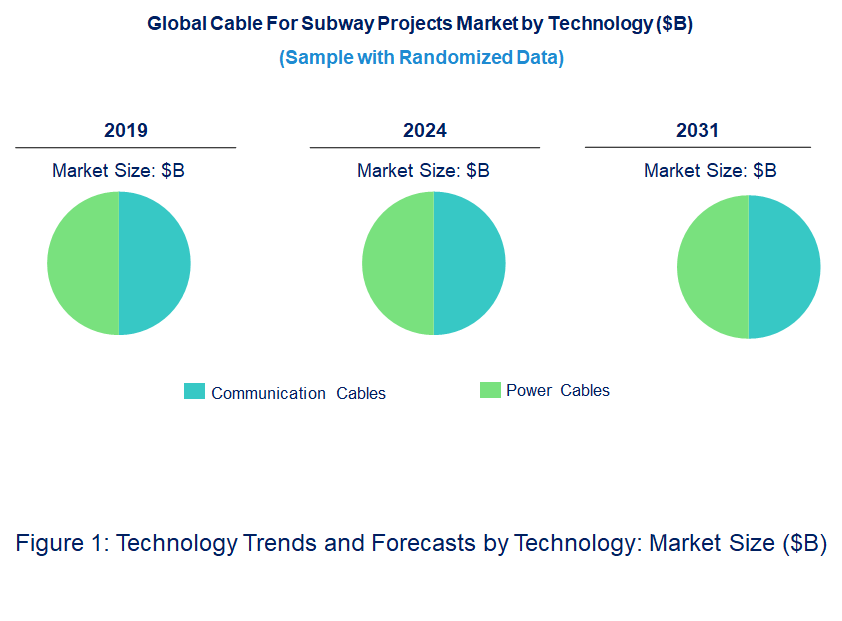
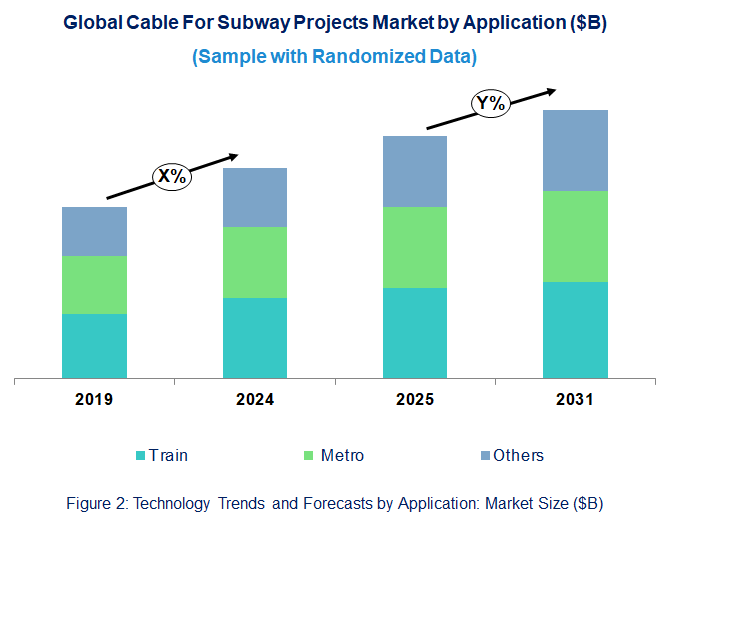
• Shift to Fiber Optic Cables for Communication: Fiber optic cables are increasingly being used in subway projects due to their superior data transmission capabilities and immunity to electromagnetic interference. These cables are crucial for modern signaling and communication systems, enabling real-time data transfer, efficient control systems, and enhanced safety measures. The move from traditional copper cables to fiber optics is driven by the need for faster, more reliable communication systems in increasingly complex urban transit networks.
• Development of Multicore Power Cables: Multicore power cables, which combine multiple power lines within a single cable, are becoming a key solution for subway systems. These cables allow for reduced installation time and space usage, improving overall efficiency. Additionally, multicore cables enhance the reliability of power supply by distributing the load across different cores, making them more resilient to failures. This is critical in subway environments where downtime can be costly.
• Increased Focus on Fire-Resistant and Flame-Retardant Materials: Safety is a top priority in subway projects, and fire-resistant cables are becoming more prevalent. Materials like low-smoke halogen-free cables (LSHF) are gaining traction in the market. These cables are designed to minimize toxic gas emissions in the event of a fire, ensuring passenger and operator safety. The growing adoption of these materials is driven by stricter safety regulations and the need to comply with stringent fire safety standards in subway systems worldwide.
• Integration of Smart Cable Systems for Monitoring and Predictive Maintenance: With the rise of IoT (Internet of Things) and Industry 4.0, smart cable systems are being integrated into subway projects to monitor and manage performance in real-time. These systems are equipped with sensors to detect issues like overheating, wear, and power disruptions, enabling predictive maintenance. By utilizing data analytics, operators can proactively address problems before they cause system failures, reducing maintenance costs and downtime.
• Energy-Efficient and Sustainable Cable Solutions: Sustainability is becoming a key consideration in subway infrastructure projects. Manufacturers are focusing on developing energy-efficient cables that reduce energy loss and improve overall system efficiency. Cables made from eco-friendly materials, such as recycled copper or bioplastics, are being used to support subway projects. This trend aligns with global goals to reduce carbon emissions and promote sustainable urban development. The trends in the cable for subway projects market are driving a shift towards more advanced, efficient, and sustainable solutions. From the adoption of fiber optic communication cables to the use of multicore power cables and energy-efficient solutions, these innovations are enhancing the reliability, safety, and performance of subway systems. As subway projects continue to evolve to meet the demands of modern cities, these technological advancements are reshaping the future of urban transportation infrastructure, ensuring that it remains safe, efficient, and sustainable.
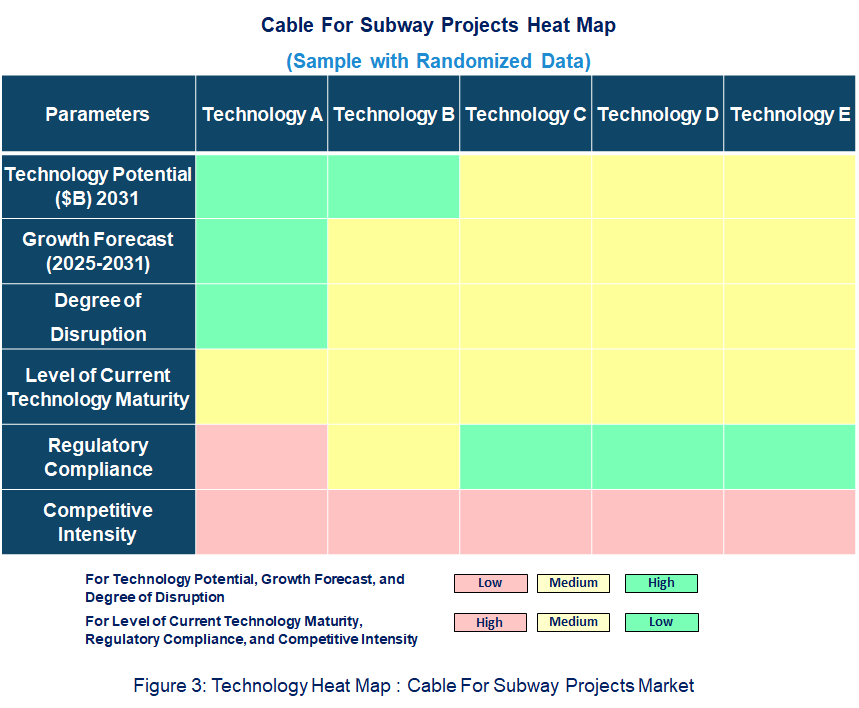
• Potential in Technology: The technology potential in the cable for subway projects market is vast, driven by the growing need for more efficient, safe, and sustainable cable solutions to support modern urban transit systems. Advancements in fiber optic cables for communication, multicore power cables, and smart cable technologies have significantly increased the market’s technological capabilities. These technologies enable better data transmission, enhanced power management, and real-time system monitoring, all of which improve overall system efficiency and safety.
• Degree of Disruption: The degree of disruption in the market is high, especially with the integration of smart cables equipped with sensors for predictive maintenance and fiber optics replacing traditional copper cables. This shift has the potential to transform subway communication systems, reducing operational costs and improving performance. The move towards fire-resistant and eco-friendly cables is another disruptive element, aligning with sustainability goals and stricter safety regulations.
• Current Technology Maturity Level: The current technology maturity varies across different cable technologies. Fiber optic cables and multicore power cables are already well-established and widely adopted, while smart cable systems and advanced insulation materials are still evolving but gaining momentum.
• Regulatory Compliance: Regulatory compliance is critical in the subway cable market, with strict safety and environmental standards in place. Compliance with regulations related to fire safety, energy efficiency, and environmental impact ensures that new technologies meet the high demands of subway infrastructure projects.
• Bizlink: Bizlink has expanded its product range for subway applications, focusing on fiber optic cables for communication and multicore power cables for efficient energy distribution. The company has integrated smart cable technology for real-time monitoring, reducing downtime and improving system reliability, while also using eco-friendly materials to meet sustainability goals.
• Prysmian Group: Prysmian Group has introduced fire-resistant power cables designed for subway systems, meeting international safety standards. Their flame-retardant and halogen-free cables are ideal for high-risk underground environments, enhancing passenger safety and ensuring regulatory compliance with fire safety laws.
• Comtran: Comtran’s new multicore power cables offer better space efficiency and higher power load capacities for subway systems. The company also provides customized cable solutions, optimizing performance for specific subway applications, such as improved energy transmission and system reliability.
• Far East Cable: Far East Cable has developed smart cables with sensors for real-time monitoring, improving reliability and reducing maintenance costs. The company also focuses on eco-friendly cable solutions, addressing sustainability and compliance with environmental regulations in subway infrastructure projects.
• Ebion Cable: Ebion Cable has introduced fire-resistant cables for signaling and communication systems in subways, with low smoke emissions and halogen-free properties to meet stringent fire safety regulations, ensuring durability and safety in underground transport environments.
• Zhongli Group: Zhongli Group has developed high-voltage power cables for metro systems, featuring advanced insulation for increased durability in challenging environments. The company is also exploring green technologies to reduce the environmental impact of subway cables.
• Hunan Valin Cable: Hunan Valin Cable has introduced multicore power cables and fiber optic cables for subway applications, focusing on customized solutions for automated metro systems, improving energy distribution and communication efficiency. These developments demonstrate a clear trend in the cable for subway projects market towards enhancing performance, safety, and sustainability. Innovations in multicore power cables, fiber optic cables, and smart cable technologies are driving the market, meeting the unique challenges of modern subway systems. The focus on fire safety, energy efficiency, and customization ensures the market adapts to the growing demands of urban transit infrastructure.
• Growing Urbanization and Subway Expansion: The rapid growth of urban populations is driving the need for expanding subway networks, leading to an increase in demand for cables that can support modern transit systems. This urban expansion promotes the adoption of high-performance, durable cables, enhancing energy efficiency and system reliability in subway projects.
• Technological Advancements in Cable Systems: Emerging technologies such as smart cables with real-time monitoring capabilities are improving the overall performance of subway systems. These advancements enable better energy management, reduced maintenance costs, and optimized operational efficiency, making them essential for modern subway infrastructures.
• Regulatory Standards and Safety Requirements: Stringent safety regulations are prompting subway project developers to use fire-resistant, halogen-free, and environmentally friendly cables. This trend ensures compliance with fire safety and environmental standards, driving innovation and the demand for safer, more reliable cable systems in subway applications.
• Demand for Energy-Efficient Solutions: As sustainability becomes more important in urban infrastructure, there is growing demand for energy-efficient cables that reduce power loss and enhance overall system efficiency. The use of low-resistance materials and eco-friendly designs is becoming a key driver in meeting energy efficiency goals.
• Need for Customization and Flexibility: Subway projects have unique requirements based on their design, location, and environmental conditions. Custom cable solutions tailored to meet these specific demands are becoming increasingly popular, enabling manufacturers to create more flexible and reliable products for diverse applications in subway systems. Major Challenges:
• High Raw Material Costs: The rising cost of raw materials such as copper and specialized insulation materials poses a challenge for manufacturers in the cable market. High material costs can make it difficult for companies to maintain competitive pricing while ensuring high-quality, performance-driven cables for subway projects.
• Regulatory Compliance and Safety Standards: Navigating the complex web of regulatory standards and certifications in various regions can delay product development and increase costs. Stringent requirements for fire safety, environmental standards, and durability must be met, adding a layer of complexity to the production and supply chain processes.
• Technological Integration and Adaptation: Integrating new cable technologies, such as smart cables and advanced insulation systems, into existing subway infrastructure requires significant investment in R&D and manufacturing capabilities. This transition can be challenging for companies with limited resources or those relying on outdated technology.
• Supply Chain and Logistics Issues: Global supply chain disruptions, including shortages of materials and shipping delays, impact the timely delivery of cables to subway projects. These challenges can lead to delays in the construction and expansion of subway systems, as well as higher costs for manufacturers and contractors.
• Intense Market Competition: The growing demand for high-quality cables has attracted numerous competitors, making the market highly competitive. Companies must balance cost, performance, and innovation to maintain market share, and intense price competition can pressure profit margins. The cable for subway projects market is growing rapidly, driven by the increasing demand for advanced, safe, and sustainable cable solutions. Technological advancements, regulatory compliance, and the need for customized solutions are the primary drivers, while challenges such as high material costs, supply chain issues, and regulatory complexities need to be addressed. These drivers and challenges are shaping the future of the market, encouraging companies to innovate and adapt to meet evolving demands in subway infrastructure development.
• Bizlink
• Prysmian Group
• Comtran
• Far East Cable
• Ebion Cable
• Zhongli Group
• Technology Readiness: The technology readiness of communication cables and power cables in the Cable for Subway Projects Market varies. Communication cables are increasingly advanced, with technologies like fiber optics and smart sensors that are nearly ready for widespread use in subway projects. Power cables, while technologically mature, continue to evolve with advancements in energy efficiency, fire resistance, and durability. Communication cables face higher regulatory scrutiny due to data security and operational safety, while power cables are subject to stringent electrical safety and environmental regulations. The competitive level is high in both segments, with increasing innovation driving rapid development, especially in energy-efficient solutions and smart cable technologies.
• Competitive Intensity and Regulatory Compliance: Competitive intensity for both communication and power cables in the Cable for Subway Projects Market is increasing as companies race to meet the growing demand for high-performance, durable, and energy-efficient cables. As new players enter the market, companies are focusing on technological differentiation and cost optimization. Regulatory compliance is critical, particularly for fire safety and environmental standards. Communication cables must meet communication protocol standards, while power cables are required to adhere to strict electrical safety and durability regulations, particularly in harsh environmental conditions. Meeting these stringent regulatory requirements is essential for maintaining a competitive edge.
• Disruption Potential of Different Technologies: The disruption potential of communication and power cables in the Cable for Subway Projects Market is significant. Communication cables are advancing with smart technology, allowing for real-time monitoring and data transmission, enhancing the operation and management of subway systems. Power cables, particularly with advancements in energy-efficient and fire-resistant materials, can reduce energy losses and increase system reliability. These innovations are enabling greater operational efficiency and safety, while also supporting the growth of smart transportation systems. The integration of higher-capacity power cables and advanced communication cables is paving the way for more reliable, automated, and sustainable subway networks.
• Communication Cables
• Power Cables
• Train
• Metro
• Others
• North America
• Europe
• Asia Pacific
• The Rest of the World
• Latest Developments and Innovations in the Cable For Subway Projects Technologies
• Companies / Ecosystems
• Strategic Opportunities by Technology Type


Choose a license that fits your team. Instant PDF delivery.
Prices exclude taxes. Instant delivery. Custom licensing available on request.
Market Report · May 18, 2026
Market Report · May 18, 2026
Market Report · May 18, 2026
Trusted partner for strategic intelligence and business growth


Receive a complimentary market analysis tailored to your industry. Our analysts will identify key growth opportunities and competitive dynamics specific to your business.

Market size, growth rate, and key trend analysis for your specific sector.

Top competitor positioning and market share analysis.

Strategic recommendations backed by data-driven insights.
Get curated market intelligence and competitive moves straight to your inbox.
By subscribing, you agree to receive our monthly insights. Unsubscribe anytime.
Receive a complimentary market analysis tailored to your industry. Our analysts will identify key growth opportunities and competitive dynamics specific to your business.
Market size, growth rate, and key trend analysis for your specific sector.
Top competitor positioning and market share analysis.
Strategic recommendations backed by data-driven insights.
Get curated market intelligence, emerging trends, and competitive moves straight to your inbox each month.
By subscribing, you agree to receive our monthly insights. Unsubscribe anytime.
We'll send your sample report shortly.