
Market Report · May 18, 2026

This market report covers trends, opportunities, and forecasts in the global cable and cord grips market to 2031 by technology (metal, plastic, and others), application (electrical power, telecommunications, industrial, and others), and region (North America, Europe, Asia Pacific, and the Rest of the World)
We'll send your sample report shortly.
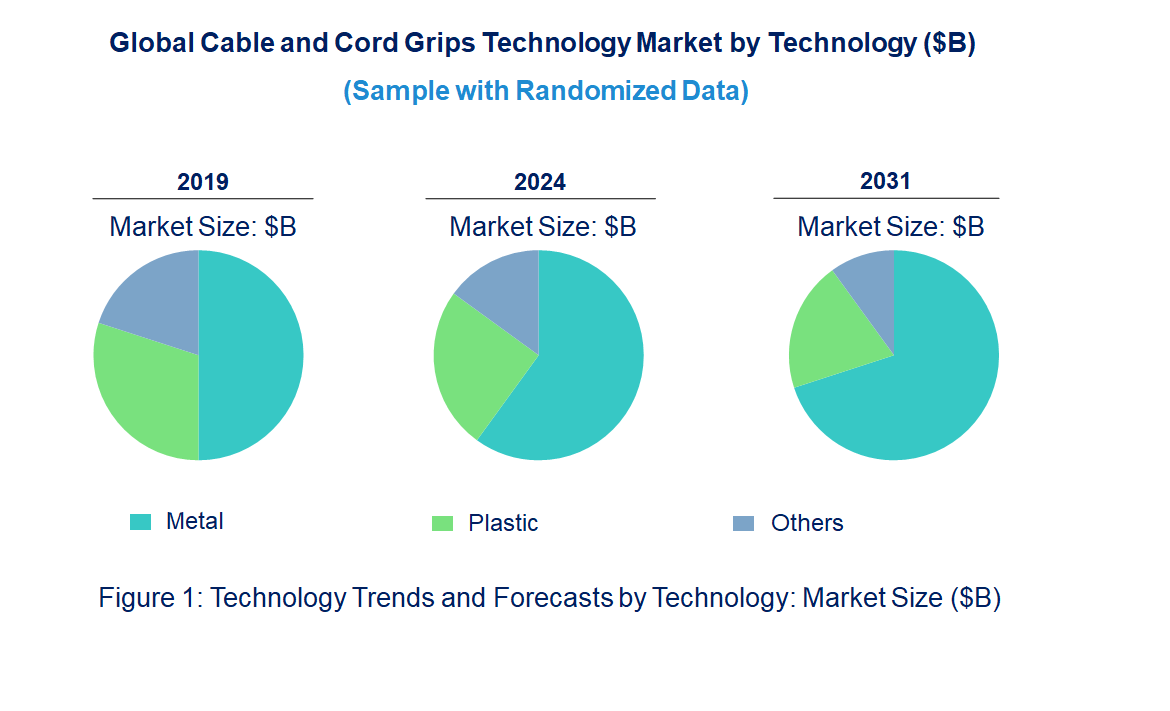
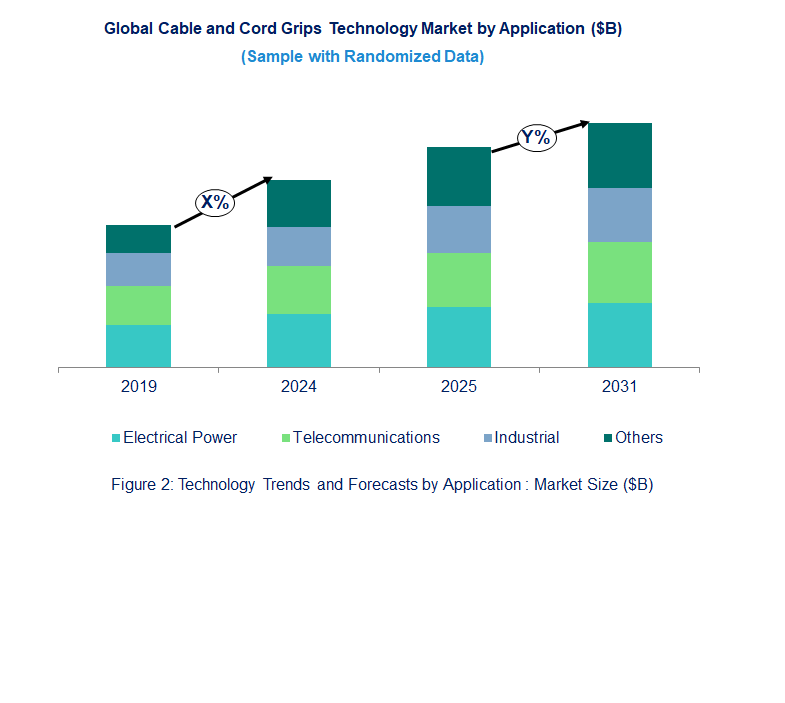
• Shift to Lightweight and Corrosion-Resistant Materials: The demand for lightweight yet strong materials, such as plastic and composite materials, is increasing. These materials provide durability without the weight of traditional metals and offer better resistance to corrosion, which is crucial for outdoor or harsh environments.
• Increased Adoption of Composite Materials: Composite materials are gaining popularity due to their high resistance to environmental factors, including UV rays, extreme temperatures, and moisture. This trend is particularly relevant for industries like oil and gas, telecommunications, and industrial applications, where performance under challenging conditions is required.
• Customization and Tailored Solutions: With the diverse applications across industries such as electrical power, telecommunications, and industrial sectors, there is a growing trend toward customized cable and cord grips. Manufacturers are focusing on providing tailored solutions that meet specific performance requirements, enhancing product flexibility.
• Integration of Smart Technologies: The integration of smart technologies, such as sensors and IoT connectivity, is becoming a trend in the cable and cord grips market. These advanced grips can provide real-time data on cable conditions, enabling preventive maintenance and improving the overall lifespan and efficiency of systems.
• Sustainability and Eco-friendly Materials: As sustainability becomes a key consideration across industries, manufacturers are exploring eco-friendly materials for cable and cord grips. Biodegradable or recyclable materials are being developed to reduce environmental impact while maintaining product performance. These emerging trends reflect a shift toward greater durability, performance, and environmental consciousness in the cable and cord grips market. As industries evolve, manufacturers are focusing on providing more advanced, customized, and sustainable solutions to meet specific application needs, ensuring improved performance and longevity in diverse environments.
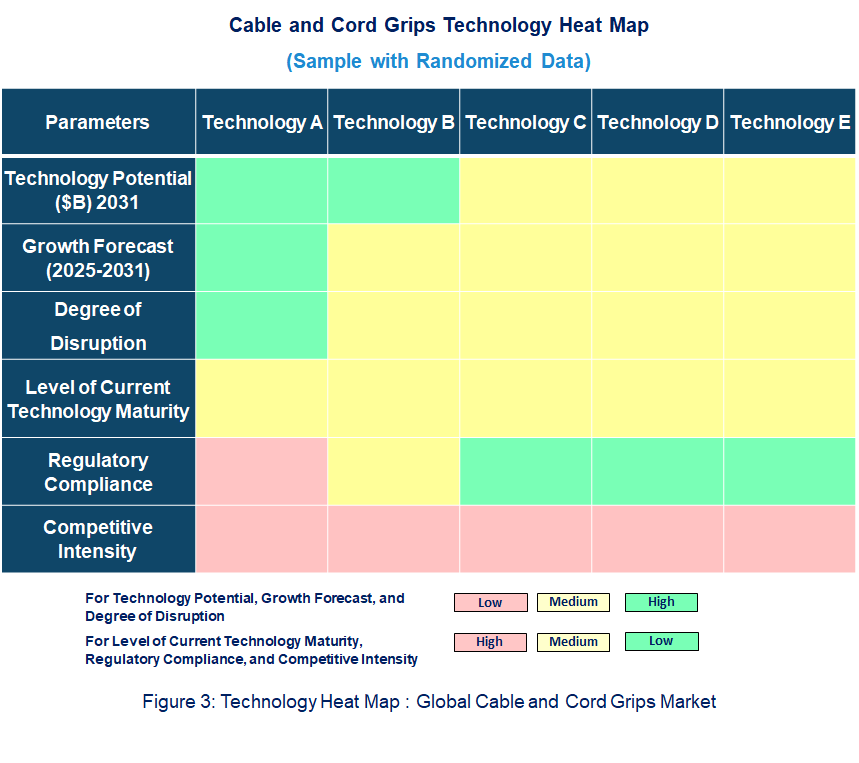
• Technology Potential: The potential for technological growth in the cable and cord grips market is significant, as manufacturers explore more efficient materials, such as lightweight plastics, composites, and corrosion-resistant alloys. These technologies can improve the durability of cable grips, reducing weight without compromising on strength, which is especially crucial for industries like telecommunications and oil and gas.
• Degree of Disruption: The shift from traditional metallic materials to advanced composites and plastics is a major disruption in the market. These materials offer improved resistance to environmental factors, such as moisture, UV rays, and extreme temperatures, allowing cable grips to perform effectively in harsh conditions. Furthermore, innovations in smart technologies and IoT connectivity are transforming how these products are monitored and maintained.
• Technology Maturity: The technology maturity of cable and cord grips is evolving, with some innovations, like composite materials, already widely used in critical sectors.
• Regulatory compliance: Regulatory compliance, particularly for safety standards in electrical power and telecommunications, is a key concern. Manufacturers are continuously ensuring that their products meet industry-specific regulations while driving technological innovation.
• ABB: ABB has made notable strides in enhancing the design and material composition of their cable grips to improve strength, reduce weight, and offer superior protection in harsh environments. By introducing advanced polymer and composite materials, ABB is addressing the need for cable grips that perform well in extreme conditions, particularly in electrical power distribution systems and high-voltage applications.
• Altech: Altech has focused on offering a broader range of cord grips with enhanced sealing capabilities. Their developments emphasize safety and reliability, with products designed to prevent damage from external environmental factors like moisture and dirt. Altech's innovations support industrial applications, especially in automation and robotics, ensuring cables remain securely in place while maintaining system integrity.
• Amphenol: Amphenol has been at the forefront of producing high-performance cable grips for industrial and commercial applications, focusing on increased flexibility and ease of installation. Their recent innovations include cord grips made from more durable materials like nickel-plated brass and advanced polymers, which significantly enhance product longevity and reduce maintenance costs in challenging environments.
• Axis Communications: Axis Communications has developed cable and cord grips that meet the growing demands of the surveillance and security industry. They have introduced weatherproof and tamper-resistant cable grips to protect video surveillance systems from environmental damage and unauthorized access. This development is particularly important for outdoor installations and sensitive areas requiring high security.
• BARTEC: BARTEC has focused on providing cable grips suitable for hazardous areas, with products designed to meet the strict safety standards required in the oil and gas, chemical, and petrochemical industries. Their recent developments include explosion-proof cable grips and solutions that offer robust protection against volatile environments, enhancing safety and reliability in critical infrastructure. These recent developments by major players in the cable and cord grips market highlight the industry's focus on safety, durability, and performance, making significant strides in meeting the evolving needs of sectors like industrial, telecommunications, and electrical power. The increasing demand for reliable cable management solutions in extreme environments is shaping the market's future trajectory.
• Rising Demand for Efficient Cable Management: The growing need for organized cable systems in industries like telecommunications, automation, and manufacturing is driving the demand for cable and cord grips. These solutions help improve safety, minimize downtime, and ensure the long-term durability of electrical installations, which boosts their adoption across various sectors.
• Technological Advancements in Materials: Innovative materials such as composite and advanced polymers have increased the performance capabilities of cable grips. These materials offer enhanced resistance to corrosion, environmental conditions, and extreme temperatures, making them suitable for demanding industries such as oil and gas, chemical processing, and power generation.
• Stringent Safety Regulations: Increasing safety standards and regulations in industries such as oil and gas, construction, and energy are driving the adoption of specialized cable and cord grips. These solutions ensure compliance with safety protocols, such as fire-resistant, explosion-proof, and flame-retardant features, helping businesses adhere to global safety regulations.
• Rise in Industrial Automation: The rapid growth of industrial automation across sectors like manufacturing, robotics, and automotive is fueling the demand for cable and cord grips. These solutions provide necessary protection to the cables in complex, high-speed automation systems, contributing to improved efficiency and minimizing operational disruptions.
• Integration with IoT and Smart Infrastructure: With the rise of smart cities and smart grids, there is an increasing demand for intelligent cable management solutions. IoT-enabled cable grips that can monitor and assess the condition of cables in real-time are gaining popularity, improving predictive maintenance and operational efficiency across industries. Challenges in the cable and cord grips market are:
• Material and Manufacturing Costs: The increasing demand for advanced materials like composites and polymers comes with higher production costs, which could affect the overall pricing of cable grips. This challenges manufacturers to find cost-effective solutions without compromising the performance and reliability of the products.
• Complex Regulatory Compliance: Cable and cord grips used in hazardous environments must comply with various safety and environmental standards. Meeting these regulatory requirements can be challenging, particularly for industries with constantly evolving rules and regulations, requiring manufacturers to invest in certifications and updates to product designs.
• Market Competition: The Cable and Cord Grips Market is highly competitive, with many companies offering similar products. This intense competition puts pressure on manufacturers to innovate continuously, while also reducing costs to remain competitive, making it challenging to maintain profitability. The opportunities driving the cable and cord grips market, including advancements in materials, the rise in industrial automation, and the push for safety and IoT integration, are shaping the market’s growth. These drivers are encouraging innovation and market expansion, while challenges like high manufacturing costs, regulatory compliance, and competition require continuous efforts from manufacturers to maintain their market position.
• ABB
• Altech
• Amphenol
• Axis Communications
• Bartec
• Technology Readiness by Technology Type: Metal technology in cable and cord grips remains mature, with a strong foothold in high-load and industrial applications such as oil, gas, and energy sectors. It has a high regulatory compliance level and is widely used for its proven strength and safety. Plastic and composite technologies are gaining momentum but are still evolving to compete with metal in terms of load-bearing capacity and extreme environment performance. These technologies are increasingly becoming ready for more widespread use in industries requiring flexibility, cost-effectiveness, and corrosion resistance. Plastic and composite grips are seeing rapid technological advancements, making them competitive with metal in certain applications, especially in telecommunications, commercial, and residential sectors. Although they have made substantial progress in meeting regulatory standards, they still face challenges in applications requiring stringent fire resistance and heavy-duty performance.
• Competitive Intensity and Regulatory Compliance: The competitive intensity in the Cable and Cord Grips Market varies with the technology used. Metal-based grips, though robust, face competition from plastic and composite alternatives due to their lower cost and flexibility. As plastic and composite technologies advance, their competitiveness in terms of performance and price is increasing, particularly in markets that require corrosion resistance and lighter weight. Regulatory compliance is also more stringent for metal products, especially for hazardous environments that demand fire resistance and durability. Plastic and composite solutions are gaining regulatory acceptance due to their performance in extreme conditions, but they still face regulatory hurdles, particularly in flame-retardant or explosion-proof applications. Both metal and non-metal technologies need to meet international safety standards, which impacts their design and manufacturing processes.
• Disruption Potential of Different Technologies: The disruption potential of materials like metal, plastic, and composites in the Cable and Cord Grips Market lies in their ability to offer enhanced performance and cost-effectiveness. Metal cable grips, known for their strength and durability, dominate industrial and heavy-duty applications. However, plastic and composite materials are increasingly gaining traction due to their lightweight nature, corrosion resistance, and cost-efficiency. Composites and plastics are especially disrupting markets in telecommunications and electrical power industries, offering flexible solutions that are both lightweight and resistant to harsh environmental conditions. The shift from metal to these materials enables reduced production costs, improved design flexibility, and enhanced performance, especially in industries requiring high environmental resistance. The increasing adoption of these materials is making cable grips more versatile and expanding their application range.
• Metal
• Plastic
• Others
• Electrical Power
• Telecommunications
• Industrial
• Others
• North America
• Europe
• Asia Pacific
• The Rest of the World
• Latest Developments and Innovations in the Cable and Cord Grips Technologies
• Companies / Ecosystems
• Strategic Opportunities by Technology Type


Choose a license that fits your team. Instant PDF delivery.
Prices exclude taxes. Instant delivery. Custom licensing available on request.
Market Report · May 18, 2026
Market Report · May 18, 2026
Market Report · May 18, 2026
Trusted partner for strategic intelligence and business growth


Receive a complimentary market analysis tailored to your industry. Our analysts will identify key growth opportunities and competitive dynamics specific to your business.

Market size, growth rate, and key trend analysis for your specific sector.

Top competitor positioning and market share analysis.

Strategic recommendations backed by data-driven insights.
Get curated market intelligence and competitive moves straight to your inbox.
By subscribing, you agree to receive our monthly insights. Unsubscribe anytime.
Receive a complimentary market analysis tailored to your industry. Our analysts will identify key growth opportunities and competitive dynamics specific to your business.
Market size, growth rate, and key trend analysis for your specific sector.
Top competitor positioning and market share analysis.
Strategic recommendations backed by data-driven insights.
Get curated market intelligence, emerging trends, and competitive moves straight to your inbox each month.
By subscribing, you agree to receive our monthly insights. Unsubscribe anytime.
We'll send your sample report shortly.