
Market Report · July 15, 2026

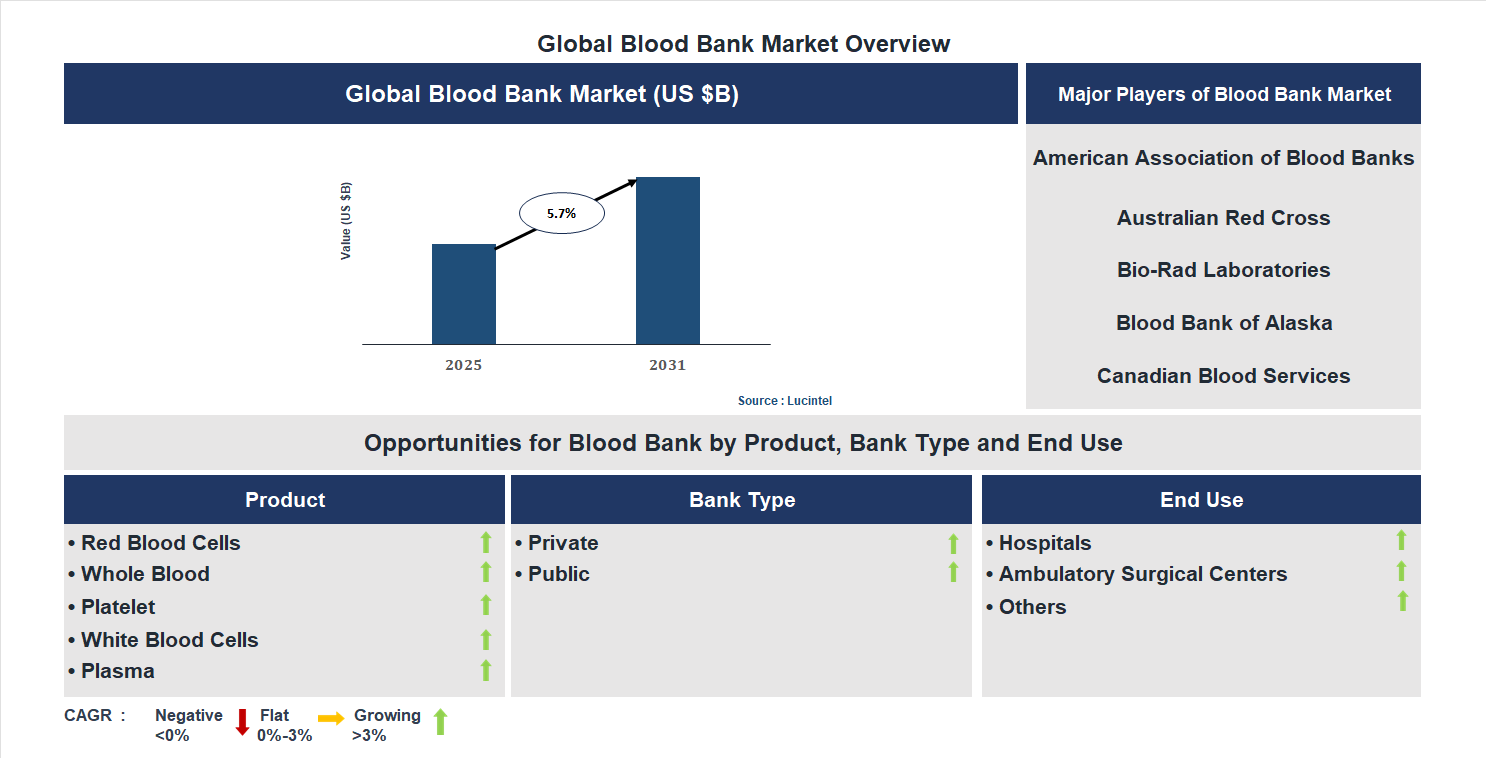
Key data points: The growth forecast = 5.7% annually for the next 7 years. Scroll below to get more insights. This market report covers trends, opportunities and forecasts in blood bank market to 2031 by product (red blood cells, whole blood, platelet, white blood cells, and plasma), bank type (private and public), end use (hospitals, ambulatory surgical centers, and others), and region (North America, Europe, Asia Pacific, and the Rest of the World)
We'll send your sample report shortly.
• Lucintel forecasts that, within the product category, red blood cell is expected to witness the highest growth over the forecast period.
• Within the end use category, hospital is expected to witness higher growth.
• In terms of region, APAC is expected to witness the highest growth over the forecast period. Gain valuable insights for your business decisions with our comprehensive 150+ page report. Sample figures with some insights are shown below.
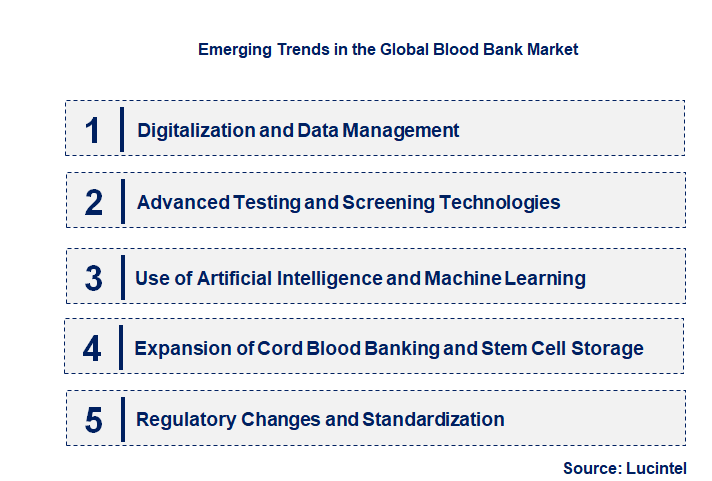
• Digitalization and Data Management: The integration of digital platforms and advanced data management systems is transforming blood bank operations. Electronic health records, inventory management software, and real-time tracking improve efficiency, reduce errors, and enhance traceability. These systems facilitate better donor management, streamline testing processes, and ensure compliance with regulatory standards. As data analytics become more sophisticated, blood banks can predict demand patterns, optimize inventory levels, and improve overall service delivery. This trend enhances operational efficiency and patient safety, making blood management more precise and reliable.
• Advanced Testing and Screening Technologies: Innovations in testing methods, such as nucleic acid testing (NAT) and pathogen reduction technologies, are significantly improving blood safety. These advanced techniques enable early detection of infectious agents, reducing the risk of transfusion-transmitted infections. The adoption of automated testing platforms increases throughput and accuracy, ensuring a safer blood supply. As these technologies become more cost-effective and widespread, they are expected to set new safety standards in blood banking. This trend directly impacts public health by minimizing transfusion-related risks and increasing consumer confidence.
• Use of Artificial Intelligence and Machine Learning: AI and machine learning are increasingly being employed to optimize various aspects of blood bank management. These technologies assist in donor recruitment by predicting donor eligibility and retention. They also enhance inventory management by forecasting demand and supply fluctuations. AI-driven algorithms improve compatibility testing and donor screening processes, reducing turnaround times. The adoption of these tools leads to more efficient operations, better resource allocation, and improved patient outcomes. As AI continues to evolve, its integration into blood banking is expected to become more sophisticated, further transforming the industry.
• Expansion of Cord Blood Banking and Stem Cell Storage: The growing recognition of stem cell therapies and regenerative medicine is driving demand for cord blood banking. Cord blood contains hematopoietic stem cells, which are valuable for treating various blood disorders and cancers. Advances in collection and preservation techniques have increased the viability and utility of stored cord blood. This trend is expanding the market beyond traditional blood products, creating new revenue streams and research opportunities. As awareness and acceptance grow, cord blood banking is poised to become a vital component of personalized medicine and therapeutic interventions.
• Regulatory Changes and Standardization: Evolving regulatory frameworks are shaping the blood bank landscape by emphasizing safety, quality, and traceability. Governments and international bodies are implementing stricter standards for blood collection, testing, and storage. These regulations promote uniformity across the industry, ensuring higher safety standards and consumer confidence. Compliance requirements are also encouraging the adoption of best practices and technological upgrades. While these changes may increase operational costs, they ultimately enhance the credibility and reliability of blood banks, fostering trust among healthcare providers and patients. In summary, these emerging trends are collectively reshaping the Blood Bank Market by enhancing safety, efficiency, and scope of services. Digital innovations, advanced testing, AI integration, expanded stem cell banking, and regulatory reforms are driving growth and improving patient outcomes. As these developments continue, the market is poised for significant transformation, aligning with the evolving needs of modern healthcare systems worldwide.
• Technological Advancements in Blood Screening: Implementation of nucleic acid testing (NAT) and pathogen reduction technologies has significantly improved blood safety by reducing the risk of transfusion-transmitted infections, boosting confidence among donors and recipients, and reducing the incidence of transfusion-related complications.
• Automation and Digitalization of Blood Banks: The adoption of automated blood processing and digital inventory management systems has increased efficiency, reduced human error, and enhanced traceability. These innovations streamline operations, reduce wastage, and improve response times during emergencies.
• Expansion of Blood Donation Campaigns: Increased government and NGO initiatives to promote voluntary blood donation have expanded the donor base, addressing shortages and ensuring a steady supply of blood products. These campaigns also raise awareness about the importance of regular donation and community participation.
• Regulatory and Policy Changes: Stricter regulations regarding blood safety, donor screening, and storage standards have been implemented globally. These policies ensure higher quality control, improve safety protocols, and foster trust among the public and healthcare providers.
• Development of Blood Substitutes and Synthetic Blood: Research into artificial blood products and blood substitutes aims to reduce dependence on donor blood, especially in emergency and military settings. These innovations could revolutionize the market by providing readily available, safe alternatives, especially in regions with blood shortages. In summary, these developments are transforming the Blood Bank Market by enhancing safety, efficiency, and supply stability. Technological innovations and regulatory improvements are fostering greater confidence and operational excellence, while efforts to expand donor participation and develop alternatives are addressing critical supply challenges. Collectively, these trends are positioning the market for sustainable growth and improved healthcare outcomes worldwide.
• Adoption of advanced blood storage and preservation technologies: Innovations such as pathogen reduction and cryopreservation extend blood shelf life and safety, reducing wastage and ensuring availability of high-quality blood products for diverse medical applications.
• Expansion of blood bank services in rural and underserved areas: Developing infrastructure and mobile blood collection units can bridge the gap in blood supply, improving access and reducing mortality rates in remote regions.
• Integration of digital and automation technologies: Implementing electronic donor records, automated testing, and inventory management enhances operational efficiency, reduces errors, and accelerates processing times, leading to better service delivery.
• Growing focus on personalized blood management and regenerative medicine: Advances in blood component customization and stem cell therapies open new avenues for treatment, positioning blood banks as pivotal players in innovative healthcare solutions. In summary, these growth opportunities are significantly impacting the Blood Bank Market by increasing efficiency, expanding access, and fostering innovation. They enable blood banks to better meet rising demand, improve safety standards, and adapt to evolving medical needs, ultimately strengthening the overall healthcare ecosystem.
• Technological Innovations: The integration of advanced testing methods, automated blood processing, and storage solutions enhances safety, reduces contamination risks, and improves efficiency. These innovations enable quicker turnaround times and better inventory management, which are crucial for meeting rising demand. As technology continues to evolve, blood banks can expand their capabilities, attract more donors, and ensure a steady supply of safe blood products, ultimately supporting better healthcare delivery.
• Increasing Healthcare Expenditure: Rising healthcare budgets worldwide facilitate investments in blood bank infrastructure, equipment, and staff training. This financial support enables blood banks to upgrade facilities, adopt new technologies, and expand their services. As healthcare spending grows, especially in developing regions, the capacity to meet increasing blood demand improves, fostering market growth and ensuring better patient care.
• Growing Prevalence of Chronic Diseases and Surgical Procedures: The rising incidence of chronic illnesses such as anemia, cancer, and cardiovascular diseases, along with an increase in surgical interventions, significantly boosts blood demand. This trend necessitates a robust blood supply system to meet the needs of diverse patient populations, encouraging investments in blood collection and storage facilities, and expanding market opportunities.
• Demographic Shifts and Population Growth: Population growth and aging demographics contribute to higher blood demand, especially among elderly populations requiring transfusions for various medical conditions. Increased awareness and donor recruitment campaigns further support blood collection efforts. These demographic trends drive continuous market expansion as healthcare systems strive to meet the growing need for blood products. The challenges in the blood bank market are:
• Blood Shortages and Supply-Demand Imbalance: Despite increasing demand, blood shortages remain a persistent issue due to donor shortages, logistical issues, and seasonal variations. Ensuring a consistent supply of safe blood is challenging, especially in remote or underdeveloped regions. This imbalance can compromise patient care, delay treatments, and increase reliance on blood substitutes or imported blood, which may have safety or cost implications.
• Regulatory and Safety Concerns: Stringent regulations governing blood collection, testing, and storage are essential for safety but can also hinder operational efficiency. Compliance costs and complex procedures may limit the ability of smaller blood banks to operate effectively. Additionally, ensuring the safety of blood products against infectious diseases remains a constant challenge, requiring ongoing technological and procedural updates.
• Logistical and Storage Challenges: Maintaining the integrity of blood products requires sophisticated cold chain logistics and storage facilities. Transportation delays, inadequate infrastructure, and storage capacity limitations can lead to wastage and spoilage. These logistical hurdles increase operational costs and complicate efforts to distribute blood efficiently, especially in rural or disaster-affected areas. In summary, the Blood Bank Market is driven by technological advancements, increased healthcare spending, demographic changes, and rising disease prevalence. However, it faces significant challenges such as supply shortages, regulatory complexities, and logistical issues. These factors collectively influence market growth, requiring strategic solutions to ensure a safe, reliable, and efficient blood supply system. Addressing these drivers and challenges will be crucial for sustainable development and improved healthcare outcomes in the blood banking sector.
• American Association of Blood Banks
• Australian Red Cross
• Bio-Rad Laboratories
• Blood Bank of Alaska
• Canadian Blood Services
• Fresenius Kabi
• Haemonetics
• Maco Pharma
• Ortho-Clinical
• Teruma
• Red Blood Cells
• Whole Blood
• Platelet
• White Blood Cells
• Plasma
• Private
• Public
• Hospitals
• Ambulatory Surgical Centers
• Others
• North America
• Europe
• Asia Pacific
• The Rest of the World
• United States: The US blood bank market has seen increased adoption of automation and advanced testing methods to improve safety and efficiency. Regulatory agencies have implemented stricter standards, encouraging innovation in pathogen reduction technologies. The rise of mobile blood collection units and digital management systems has enhanced donor engagement and inventory control. Additionally, partnerships between government and private organizations aim to address blood shortages and improve supply chain resilience. The US also focuses on expanding plasma collection, driven by demand for plasma-derived therapies, fostering growth in this segment.
• China: China’s blood bank market is rapidly expanding due to increasing healthcare infrastructure and rising awareness of blood safety. The government has launched initiatives to modernize blood collection and storage facilities, emphasizing voluntary donation programs. Technological integration, such as automated blood testing and data management systems, is gaining traction. The country is also investing in plasma fractionation and biopharmaceutical production, boosting the plasma-derived products market. Challenges remain in ensuring consistent blood safety standards across regions, but overall, China’s market growth is driven by a large population and expanding healthcare needs.
• Germany: Germany’s blood bank market is characterized by high safety standards and technological innovation. The country emphasizes quality control, with advanced pathogen detection and traceability systems in place. The adoption of automated blood processing and storage solutions has improved operational efficiency. Germany is also focusing on research collaborations to develop new blood products and improve existing therapies. The market benefits from a well-established healthcare infrastructure and strong regulatory framework, supporting steady growth. Additionally, Germany’s participation in European initiatives enhances cross-border blood supply and safety standards.
• India: India’s blood bank market is witnessing rapid growth due to increasing healthcare access and rising awareness about voluntary blood donation. The government has launched campaigns to promote safe donation practices and improve blood safety standards. Technological adoption, including automated testing and digital record-keeping, is increasing, although challenges such as infrastructure gaps and regional disparities persist. The demand for blood and plasma products is rising, driven by a growing population and expanding medical facilities. Private sector participation is also increasing, contributing to market expansion and innovation in blood banking services.
• Japan: Japan’s blood bank market is focused on technological advancements and safety enhancements. The country employs sophisticated testing methods and automated processing to ensure high-quality blood products. Japan is investing in research to develop novel blood therapies and improve storage techniques. The aging population increases demand for blood products, prompting innovations in blood management and donation systems. Regulatory standards are stringent, supporting high safety levels. The market also benefits from collaborations between academia and industry to develop new blood-related therapies, ensuring Japan remains a leader in blood banking technology.


• American Association of Blood Banks
• Australian Red Cross
• Bio-Rad Laboratories
• Blood Bank of Alaska
• Canadian Blood Services
• Fresenius Kabi
• Haemonetics
• Maco Pharma
• Ortho-Clinical
• Teruma Q5. Which blood bank market segment will be the largest in future? Answer: Lucintel forecasts that, within the product category, red blood cell is expected to witness the highest growth over the forecast period. Q6. In blood bank market, which region is expected to be the largest in next 5 years? Answer: In terms of region, APAC is expected to witness the highest growth over the forecast period. Q7. Do we receive customization in this report? Answer: Yes, Lucintel provides 10% customization without any additional cost.


Choose a license that fits your team. Instant PDF delivery.
Prices exclude taxes. Instant delivery. Custom licensing available on request.
Market Report · July 15, 2026
Market Report · May 18, 2026
Market Report · May 18, 2026
Trusted partner for strategic intelligence and business growth


Receive a complimentary market analysis tailored to your industry. Our analysts will identify key growth opportunities and competitive dynamics specific to your business.

Market size, growth rate, and key trend analysis for your specific sector.

Top competitor positioning and market share analysis.

Strategic recommendations backed by data-driven insights.
Get curated market intelligence and competitive moves straight to your inbox.
By subscribing, you agree to receive our monthly insights. Unsubscribe anytime.
Receive a complimentary market analysis tailored to your industry. Our analysts will identify key growth opportunities and competitive dynamics specific to your business.
Market size, growth rate, and key trend analysis for your specific sector.
Top competitor positioning and market share analysis.
Strategic recommendations backed by data-driven insights.
Get curated market intelligence, emerging trends, and competitive moves straight to your inbox each month.
By subscribing, you agree to receive our monthly insights. Unsubscribe anytime.
We'll send your sample report shortly.