
Market Report · July 22, 2026

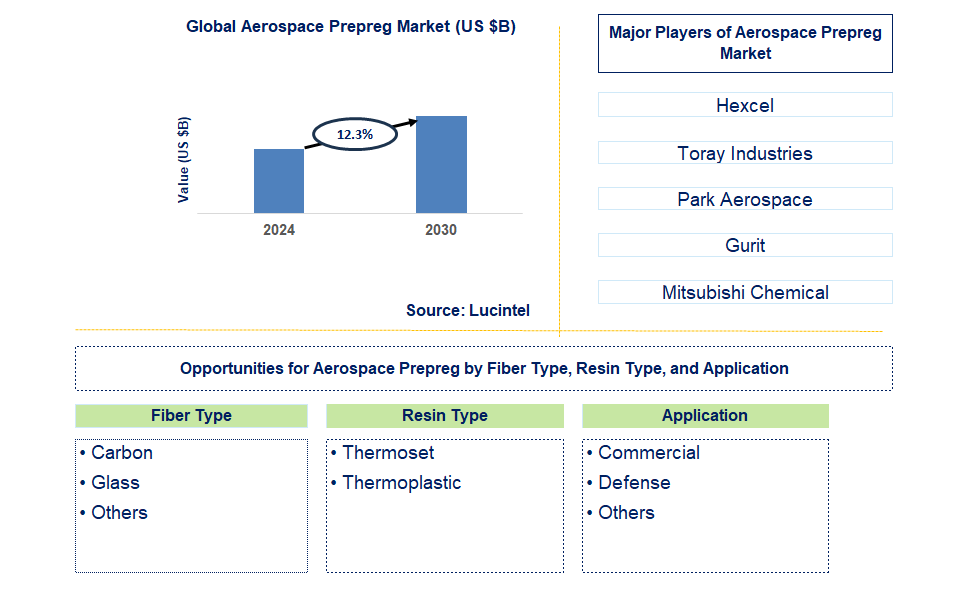
Key data points: The growth forecast = 12.3% annually next 6 years. Scroll below to get more insights. This market report covers trends, opportunities, and forecast in the global aerospace prepreg market to 2030 by fiber type (carbon, glass, and others), resin type (thermoset and thermoplastic), application (commercial, defense, and others), and region (North America, Europe, Asia Pacific, and the Rest of the World)
We'll send your sample report shortly.
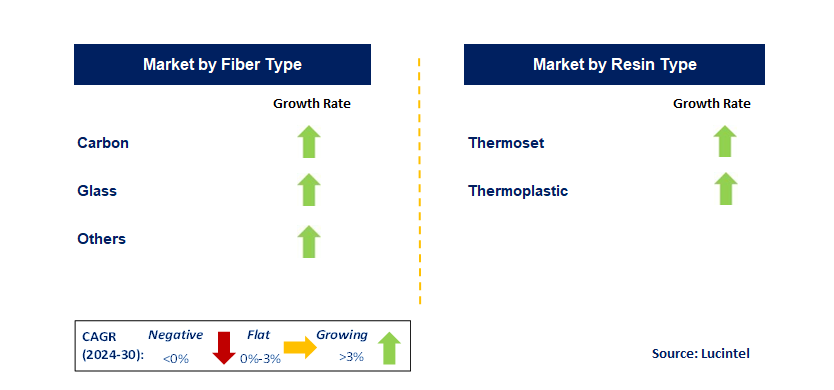
• Lucintel forecasts that, within the fiber type category, carbon is expected to witness a higher growth over the forecast period due to properties like high stiffness and remarkable strength-to-weight ratio of carbon fibers.
• Within the application category, commercial is expected to witness a higher growth due to increasing need for lightweight materials to save operating costs and increase fuel econom.
• In terms of regions, North America is expected to witness the highest growth over the forecast period. A more than 150-page report is developed to help in your business decisions.
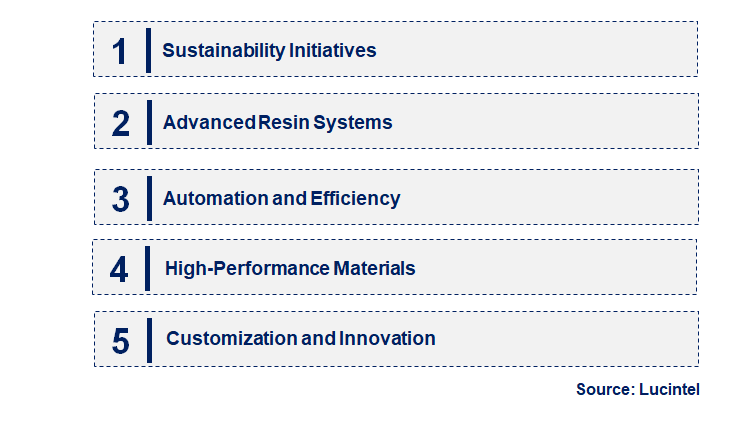
• Sustainability and Recycling: There is a growing emphasis on sustainability in the aerospace prepreg market, with increased efforts to develop recyclable and environmentally friendly materials. Companies are focusing on reducing waste and improving the life cycle of prepregs by implementing recycling processes and sustainable manufacturing practices. This trend is driven by regulatory pressures and a push towards greener aerospace solutions, impacting both cost and environmental impact.
• Advanced Manufacturing Techniques: Innovations in manufacturing technologies, such as automated production and digitalization, are transforming the aerospace prepreg market. Techniques like 3D weaving and advanced curing processes are improving the efficiency and precision of prepreg production. These advancements enable the creation of more complex and higher-performance components, contributing to reduced production times and costs.
• High-Performance Materials: The demand for high-performance prepregs is increasing, particularly those that can withstand extreme temperatures and environmental conditions. Developments in high-temperature and ultra-lightweight materials are being driven by the need for enhanced performance in next-generation aircraft and space exploration. These materials offer superior strength-to-weight ratios and durability, crucial for advanced aerospace applications.
• Increased Use in Commercial Aerospace: The commercial aerospace sector is expanding its use of prepregs due to their benefits in reducing weight and improving fuel efficiency. The shift towards more fuel-efficient aircraft and the rise of new commercial aircraft programs are driving demand for advanced prepregs. This trend is leading to more widespread adoption and integration of prepreg materials in commercial aerospace applications.
• Regional Market Growth: The aerospace prepreg market is experiencing regional growth, with significant developments in countries like China, India, and Germany. These regions are investing in local production capabilities and technology advancements to meet the increasing demand for prepregs. Regional growth is influenced by factors such as government support, defense contracts, and the expansion of aerospace manufacturing infrastructure. These emerging trends are reshaping the aerospace prepreg market by enhancing material performance, manufacturing efficiency, and environmental sustainability. As the industry continues to evolve, staying abreast of these trends will be crucial for companies to maintain competitiveness and meet the changing demands of the aerospace sector.
• Introduction of High-Temperature Prepregs: New high-temperature prepregs are being developed to meet the demands of next-generation aerospace applications. These materials offer enhanced performance in extreme conditions, such as high-speed aircraft and space exploration. The introduction of these prepregs improves the durability and efficiency of aerospace components, contributing to better performance and reliability.
• Advancements in Automated Manufacturing: Automated manufacturing technologies are being increasingly adopted in the production of aerospace prepregs. Automation, including robotics and advanced curing processes, is enhancing the precision and efficiency of prepreg production. This shift reduces production time, lowers costs, and improves the consistency and quality of the final products.
• Focus on Sustainable Materials: There is a growing focus on developing sustainable prepreg materials that reduce environmental impact. Innovations in recyclable and bio-based prepregs are being explored to address sustainability concerns. These materials aim to reduce waste and promote a circular economy in aerospace manufacturing, aligning with global environmental goals.
• Expansion of Regional Production Capabilities: The expansion of aerospace prepreg production facilities in key regions such as China and India is driving market growth. Investments in local manufacturing capabilities are addressing increasing demand and reducing supply chain dependencies. This regional growth supports the development of localized aerospace industries and enhances global market dynamics.
• Integration of Advanced Simulation Techniques: Advanced simulation and modeling techniques are being integrated into the prepreg development process. These technologies enable more accurate predictions of material performance and behavior, leading to optimized design and manufacturing processes. The integration of simulation tools enhances the development of high-performance prepregs and accelerates time-to-market. Recent developments in the aerospace prepreg market are driving innovation and growth across various dimensions, including material performance, manufacturing efficiency, and regional capabilities. These advancements are reshaping the industry and setting the stage for future progress in aerospace composite technologies.
• Commercial Aviation: The demand for lightweight and fuel-efficient aircraft is boosting opportunities in commercial aviation prepregs. High-performance prepregs are critical for manufacturing components like wings, fuselage, and interior parts, which contribute to overall fuel efficiency and reduced emissions. Innovations in prepreg materials enable the production of stronger, lighter, and more cost-effective parts, enhancing aircraft performance and reducing operational costs.
• Military Aerospace: In military aerospace, prepregs are crucial for developing advanced aircraft, drones, and missile systems. The need for high-strength, lightweight materials that can withstand extreme conditions drives growth in this sector. Advanced prepregs provide superior durability and performance, essential for the demanding environments of military applications. This focus on advanced materials supports the development of next-generation defense technologies and enhances mission effectiveness.
• Space Exploration: The space exploration sector presents significant opportunities for aerospace prepregs due to the need for materials that can endure harsh space conditions. Prepregs used in spacecraft and satellites must offer high thermal resistance and structural integrity. Innovations in high-temperature prepregs and composites are enabling more efficient and reliable space missions, supporting advancements in satellite technology, and deep-space exploration.
• Unmanned Aerial Vehicles (UAVs): The growing adoption of UAVs for both commercial and defense applications is creating a demand for specialized prepregs. UAVs require lightweight, high-strength materials to achieve optimal flight performance and durability. Prepregs offer the ideal solution for enhancing UAV structural components, improving performance and extending operational capabilities. This trend is driven by increased UAV use in surveillance, delivery services, and remote sensing.
• Rotorcraft: Rotorcraft, including helicopters and vertical takeoff and landing (VTOL) aircraft, benefit from advanced prepreg materials that enhance performance and safety. Prepregs are used in rotor blades, fuselage components, and structural reinforcements. The demand for improved fuel efficiency, reduced weight, and greater maneuverability in rotorcraft drives the growth of prepregs in this application, supporting advancements in both commercial and military rotorcraft. Strategic growth opportunities in the aerospace prepreg market are driven by applications across commercial aviation, military aerospace, space exploration, UAVs, and rotorcraft. These opportunities reflect the increasing demand for high-performance materials that enhance efficiency, durability, and innovation in aerospace technologies. As these applications evolve, they present valuable prospects for stakeholders to advance their technologies and capture market growth.
• Technological Advancements: Ongoing advancements in prepreg technology, such as improved resin formulations and automated manufacturing processes, are driving market growth. Innovations like high-temperature prepregs and advanced curing methods enhance the performance and efficiency of aerospace components. These technologies reduce production costs and increase material capabilities, supporting the development of next-generation aircraft and space vehicles.
• Demand for Lightweight Materials: The aerospace industry’s continuous push for fuel efficiency and reduced emissions fuels demand for lightweight prepreg materials. Prepregs offer superior strength-to-weight ratios, which are crucial for improving aircraft performance and operational efficiency. This driver is especially relevant for commercial aviation, where weight reduction directly impacts fuel consumption and environmental impact.
• Growth in Aerospace Production: The expansion of aerospace production, including new aircraft programs and increased space exploration activities, boosts the demand for prepregs. Rising production rates and the introduction of advanced aerospace technologies necessitate high-performance materials that can meet stringent requirements. This growth in production directly translates to higher demand for aerospace prepregs across various applications.
• Environmental and Regulatory Pressures: Increasing regulatory pressures for reducing carbon footprints and improving sustainability drive the development of eco-friendly prepregs. Regulations favoring reduced emissions and waste management promote the use of recyclable and bio-based prepreg materials. Compliance with these environmental standards is essential for market competitiveness and aligns with global sustainability goals.
• Defense and Space Investments: Significant investments in defense and space exploration projects contribute to the demand for advanced prepregs. Military and space applications require high-performance materials with exceptional durability and resistance to extreme conditions. These investments drive innovation and support the development of specialized prepregs tailored for demanding aerospace environments. Challenges in the aerospace prepreg market are:
• High Manufacturing Costs: The production of aerospace prepregs involves complex processes and high material costs, which can limit market accessibility. Advanced manufacturing techniques and high-quality materials contribute to elevated costs, impacting the affordability of prepregs for various applications. Addressing cost challenges while maintaining high performance is crucial for market expansion.
• Supply Chain Disruptions: The aerospace prepreg market faces challenges related to supply chain disruptions, including raw material shortages and logistical issues. Disruptions in the supply of key components can affect production schedules and increase lead times. Ensuring a stable and efficient supply chain is essential for meeting market demands and maintaining production continuity.
• Regulatory Compliance: Navigating the complex regulatory environment for aerospace materials presents a challenge. Compliance with international standards and regulations requires ongoing adjustments and investments. Ensuring that prepregs meet various certification requirements across different regions can be time-consuming and costly, impacting market entry and expansion efforts. The aerospace prepreg market is influenced by significant drivers such as technological advancements, demand for lightweight materials, growth in production, and regulatory pressures. However, challenges including high manufacturing costs, supply chain disruptions, and regulatory compliance must be addressed. Understanding these factors helps stakeholders navigate the market effectively and adapt to evolving industry dynamics.
• Hexcel
• Toray Industries
• Park Aerospace
• Gurit
• Mitsubishi Chemical
• C. A. Litzler
• Teijin
• Carbon
• Glass
• Others
• Thermoset
• Thermoplastic
• Commercial
• Defense
• Others
• North America
• Europe
• Asia Pacific
• The Rest of the World
• United States: In the United States, recent advancements in aerospace prepregs include significant investments in advanced manufacturing technologies and sustainable materials. Companies are focusing on developing high-temperature prepregs to meet the needs of next-generation aircraft and space exploration. Additionally, there is a strong push towards recycling and reusing prepreg materials to address environmental concerns. The U.S. market is also benefiting from government initiatives and defense contracts that drive innovation and increase demand for high-performance composites.
• China: China has seen rapid growth in its aerospace prepreg market, driven by increasing domestic production capabilities and government-backed aerospace programs. The country's emphasis on developing advanced prepreg technologies and expanding its supply chain infrastructure is reshaping the industry. Chinese companies are making strides in producing prepregs with better mechanical properties and cost efficiency. This growth is supported by both military and commercial aerospace applications, as well as significant investments in research and development.
• Germany: Germany remains a leader in aerospace prepreg technology, with a focus on high-quality composites and innovative manufacturing processes. Recent developments include advancements in automated production techniques and improved prepreg formulations for greater efficiency and performance. Germany’s aerospace sector is leveraging its strong engineering capabilities to drive progress in prepreg technology, supported by collaborations between industry leaders and research institutions. This focus enhances the country’s position as a key player in the global aerospace prepreg market.
• India: India aerospace prepreg market is evolving with increased investment in aerospace infrastructure and technology development. The country is focusing on developing indigenous prepreg materials to support its growing aerospace industry. Efforts are being made to enhance the performance and cost-effectiveness of prepregs, catering to both commercial and defense applications. India’s aerospace sector is also benefiting from collaborations with international companies, which are helping to integrate advanced prepreg technologies and expand market presence.
• Japan: Japan is advancing its aerospace prepreg market through innovations in lightweight and high-strength materials. Recent developments include progress in prepreg technology for both commercial and military aerospace applications. Japanese companies are investing in research to improve the thermal and mechanical properties of prepregs, and are increasingly focusing on environmental sustainability.


• Hexcel
• Toray Industries
• Park Aerospace
• Gurit
• Mitsubishi Chemical
• C. A. Litzler
• Teijin Q5. Which aerospace prepreg market segment will be the largest in future? Answer: Lucintel forecasts that carbon is expected to witness the higher growth over the forecast period. Q6. In aerospace prepreg market, which region is expected to be the largest in next 5 years? Answer: North America is expected to witness highest growth over the forecast period. Q.7 Do we receive customization in this report? Answer: Yes, Lucintel provides 10% customization without any additional cost.


Choose a license that fits your team. Instant PDF delivery.
Prices exclude taxes. Instant delivery. Custom licensing available on request.
Market Report · July 22, 2026
Market Report · July 7, 2026
Market Report · May 18, 2026
Trusted partner for strategic intelligence and business growth


Receive a complimentary market analysis tailored to your industry. Our analysts will identify key growth opportunities and competitive dynamics specific to your business.

Market size, growth rate, and key trend analysis for your specific sector.

Top competitor positioning and market share analysis.

Strategic recommendations backed by data-driven insights.
Get curated market intelligence and competitive moves straight to your inbox.
By subscribing, you agree to receive our monthly insights. Unsubscribe anytime.
Receive a complimentary market analysis tailored to your industry. Our analysts will identify key growth opportunities and competitive dynamics specific to your business.
Market size, growth rate, and key trend analysis for your specific sector.
Top competitor positioning and market share analysis.
Strategic recommendations backed by data-driven insights.
Get curated market intelligence, emerging trends, and competitive moves straight to your inbox each month.
By subscribing, you agree to receive our monthly insights. Unsubscribe anytime.
We'll send your sample report shortly.